-
E-mail
827425668@qq.com
-
Phone
15155513400
-
Address
No. 20 Renhe South Road, Tianchang City, Anhui Province
Anhui Tiankang (Group) Co., Ltd
Tiankang Diaphragm Pressure Transmitter Installation Process Guide
Date: 2025-06-25Read: 11
Tiankang diaphragm pressure transmitters are widely used in industrial measurement, especially for measuring the pressure of high viscosity, easily crystallized, corrosive and other media. The correct installation method can not only ensure the accuracy of measurement, but also extend the service life of the transmitter. The following are the detailed installation steps for diaphragm pressure transmitters.
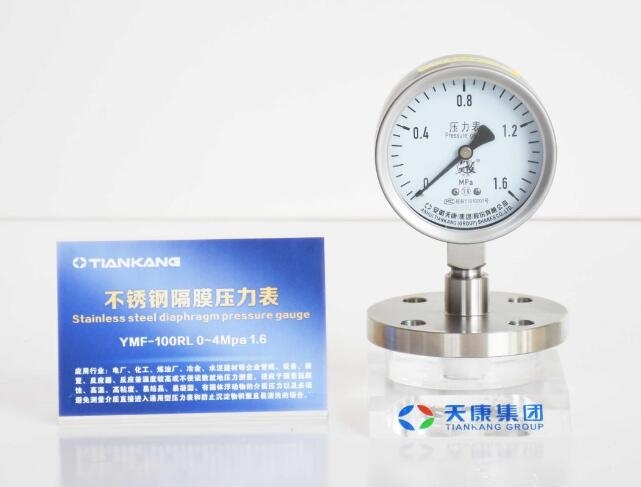
1. Preparation before installation
Before installation, it is necessary to carefully inspect the appearance of the transmitter to ensure that there is no damage, deformation, or other issues. At the same time, verify whether the model and specifications of the transmitter meet the measurement requirements, and prepare the necessary tools for installation, such as wrenches, screwdrivers, sealing gaskets, etc. In addition, it is necessary to determine the installation location, which should be easy to operate and maintain, and can avoid the influence of factors such as vibration, high temperature, and strong electromagnetic interference.
2. Install diaphragm sealing device
The diaphragm sealing device is a key component of the Tiankang diaphragm pressure transmitter, which can isolate the measuring medium from the sensitive elements of the transmitter. Firstly, connect the diaphragm sealing device to the measuring pipeline or container. Attention should be paid to sealing when connecting, and appropriate connection methods such as flange connection, threaded connection, etc. should be selected according to the material and pressure rating of the pipeline or container. In flange connection, it is necessary to ensure that the flange surface is flat and clean, install the sealing gasket, and tighten the bolts evenly to prevent leakage.
3. Install the transmitter body
Connect the transmitter body to the diaphragm sealing device through a capillary tube. Be careful during the connection process to avoid bending, squeezing, or stretching the capillary tube, which may affect the measurement accuracy. When installing the transmitter body, ensure that it is installed vertically and the connection with the diaphragm sealing device is well sealed. Special sealant or sealing tape can be used for sealing treatment.
4. Electrical connection
According to the wiring diagram of the transmitter, correctly connect the power and signal wires of the transmitter to the corresponding wiring terminals. When wiring, pay attention to the specifications and colors of the cables to ensure correct wiring. At the same time, protective measures should be taken for cables to avoid mechanical damage or environmental corrosion. For places with explosion-proof requirements, wiring must be strictly carried out in accordance with explosion-proof electrical installation specifications.
5. Debugging and verification
After installation, debug and calibrate the diaphragm pressure transmitter. Firstly, turn on the power and observe if the transmitter's display is normal. Then, use a standard pressure source to calibrate the transmitter, adjust the zero point and range of the transmitter, and ensure that the measured value matches the standard value. During the debugging and verification process, relevant data should be recorded for subsequent maintenance and management.
Through the above steps, the Tiankang diaphragm pressure transmitter can be correctly installed and put into use, providing accurate pressure measurement data for industrial production.