-
E-mail
2850687958@qq.com
-
Phone
13538469076
-
Address
Dongcheng Lixin Jinhui Industrial Park, Dongguan City, Guangdong Province
Guangdong Aisili Testing Instrument Co., Ltd
Exploring High and Low Temperature Test Chamber Manufacturers: Dual Assurance of Quality and Technology
Date: 2025-11-26Read: 8
In the fields of industrial production and scientific research, the environmental adaptability of products is a key indicator for measuring their quality and reliability. Whether it is electronic components, automotive parts, or aerospace equipment, performance stability needs to be verified under temperature conditions. And all of this is inseparable from a core device - the high and low temperature test chamber. As a laboratory that simulates temperature environments, the manufacturing process of high and low temperature test chambers directly determines the accuracy of test results and the service life of equipment. Today, we will enter a professional manufacturer of high and low temperature test chambers and uncover the technical code and quality assurance behind it.
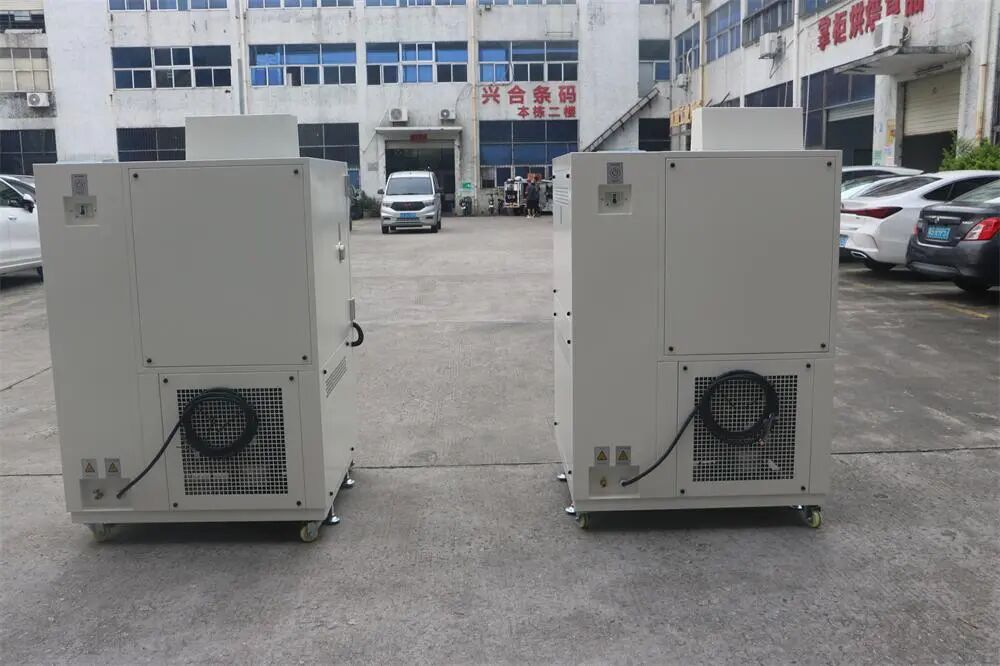
High and low temperature test chamber: the "temperature touchstone" for industrial production
The core function of the high and low temperature test chamber is to simulate the environment that the product may encounter in actual use by controlling the temperature range (usually from -70 ℃ to+150 ℃). For example, electronic chips need to verify their heat dissipation performance at high temperatures, automotive batteries need to test their starting ability at low temperatures, and aerospace materials need to withstand alternating impacts of high and low temperatures simultaneously. The function of this "temperature touchstone" makes high and low temperature test chambers equipment in product development, quality testing, and certification processes.
Creating a qualified high and low temperature test chamber is far from simply "cooling+heating". The technical threshold involves multiple fields: the energy efficiency ratio of refrigeration systems, the uniformity of heating elements, the accuracy of temperature sensors, the stability of control systems, and the sealing and insulation properties of box structures. Any omission in any link may lead to distortion of test data and even cause equipment failure. Therefore, professional manufacturing plants need to have interdisciplinary technical integration capabilities, from mechanical design to electronic control, from materials science to thermodynamic analysis, and every technology needs to be constantly improved.
Manufacturing process: full chain control from design to implementation
Entering the workshop of this high and low temperature test box manufacturing factory, the first thing that catches the eye is the precision machining equipment and neatly arranged components. The birth of a test box requires five major stages: design, processing, assembly, debugging, and testing, each of which contains strict standards and processes.
During the design phase, engineers need to customize the box size, temperature range, and control accuracy according to customer requirements. For example, test chambers designed for the aerospace industry need to have a wider temperature span and faster heating and cooling rates; For the testing of electronic components, emphasis should be placed on temperature uniformity and fluctuation control. The design drawings need to simulate the heat flow distribution through simulation software to ensure that there are no temperature blind spots during actual operation.
The processing stage is the foundation of quality. The box is made of high-strength steel plate and stainless steel material, which are laser cut and CNC bent to ensure stable structure and strong sealing. The internal insulation layer uses polyurethane foam technology with a thickness of over 100mm, effectively reducing heat loss. The refrigeration system uses international brand compressors and environmentally friendly refrigerants, balancing energy efficiency and environmental friendliness. The heating element is made of nickel chromium alloy wire, evenly distributed on the back of the box to avoid local overheating.
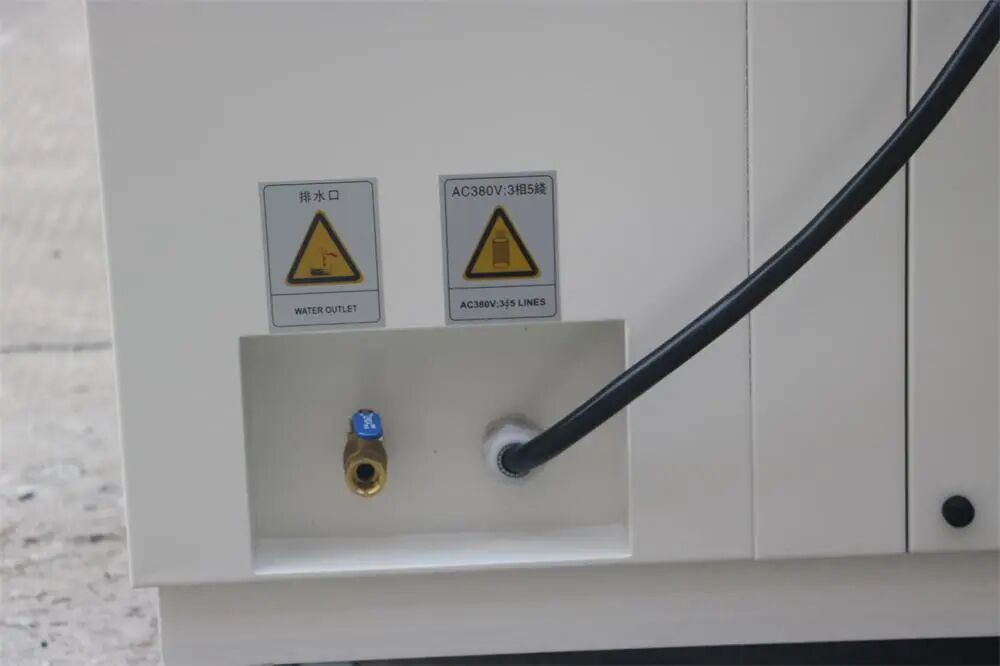
The assembly stage tests the spirit of craftsmanship. The refrigeration pipeline needs to be welded with argon arc to ensure no leakage risk; The temperature sensor needs to be accurately positioned with an error controlled within ± 0.1 ℃; The control system needs to integrate PLC and touch screen to achieve intelligent operation and data recording. Each test box needs to undergo a 72 hour continuous operation test before leaving the factory to verify its stability and reliability.
Technological Innovation: Breaking through the Limits of 'Temperature Control Technique'
In the manufacturing field, customers have increasingly stringent requirements for high and low temperature test chambers. For example, some new materials need to be tested within the range of -70 ℃ to+180 ℃, and the heating and cooling rate needs to reach 10 ℃/min or more. This poses a huge challenge to the technological innovation capability of manufacturing plants.
To break through the limits, this manufacturing plant has invested a lot of resources in developing a composite temperature control system. By combining liquid nitrogen refrigeration with electric heating technology, the test chamber can achieve cross temperature zone switching in a short period of time while maintaining temperature fluctuations below ± 0.5 ℃. In addition, for large test chambers (such as those with a capacity of 3 cubic meters or more), the factory adopts distributed control technology to ensure temperature uniformity inside the chamber is better than ± 2 ℃ through the collaborative work of multiple temperature control units. These technological breakthroughs have enabled its products to be widely applied in fields such as new energy, semiconductors, and rail transit.
In terms of energy conservation and environmental protection, manufacturing plants are also leading the way. The energy consumption problem of traditional test chambers has long plagued users, but the factory has reduced energy consumption by more than 30% by optimizing the refrigeration cycle design and adopting variable frequency compressors. At the same time, the box structure adopts modular design, which facilitates maintenance and upgrading, extends the service life of equipment, and further reduces resource waste.
Quality assurance: full protection from laboratory to production line
For users, high and low temperature test chambers are not only equipment, but also the "guardians" of product quality. Therefore, manufacturing plants need to establish a strict quality management system to control quality throughout the entire process, from raw material procurement to after-sales service.
In the raw material process, the factory establishes long-term cooperation with suppliers to ensure stable quality of key components such as compressors and sensors. Each batch of incoming materials must undergo dual verification of sampling and full inspection, and any non-conforming products must be resolutely returned. In the production process, the workshop implements 5S management, and employees need to hold certificates to work. Each process has detailed operating specifications and inspection standards. For example, after welding the refrigeration pipeline, X-ray inspection is required to ensure that there are no small cracks; The electrical system needs to pass high-voltage testing to prevent the risk of leakage.
Before leaving the factory, the test chamber needs to undergo an "extreme test": running for 24 hours each under high and low temperature conditions, while simulating abnormal working conditions such as frequent door opening and closing, power failure and restart, to verify its anti-interference ability. Only equipment that has passed all tests can be affixed with a certificate of conformity and delivered to the user.
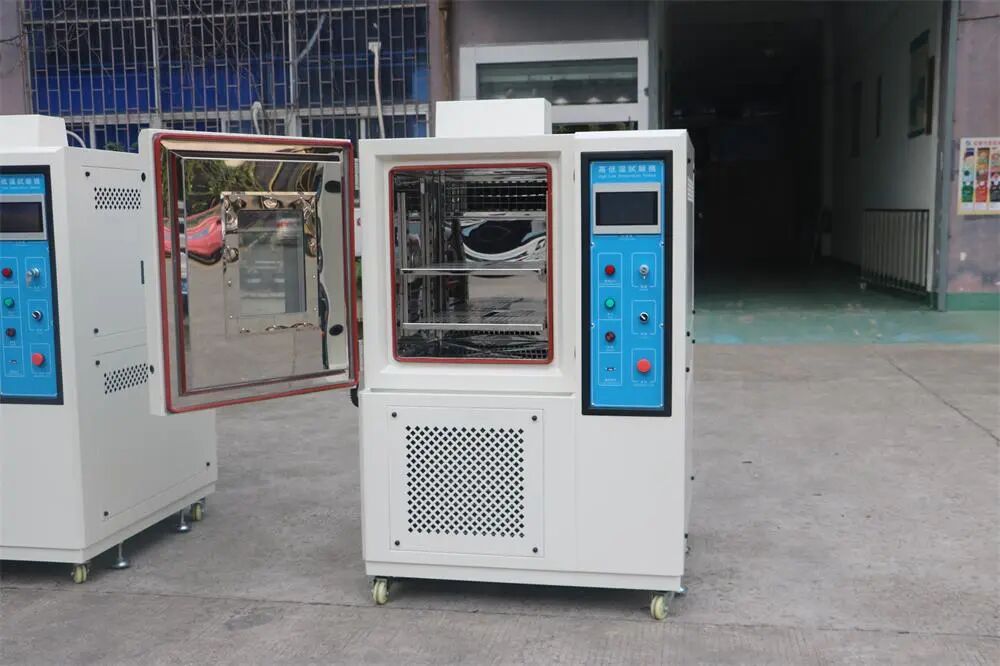
Application Case: Bridge from Laboratory to Industrialization
The value of high and low temperature test chambers is ultimately reflected in their practice of assisting industrial upgrading. For example, a new energy vehicle company commissioned the manufacturing plant to customize a test chamber ranging from -40 ℃ to+85 ℃ to verify the performance of battery packs at temperature. After half a year of testing, the company optimized the battery thermal management system, increasing the product's range by 10% and reducing the low-temperature start-up failure rate. This case is a vivid portrayal of how high and low temperature test chambers promote technological innovation.
In the semiconductor field, test chambers also play a crucial role. A certain chip manufacturer needs to verify the reliability of packaging materials within the range of -55 ℃ to+125 ℃. The test chamber designed by the manufacturing plant not only meets the temperature range standards, but also simulates temperature cycling impacts through high-precision control, helping manufacturers detect potential defects in advance and avoid large-scale production losses.
Conclusion: Using technology as a pen to write about the future of quality
The manufacturer of high and low temperature test chambers is the "behind the scenes hero" of industrial quality. From design drawings to landing equipment, from technological innovation to quality assurance, every step embodies a persistent pursuit of precision manufacturing. In the future industrial upgrading, high and low temperature test chambers will continue to play an important role, helping China's manufacturing move towards * * and intelligence. And this manufacturing plant will also use technology as a pen and quality as ink to write a wonderful chapter in China's equipment manufacturing.