-
E-mail
2131784470@qq.com
-
Phone
13538469076
-
Address
Jinhui Industrial Park, Dongcheng District, Dongguan City, Guangdong Province
Guangdong Aisili Testing Instrument Co., Ltd
What are the precautions for using PCT aging test chamber
Date: 2025-09-09Read: 53
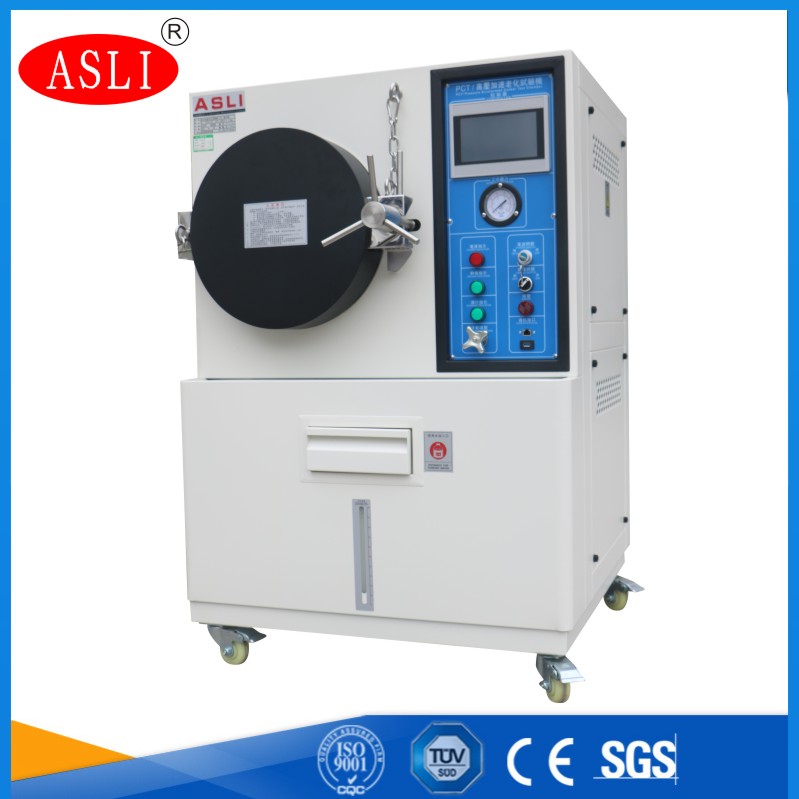
PCT aging test chamber, also known as high-voltage accelerated aging test chamber, is a testing equipment commonly used to simulate high temperature, high humidity, and high-pressure environments. It is widely used in industries such as electronics, electrical appliances, rubber, plastics, etc., aiming to test the performance changes and reliability of materials or products in specific harsh environments. When using the PCT aging test chamber, many precautions must be strictly followed to ensure the accuracy of the test results, the normal operation of the equipment, and the safety of the operators.

Preparation before the experiment
1. Equipment installation and environmental requirements
-The PCT aging test chamber should be installed in a stable, dry, and well ventilated location. The ground should be able to withstand the weight of the equipment and prevent the equipment from shaking during operation due to uneven ground, which may affect the test results.
-Sufficient space should be reserved around the test chamber, generally at least 50 centimeters away from walls and other obstacles, to facilitate equipment heat dissipation and later maintenance. At the same time, the ambient temperature should be maintained between 5-35, and the relative humidity should not exceed 85%. Excessive humidity may cause damage to the electrical components of the equipment.
2. Check the equipment components
-Before each use, carefully inspect all components of the test chamber. Firstly, check the sealing condition of the box door to ensure that it can be tightly closed, preventing air leakage during the testing process and affecting the stability of the testing environment. If aging or damage is found in the sealing strip, it should be replaced in a timely manner.
-Check the water level gauge to ensure that there is sufficient water in the water tank. Because water is an important medium for generating steam during the experiment, if the water level is too low, it may cause the steam generator to dry out and damage the equipment. At the same time, it is necessary to ensure clean water quality and avoid impurities in the water blocking pipelines or affecting steam quality.
-Check the electrical control system to ensure that all circuit connections are secure, free from looseness, damage, and other issues. If any wiring problems are found, they should be repaired or replaced in a timely manner to prevent equipment damage or even safety accidents caused by wiring faults.

3. Sample preparation and placement
-The test samples should be pre treated according to the test requirements, such as cleaning, drying, etc., to ensure that the test results are not affected by surface impurities or moisture on the samples. The size and quantity of the samples should comply with the regulations of the test chamber, and should not be too much or too large, so as not to affect the air circulation and temperature and humidity uniformity inside the chamber.
-When placing the sample on the sample rack inside the test chamber, pay attention to placing it evenly and avoid squeezing or blocking each other. At the same time, the placement of the samples should be adjusted reasonably according to their characteristics and testing requirements, ensuring that each sample can be fully exposed to the testing environment and undergo testing under the same conditions.
Operation during the experimental process
1. Parameter settings
-According to the test standards and sample requirements, accurately set the temperature, humidity, pressure and other parameters of the test chamber. The temperature setting range is generally from room temperature to around 132 degrees Celsius, and the humidity can be selected between 85% and 100% RH according to different test requirements. The pressure is usually in the range of 0.07MPa-0.27MPa. When setting parameters, it is necessary to strictly follow the operating procedures to ensure the accuracy and stability of the parameters.
-When setting the test time, it is necessary to fully consider the test purpose and sample characteristics. Too short a time may not achieve the expected experimental results, while too long a time will waste resources and increase experimental costs. The setting of the test time should be reasonably determined based on relevant standards or experience.
2. Operation monitoring
-During the operation of the test chamber, the operator must not leave the site and closely observe the operating status of the equipment. Pay attention to the changes in temperature, humidity, pressure, and other parameters to ensure that they fluctuate within the set range. If abnormal parameters are found, such as high or low temperature, unstable pressure, etc., immediate measures should be taken to adjust them.
-At the same time, pay attention to whether the operating sound of the equipment is normal. If there is abnormal noise, it may indicate that there is a component failure inside the equipment, such as motor damage, fan failure, etc. At this time, the equipment should be stopped in a timely manner for inspection and maintenance.
3. Safe operation
-During the experiment, it is strictly prohibited to open the box door at will. Due to the high temperature, high humidity, and high pressure environment inside the test chamber, recklessly opening the chamber door may cause high-temperature steam to spray out, causing serious injuries such as burns to the operators. If it is necessary to open the box door midway, the equipment must be stopped first. After the pressure and temperature inside the box have decreased to a safe range, the door opening operation should be carried out according to the correct operating procedures.
-Operators should wear necessary protective equipment, such as high-temperature protective gloves, goggles, etc. When operating equipment, it is necessary to strictly follow safety operating procedures to avoid safety accidents caused by improper operation.
Maintenance and upkeep after the experiment
1. Equipment cleaning
-After the experiment is completed, wait for the temperature and pressure inside the test chamber to return to normal temperature and pressure, open the chamber door, and take out the sample. Then use a clean damp cloth to wipe the inside of the test chamber, removing any water vapor, impurities, etc. inside the chamber. For some corners and areas that are difficult to clean, specialized cleaning tools can be used for cleaning.
-Regularly drain and clean the water tank to prevent the growth of bacteria and scale inside. When cleaning the water tank, an appropriate amount of cleaning agent can be used, but attention should be paid to rinsing thoroughly to avoid residual cleaning agent causing damage to the equipment.
2. Component inspection and maintenance
-Recheck the sealing strip of the box door, water level gauge, electrical circuit and other components. If there is any damage or aging, replace or repair them in a timely manner. Inspect the ventilation system of the equipment, clean the dust and debris from the ventilation openings, and ensure good ventilation.
-Regularly maintain the steam generator, check whether its heating elements are working properly, and whether the water level control device is sensitive. If necessary, internal cleaning and maintenance can be carried out according to the requirements of the equipment manual to extend the service life of the steam generator.
3. Equipment storage
-If the test chamber is not in use temporarily, the equipment should be placed in a dry and ventilated environment. Turn off the power of the device and drain the water in the tank to prevent long-term residual moisture from causing rust or damage to the device. At the same time, a dust cover can be used to cover the device to prevent dust from entering the interior.
In summary, the proper use and maintenance of PCT aging test chambers are crucial for ensuring the accuracy of test results, prolonging equipment lifespan, and ensuring the safety of operators. Only by strictly adhering to various usage precautions can the role of the test chamber be fully utilized, providing reliable support for product development and quality control.