-
E-mail
335086021@qq.com
-
Phone
15988121817
-
Address
New City Industrial Zone, Jianggan District, Hangzhou
Hangzhou Aolituo Instrument Technology Co., Ltd
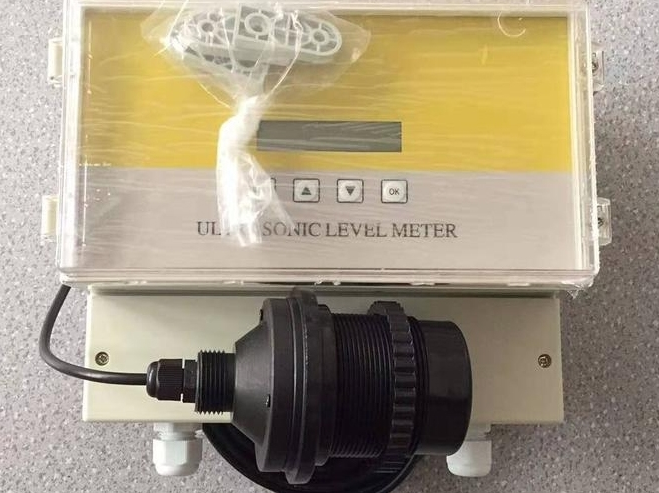
The requirements for using a split ultrasonic level gauge are as follows
Date: 2025-09-05Read: 7
The usage requirements for split ultrasonic level gauges are as follows:
1. Preparation and inspection before installation
Equipment integrity confirmation: Before use, carefully check whether the instrument body and sensors are intact and undamaged to ensure that there is no physical damage or deformation. Simultaneously verify the correctness of sensor installation to ensure that it is in the appropriate working position. In addition, it is necessary to confirm that the connection status between the instrument and external devices is normal, and that the power supply voltage meets the requirements of the equipment identification.
Environmental adaptability assessment: Based on the actual situation on site, determine whether the environmental parameters such as temperature and pressure are within the allowable range of the instrument. The protection level of this device is IP65, suitable for outdoor installation, but it still needs to avoid the impact of extremely harsh conditions. If used in extremely hot or cold environments, it is recommended to install anti high and low temperature devices to ensure stable performance.
2. Power and Cable Management
Safety power supply regulations: Before connecting the power supply, it is necessary to check whether the voltage matches the equipment requirements and ensure good grounding. Special cables should be used for connection, and it is strictly prohibited to replace cables with different models at will to prevent faults caused by insufficient voltage levels or excessive length. The cable joint should be securely plugged and unplugged, and the protective sleeve should be kept intact to avoid the risk of electrical leakage.
Lightning protection and protective measures: Although the equipment comes with lightning protection functions, it is still recommended to install dedicated lightning protection devices at the inlet and outlet ends when used in areas with multiple lightning strikes. The protective pipes of wires and cables also need to be sealed to prevent water from seeping in and causing short circuits and other problems.
3. Installation principles and location selection of split ultrasonic level gauge
Direction and distance control: The probe's shooting surface should be parallel to the liquid surface, and the installation height should meet the range requirements. At the same time, the distance between the highest liquid level and the probe must be greater than the blind spot range, and if necessary, the measurement range can be adjusted by adding an extension tube.
Avoid interference sources: The installation location should be far away from areas with severe liquid level fluctuations such as the inlet and outlet of the container to reduce the impact of waves on the measurement results. If the pool wall is smooth, the probe needs to be at least 0.3m away from the pool wall; If the pool wall is rough, a distance of at least 0.5m should be maintained. In addition, it is necessary to pay attention to the direction angle of the probing head waves to avoid the reflection of sound waves onto the protrusions or other obstacles on the pool wall.
4. Precautions for operation
Parameter setting and startup: Before starting the instrument, it is necessary to confirm that all parameter settings are correct, including units, measurement modes, etc. The built-in LCD display screen can be used to monitor liquid level data in real time, and the signal can be transmitted to the control system through analog output (such as 4-20mA) or digital communication interface. The device supports intelligent echo analysis technology, which can automatically identify effective signals without complex debugging.
Exception handling mechanism: In case of abnormal alarm or sound prompt during operation, the machine should be stopped immediately to investigate the cause. Common faults include poor power wiring, loose sensor connections, etc., which can be solved by checking the stability of the circuit. For problems that cannot be ruled out by oneself, the after-sales service team should be contacted in a timely manner to assist in handling them.
5. Maintenance and upkeep of split ultrasonic level gauge
Regular calibration and cleaning: To ensure measurement accuracy, it is recommended to perform regular calibration operations on the equipment. During daily maintenance, a clean soft cloth can be used to wipe the surface of the probe to avoid oil stains or chemical substances from adhering and affecting its performance. At the same time, check whether the insulation layer of the cable is damaged to ensure long-term reliability.
Enhanced protective measures: When used in corrosive environments such as strong acids and alkalis, anti-corrosion probes should be selected and sealed for protection. For situations with high levels of dust, filtering devices can be appropriately added to prevent particulate matter from entering the interior of the equipment.