-
E-mail
liqindi@hzsszn.com
-
Phone
13454673196
-
Address
4th Floor, Building 1, Fuhua Building, Zijin Science and Technology Innovation Park, Hangzhou, Zhejiang
Hangzhou Double Color Intelligent Testing Instrument Co., Ltd
Calibration and traceability system for comprehensive testing system of plant illumination, light, color, and electricity
Date: 2025-11-20Read: 8
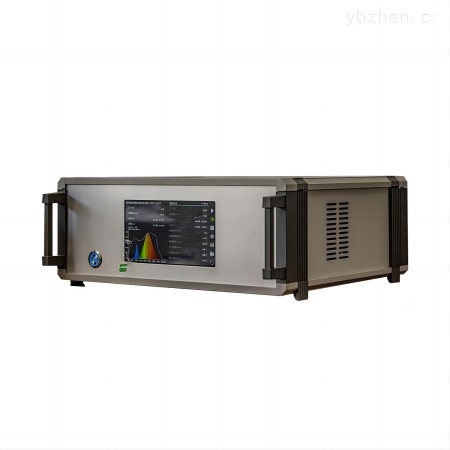
Against the backdrop of rapid development in precision agriculture and plant factories,Comprehensive testing system for plant illumination, light, color, and electricityIt has become a core tool for evaluating the performance of LED plant lights and optimizing light environment regulation. However, the reliability of its measurement data highly depends on a scientific calibration and value traceability system. If there is a lack of effective traceability, key parameters such as PPFD (photosynthetic photon flux density), spectral distribution, and color temperature will lose comparability, directly affecting scientific research conclusions or production decisions.
This type of testing system typically integrates a spectrometer, cosine correction probe, and data processing unit for measuring photosynthetically active radiation (PAR) in the 400-700 nm wavelength range. Its calibration needs to be carried out in a hierarchical manner:
Spectral response calibration: Use standard light sources (such as tungsten strip lamps and deuterium lamps) to calibrate the wavelength and irradiance of the spectrometer, ensuring linear response of each wavelength channel;
Cosine response calibration: By rotating the incident angle test probe to measure its ability to receive light at different angles, errors deviating from the ideal cosine characteristic are corrected;
PPFD specific calibration: Using standard quantum sensors certified by national metrology institutes (such as NIM in China and NIST in the United States) as transmission standards, comparative calibration is performed under simulated sunlight or typical LED spectra.
The traceability chain of measurement values must be clear and traceable. The ideal path is: equipment → enterprise standard → provincial metrology institute → national benchmark (such as NIM's spectral radiance benchmark device). Domestic institutions with qualifications for calibrating plant light parameters include the Chinese Academy of Metrology and the Shanghai Institute of Metrology and Testing Technology. Some high-end equipment manufacturers have also established internal secondary standard laboratories.
It is worth noting that plant lighting testing is different from general lighting, as its weight function is based on the chlorophyll a/b absorption curve (rather than the eye V (λ) curve), and therefore cannot be directly calibrated using a regular illuminance meter calibration certificate. The calibration report should clearly indicate 'applicable for PAR/PPFD measurement' and include the Spectral Mismatch Correction Factor.
In addition, it is recommended that users perform periodic calibration every 6-12 months and conduct on-site verification (such as using portable standard lamps) before each important experiment. Environmental temperature, humidity, and probe cleanliness can also affect measurement stability and need to be included in the daily quality control process.
In short, only by building a technical system with clear standards, reliable traceability, and standardized calibration,Comprehensive testing system for plant illumination, light, color, and electricityOnly then can it truly become a scientific bridge connecting light environment design and crop growth response, supporting the development of modern agriculture towards data-driven, precise and controllable direction.