-
E-mail
ztwang@max-ray.net
-
Phone
13033093091
-
Address
Room 713 and 711, Building A3, Zhong'an Chuanggu, No. 900 Wangjiang West Road, High tech Zone, Hefei City
Hefei Mairui Optoelectronic Technology Co., Ltd
Precautions for using fiber laser light sources
Date: 2025-09-26Read: 14
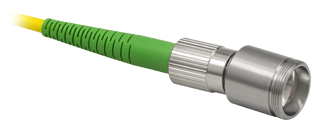
Single mode optical fibers (Hi-1060, PM980, G652D or PM1550, etc.) can withstand a theoretical power of about 200mW continuous light when the end face is clean. Therefore, the output fiber joint of lasers with output power below 200mW can be connected to other single-mode optical fiber devices through a movable adapter (fiber flange).
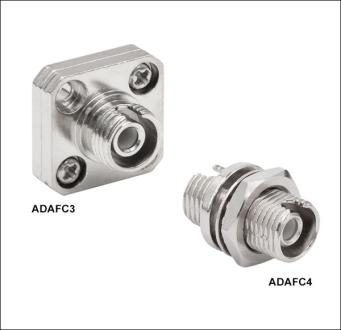
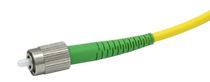
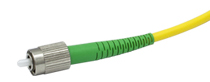
But when the contaminated fiber optic connector end face is connected to the laser, even if the laser power is very low, the fiber optic connector end face is easily burned. Therefore, before connecting the fiber optic connector, a specialized fiber optic cleaning tool should be used to clean the fiber optic connector end facethoroughlyClean and carefully observe with the fiber end face detector to confirmcompletelyConnect through fiber optic flange after being free of dust and pollution;
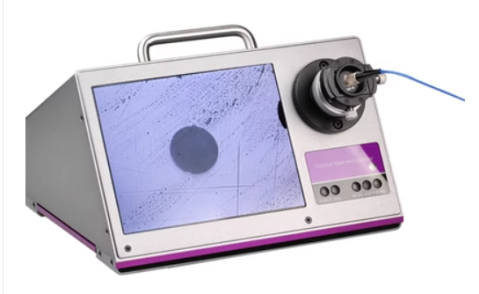
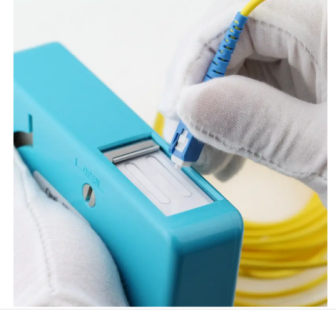
When cleaning, inspecting, and connecting the fiber optic connector end face, it is necessary to ensure that the laser is in a stopped output state and must not be operated with light. After use and disconnection from other fiber optic connectors, the fiber optic connector must be covered with a dust cap.
For lasers with an output power of 200mW or more, the output tail fiber may also come with an FC/APC connector. However, we recommend that this connector is only used by users for output power detection (connecting to an optical power meter), or for connecting fiber collimators with FC interfaces to collimate the laser and output it to free space for use. We do not recommend using flanges to directly connect it to other fiber or device tail fiber connectors of users, as there is a risk of damaging the fiber connector and the laser itself. If it is necessary to connect with other optical fibers, it is recommended to use a fiber fusion splicer for hot melting, and it should be noted that the types of optical fibers connected should match each other.