-
E-mail
2444789544@qq.com
-
Phone
18971683772
-
Address
Jinghe Road and Hechang Industrial Park, Dongxihu District, Wuhan City
Hubei Gaotian Experimental Equipment Co., Ltd
The principle of using the cold and hot shock test chamber is revealed: ensuring the safety of the test and equipment
Date: 2025-12-02Read: 96
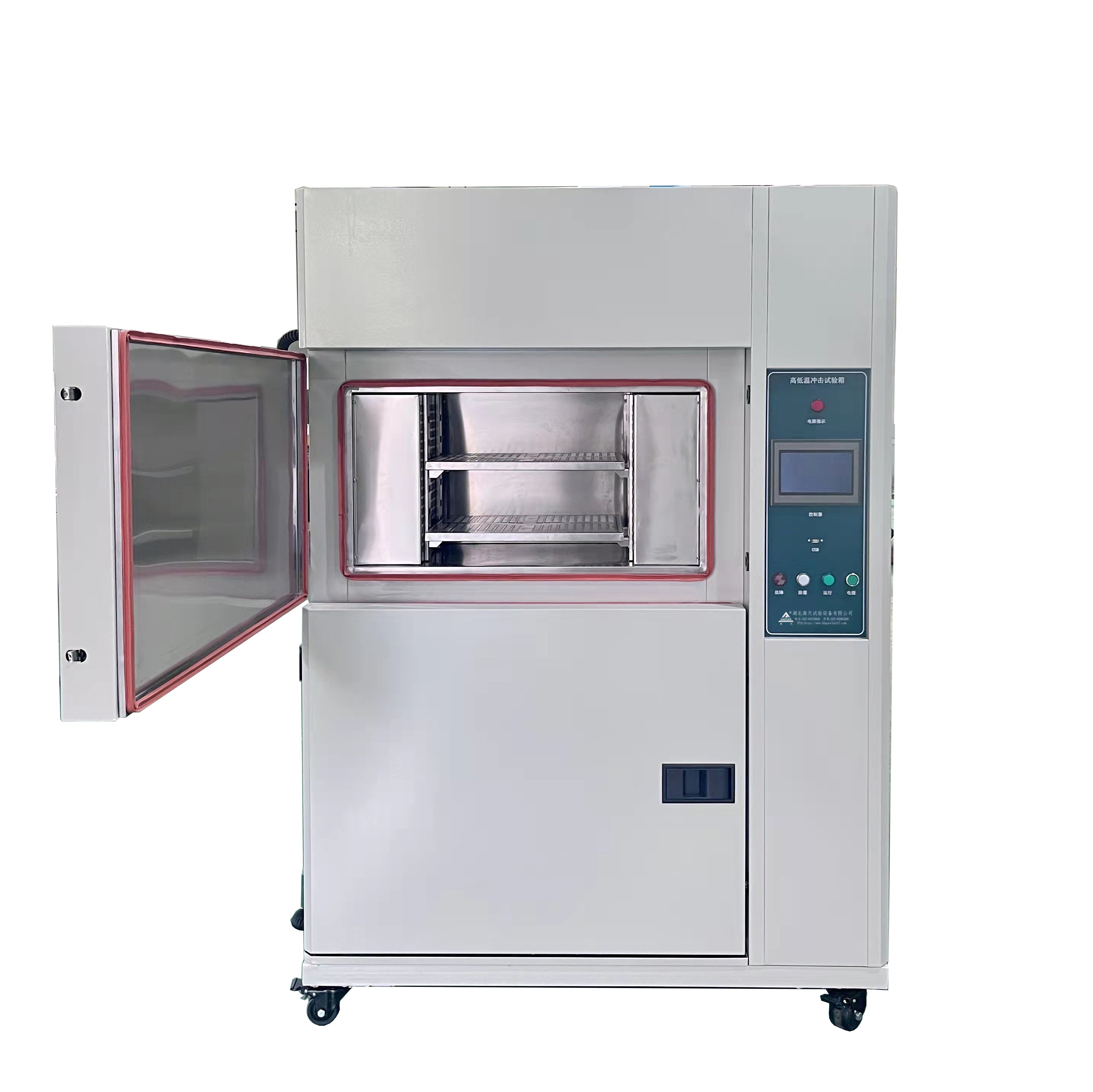
The cold and hot shock test chamber is used to simulate the tolerance of products under rapid switching in different temperature environments. To ensure accurate test results, safe equipment operation, and operator safety, the following principles must be followed:
1. Safety operation principles
1. Personnel qualifications and training: Personnel operating the thermal shock test chamber must undergo professional training, familiarize themselves with the equipment's operating procedures, performance characteristics, and potential risks. Only personnel with the corresponding qualifications can carry out the operation to avoid safety accidents caused by misoperation. For example, newly hired employees need to receive systematic equipment operation training and pass the assessment before they can operate the test chamber independently.
2. Protective measures: Operators should be equipped with necessary protective equipment, such as high-temperature gloves, protective goggles, etc. During the operation of the test chamber, especially at the moment of temperature transition, there may be high or low temperature gas overflow. Protective equipment can effectively protect operators from injury. When taking and storing high-temperature samples, it is necessary to wear high-temperature gloves to prevent burns.
3. Emergency situation handling: The test chamber should be equipped with a clear emergency stop button, and the operator must be familiar with the emergency situation handling process. Once an abnormality occurs, such as equipment smoking, catching fire, abnormal noise, etc., the emergency stop button should be immediately pressed to cut off the power supply of the equipment, and the superior and relevant maintenance personnel should be reported in a timely manner. Blindly continuing the operation is strictly prohibited.
2. Principle of environmental adaptation
1. Installation environment requirements: The cold and hot shock test chamber should be installed in a suitable environment, with an ambient temperature of 15 ℃ -35 ℃ and a relative humidity of 30% -85% RH (non condensing). Excessive ambient temperature can affect equipment heat dissipation and increase the burden on the refrigeration system; Excessive humidity may cause damage to the internal electrical components of the equipment due to moisture. At the same time, equipment should be avoided from being installed in environments with direct sunlight, strong magnetic field interference, or dusty or corrosive gases.
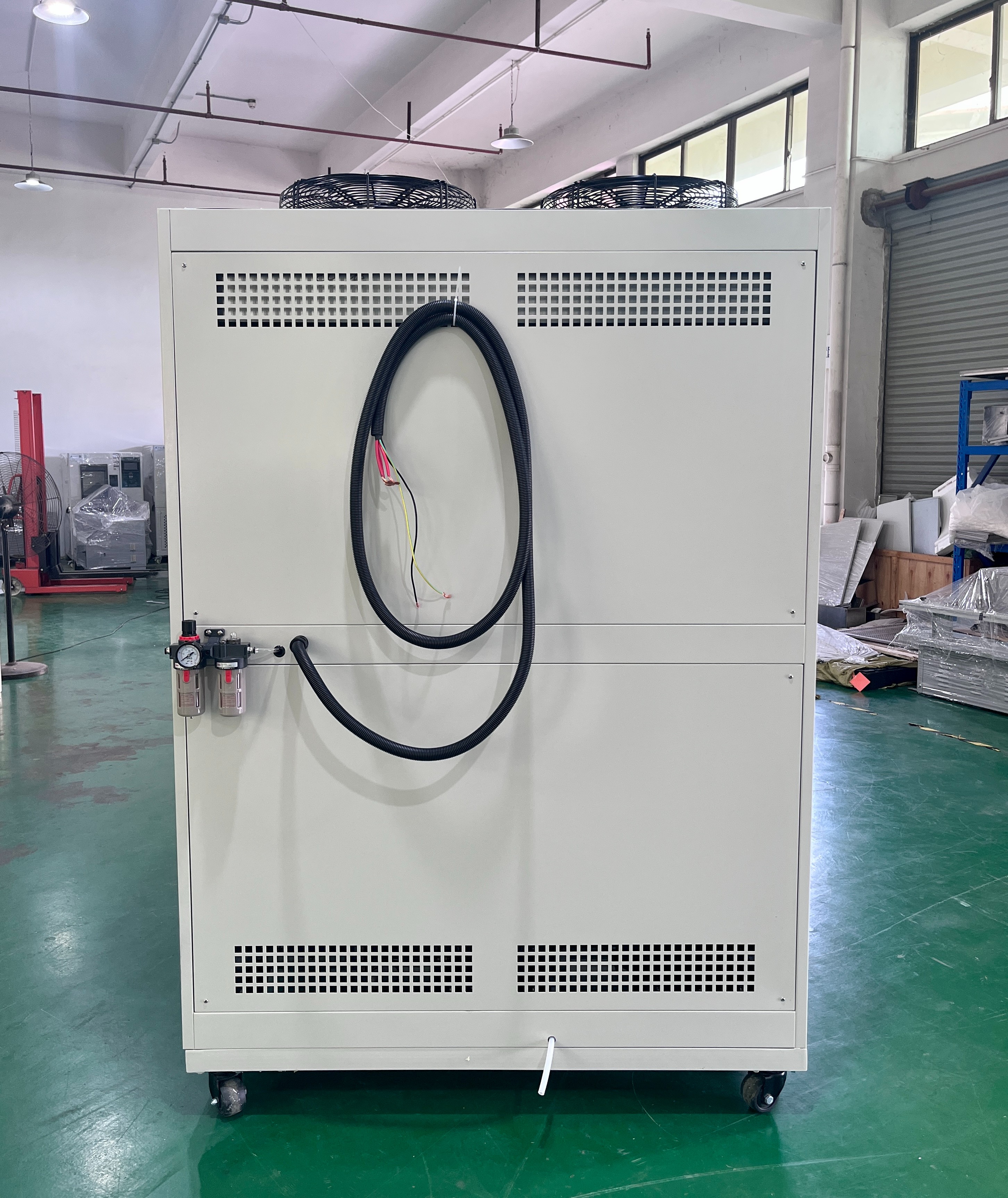
2. Space layout: Sufficient space should be reserved around the test chamber. Generally, at least 1-1.5 meters of space should be left around the equipment to facilitate installation, debugging, maintenance, ventilation, and heat dissipation. A certain amount of space should also be left at the top for easy maintenance. A reasonable spatial layout is helpful for the normal operation of equipment and facilitates the operation and maintenance of personnel.
3. Equipment maintenance principles
1. Regular inspection: Develop a detailed equipment inspection plan and conduct comprehensive inspections of the cold and hot shock test chamber on a regular basis. The inspection includes key components such as refrigeration system, heating system, control system, sensors, etc. Check whether there is any leakage in the refrigeration pipeline, whether the heating wire is working properly, whether the control system parameters are accurate, and whether the sensor readings are reliable. For example, conduct a visual inspection of the refrigeration system once a month to check for oil stains (signs of refrigerant leakage).
2. Cleaning and maintenance: Keep the inside and outside of the equipment clean, regularly clean the debris, dust, and condensate inside the test chamber. The exterior can be wiped with a clean soft cloth, while the interior needs to be cleaned regularly according to the test results. At the same time, lubricants should be regularly added to the moving parts of the equipment, such as fans and motors, to ensure smooth operation and extend the service life of the equipment.
3. Component replacement and calibration: Timely replace worn or aged components based on equipment usage and component lifespan. Regularly calibrate measuring components such as temperature sensors and humidity sensors to ensure the accuracy of measurement data. For example, calibrate the temperature sensor once a year to ensure the accuracy of temperature control in the test chamber.

4. Principles of test specifications
1. Preparation of test samples: The test samples should meet the test requirements and be cleaned to remove surface impurities such as oil and dust before being placed in the test chamber. At the same time, it is necessary to ensure that the installation of the test samples is firm and avoid affecting the test results or damaging the equipment due to shaking or displacement during temperature shock. For large or irregularly shaped samples, suitable fixtures should be used for fixation.
2. Test parameter setting: Strictly follow the test requirements and equipment operating procedures to set the test parameters, including high and low temperature setting values, temperature conversion time, test cycle times, etc. Improper parameter settings may lead to inaccurate test results and even damage to test samples or equipment. After setting the parameters, it is necessary to double check and confirm to ensure accuracy.
3. Test records and reports: During the test process, detailed records of various test data should be kept, including the start and end time of the test, temperature change curve, test sample status, etc. After the experiment is completed, generate a standardized test report based on the recorded data, providing reliable basis for product quality evaluation and improvement. Test records and reports should be properly preserved for future reference and traceability.
In summary, the use of the cold and hot shock test chamber must strictly follow the four principles of safe operation, environmental adaptation, equipment maintenance, and test specifications. This not only concerns the accuracy and reliability of test results, stable operation and long service life of equipment, but also closely related to the personal safety of operators. Only by implementing these principles can the role of the test chamber be fully utilized to assist product development and quality control.