-
E-mail
info@jscmkj.com.cn
-
Phone
18112375870
-
Address
No. 19 Hefeng Road, Xinwu District, Wuxi City, Jiangsu Province
Jiangsu Chenming Technology Co., Ltd
How to install an outdoor temperature and humidity transmitter?
Date: 2025-12-01Read: 12
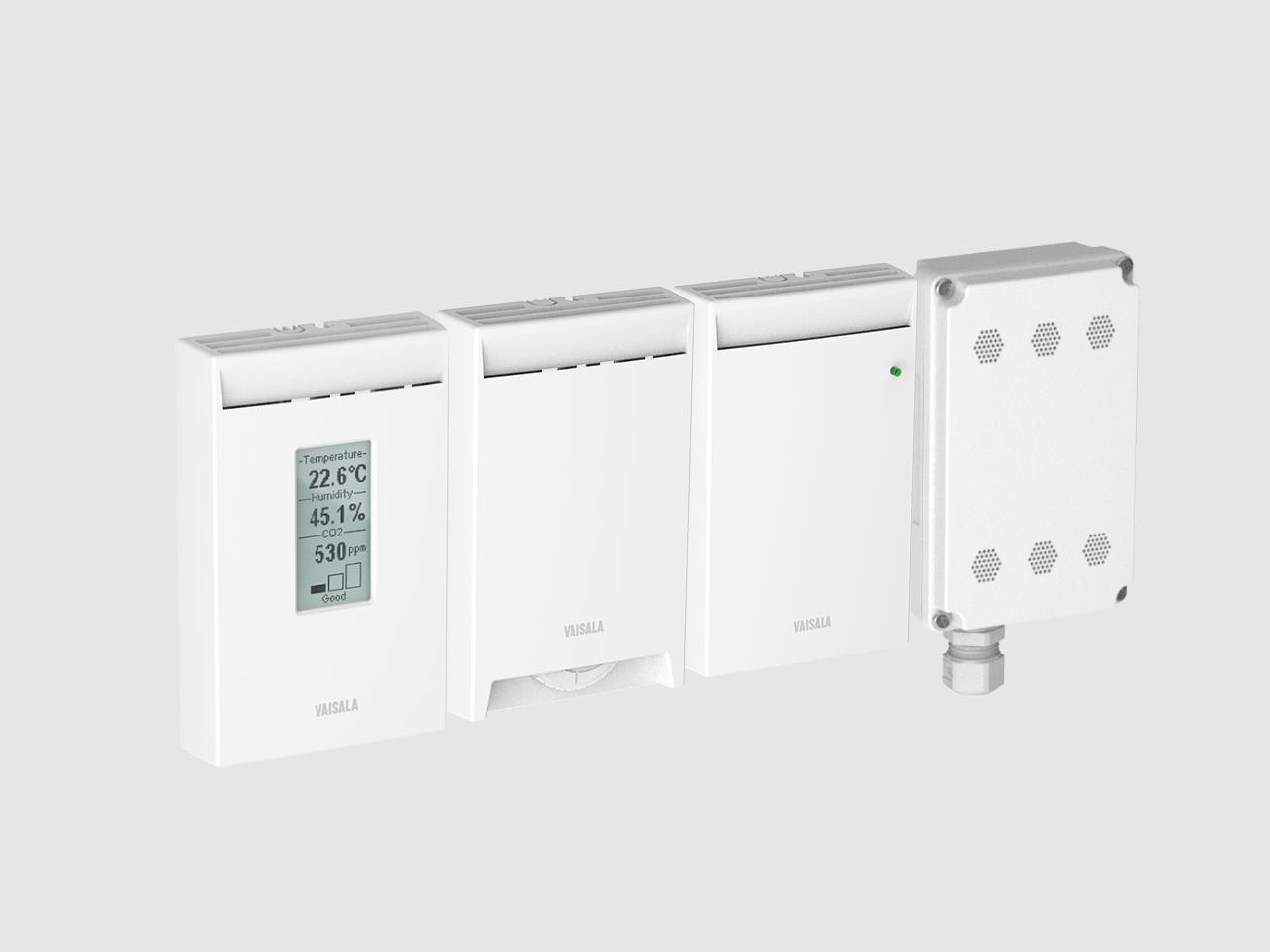
Proper installation of outdoor sensors is crucial for optimizing the energy efficiency and indoor air quality of buildings. When your HVAC system obtains reliable data under outdoor conditions, it can more accurately adjust ventilation rates and indoor climate, thereby improving the comfort and work efficiency of personnel inside the building. These installation tips will help you provide fresh and healthy air to people inside buildings in an energy-efficient manner.
Why is proper sensor installation important
Using inappropriate sensors, installing unprotected sensors, or selecting the wrong location are common reasons for inaccurate outdoor measurements. High quality outdoor sensors can provide accurate measurement values for a long time, provided they are installed correctly in the appropriate location.
It is very important to use outdoor dedicated sensors to measure the outdoor air conditions, rather than attempting to measure from the entrance pipes inside the building. The requirements for outdoor sensors vary, so please refer to the manufacturer's instructions to determine if your sensor requires ventilation, shading, or protection; Sensors may also require mechanical suction to maintain airflow rate.
Where should outdoor sensors be installed?
The main challenges faced by outdoor measurements are the heat generated by solar radiation and weather interference. The sensor needs to be shielded with a reflective radiation shield. The radiation shield can also serve as a rain cover, ensuring the correct measurement of outdoor ambient temperature and relative humidity. The correct top of the radiation shield is white, and the surface below the radiation shield is black. A dirty protective cover will absorb more heat, so it must be cleaned regularly. It should also be ensured that the sensor is installed in a place where the airflow is not obstructed, and it should be installed as far away as possible on poles in buildings or roofs. Ensure that there are no exhaust pipes, doors, or windows nearby.
Ensure that outdoor sensors can withstand harsh weather conditions, including strong winds and harsh temperatures. For industrial applications, it is recommended to choose sensors with heating probes to prevent condensation. For outdoor CO2 measurement, areas with restricted air circulation should be avoided. A typical example is that CO2 sensors should not be installed in or near parking lots, as the exhaust emissions from vehicles can cause CO2 readings to be higher. It should be installed in an open position with sufficient air circulation and close to the intake duct.
Data quality is crucial for on-demand ventilation control:
Outdoor CO2 sensors can optimize the air exchange rate in demand controlled ventilation (DCV) systems by calculating the difference between indoor and outdoor CO2 concentrations, thereby helping to save energy. High quality sensors with good accuracy and long-term stability should be selected; These requirements are more important than indoor sensors because the measurement range of outdoor CO2 is narrower. The inaccurate or drifting readings of sensors will have a significant impact on the exchange rate of the entire DCV system. It is also necessary to ensure that the correct air pressure compensation is set in the device.
Why Vaisala's meteorological measurement experience is important for your indoor air quality:
Vaisala's outdoor HVAC sensors are developed based on our decades of accumulated experience in meteorological and environmental measurement, providing reliable performance in any harsh environmental conditions. We understand how solar radiation, airflow patterns, and environmental pollutants affect the accuracy of sensors, and have applied shielding and layout principles used in professional weather stations, such as reflective radiation shielding and unobstructed airflow, in the development of our products.
This means that when you choose Vaisala outdoor sensors, regardless of climate or season, the products you choose can provide reliable measurements, enabling more accurate ventilation control and healthier indoor environments.
8 suggestions for installing outdoor sensors:
1. Always use outdoor specialized sensors that can withstand harsh weather conditions.
2. Refer to the manufacturer's installation instructions.
3. Use a radiation shield to protect the sensor from the effects of solar radiation and weather.
4. Regularly clean the radiation shield.
5. Install the sensor on a pole or roof away from people or buildings.
6. Do not install sensors near exhaust pipes, doors, or windows.
7. Ensure smooth airflow around the sensor.
If using sensors to measure CO2 in the DCV system, high-quality products should be selected and the pressure compensation settings checked.