-
E-mail
info@jscmkj.com.cn
-
Phone
18112375870
-
Address
No. 19 Hefeng Road, Xinwu District, Wuxi City, Jiangsu Province
Jiangsu Chenming Technology Co., Ltd
The sources and compensation methods of accuracy errors in temperature and humidity sensors
Date: 2025-12-13Read: 11
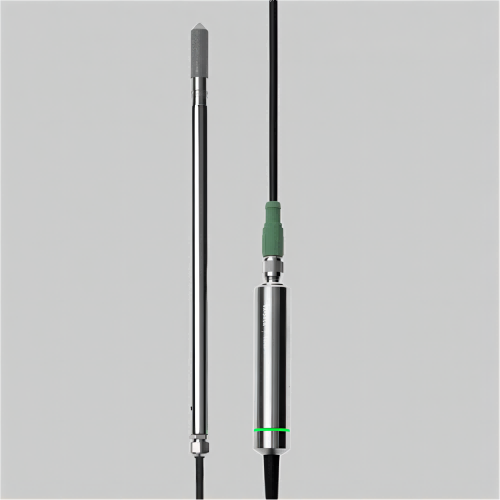
Although modernTemperature and humidity sensorThe nominal accuracy can reach ± 1.8% RH, but in practical applications, various factors can cause measurement deviations that require targeted compensation.
The main sources of error include:
Temperature cross sensitivity: The capacitance value of humidity sensitive components is affected by temperature, especially in low temperature and high humidity environments where errors are amplified;
Long term drift: The sensitivity of the polymer moisture sensitive film decreases over time as it ages;
Pollution and chemical erosion: Volatile organic compounds (VOCs) and acidic gases can alter the characteristics of the film layer;
Improper installation location: near heating elements or ventilation blind spots causing distortion of local microenvironment;
Condensation water adhesion: Instantaneous condensation can cause a sudden increase in readings or even long-term damage.
Compensation method:
Software algorithm compensation: Nonlinear correction of humidity values using built-in temperature data (manufacturers usually provide compensation formulas);
Multi point calibration: Conduct on-site calibration at key points such as 25 ° C/50% RH and 10 ° C/80% RH, and construct a table based compensation curve;
Hardware protection: Install hydrophobic filter membrane to prevent liquid water from entering, and use anti pollution sensors (such as PTFE membrane);
Regular zero calibration: Verify zero drift in a known dry environment (such as a sealed dryer);
Redundant design: Deploy dual sensors in critical situations to take the average or backup each other.
It is worth noting that some of the better sensors support the "self heating dehumidification" function (such as the high-temperature pulse mode of SHT45), which can actively clear condensation and improve long-term stability. Reasonably selecting sensor types and implementing dynamic compensation is the key to achieving high-precision environmental perception.