-
E-mail
LINGHENG@qq.com
-
Phone
18963623876
-
Address
2nd Floor, Building 2, National Entrepreneurship Park, Lai'an Street Office, Siyang County
Jiangsu Lingheng Environmental Technology Co., Ltd
The five parameter automatic monitoring instrument has become an important instrument in modern environmental management and scientific research monitoring
Date: 2025-12-15Read: 6
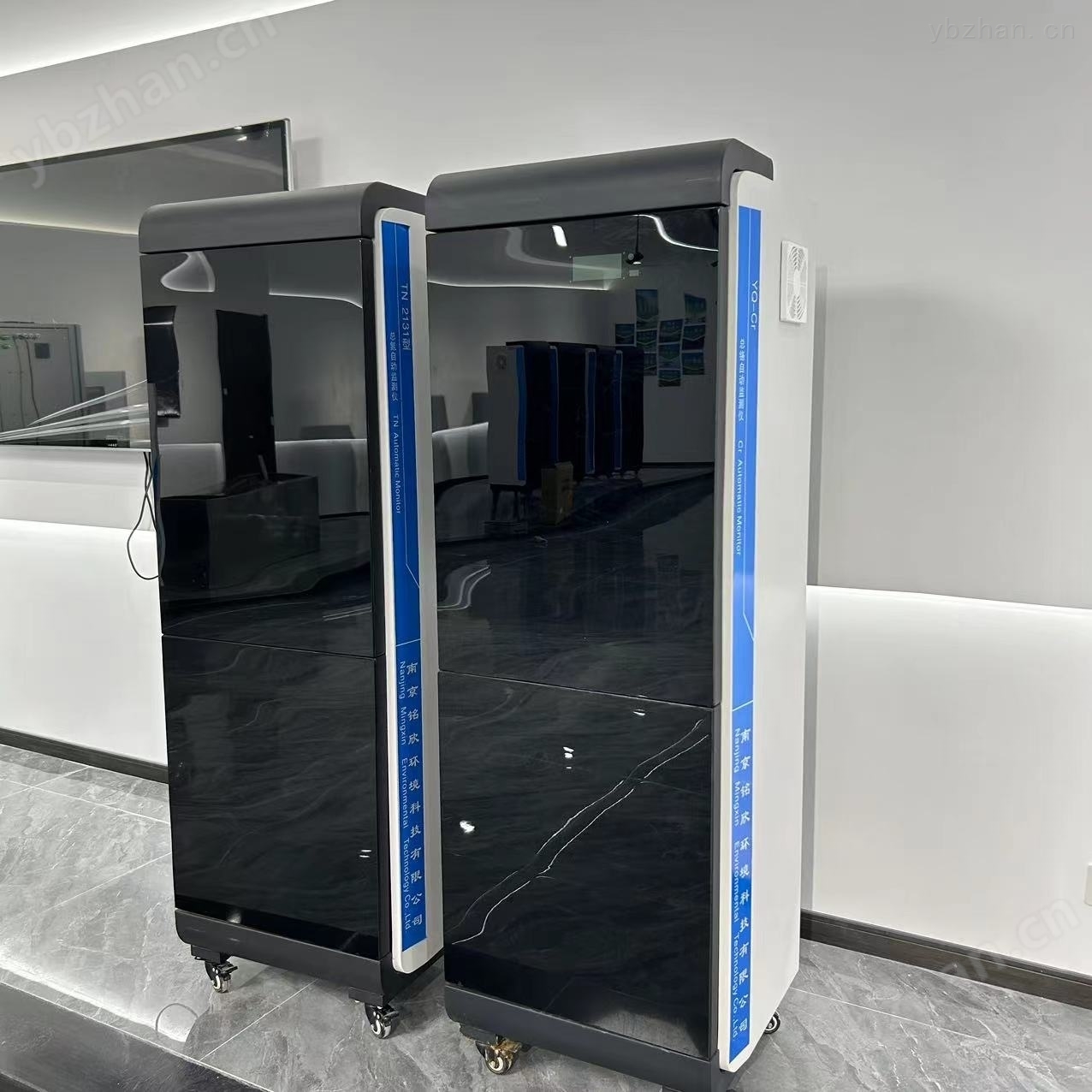
The five parameter automatic monitoring device usually refers to an integrated online analysis equipment that can synchronously and real-time monitor the five core water quality indicators of pH value, dissolved oxygen (DO), conductivity (or salinity), turbidity, and water temperature. With the advantages of multi parameter fusion, continuous automatic operation, and remote data transmission, the five parameter automatic monitoring instrument has become an important instrument in modern environmental management, industrial process control, and scientific research monitoring, playing an important role in multiple key fields.
1、 Ecological Environment and Water Management
It is widely deployed in water quality automatic monitoring stations in rivers, lakes, reservoirs, and drinking water sources to assess the health status of water bodies in real time. For example, pH anomaly may indicate acid rain or industrial leakage, sudden drop of dissolved oxygen often reflects organic pollution, and rising turbidity indicates water and soil loss or rainstorm runoff. The environmental protection department provides timely warnings of risks such as blue-green algae outbreaks and black and odorous water bodies through platform data, supporting precise pollution control.
2、 Urban sewage treatment plant
In the entire process of sewage treatment, this equipment is used for evaluating the quality of incoming water, controlling the aeration of the biochemical tank, and monitoring the effluent standards. By providing real-time feedback on DO and pH, the system can automatically adjust the frequency and dosage of the blower, achieving energy conservation and consumption reduction; The five parameter data of the outlet are directly related to the compliance of emissions, ensuring stable compliance with the "Pollutant Discharge Standards for Urban Sewage Treatment Plants".
3、 Aquaculture industry
High density aquaculture is extremely sensitive to water quality. The five parameter instrument can monitor 24 hours a day whether the dissolved oxygen in the pond or circulating water system is sufficient, whether the water temperature is appropriate, and the conductivity changes indirectly reflected by ammonia nitrogen. Once the DO is below the critical value (such as 3mg/L), the system automatically starts the aerator to avoid the death of fish and shrimp floating heads and improve the viability and efficiency of aquaculture.
4、 Industrial Process Control
In industries such as electricity (cooling water), food and beverage (cleaning and ingredient water), and pharmaceuticals (purified water), water quality directly affects product quality and equipment safety. The five parameter meter is used for online monitoring of the purity of process water. If the conductivity exceeds the standard, it indicates the failure of the ion exchange resin, and if the turbidity is abnormal, it may indicate the damage of the filter element, achieving preventive maintenance.
5、 Research and Emergency Monitoring
Universities and research institutions use their portable models to conduct field hydrological surveys; In sudden water pollution incidents (such as chemical spills), emergency teams quickly deploy equipment to obtain the migration path and impact range of the pollution group, providing scientific basis for decision-making.