-
E-mail
18752476625@163.com
-
Phone
18751941608
-
Address
Room 1304, Building A1, No. 216 Pu Liu North Road, Getang Street, Jiangbei New District, Nanjing City
Nanjing Haohai Marine Technology Co., Ltd
Briefly describe the regular maintenance methods for multibeam imaging sonar
Date: 2025-09-23Read: 8
The precision transducer array and complex electronic system of multibeam imaging sonar work in harsh underwater environments with high humidity, high salt, and high pressure for a long time, and are easily affected by factors such as biological attachment, corrosion, and vibration. Scientific regular maintenance is the key to ensuring clear and accurate data of multibeam imaging sonar.
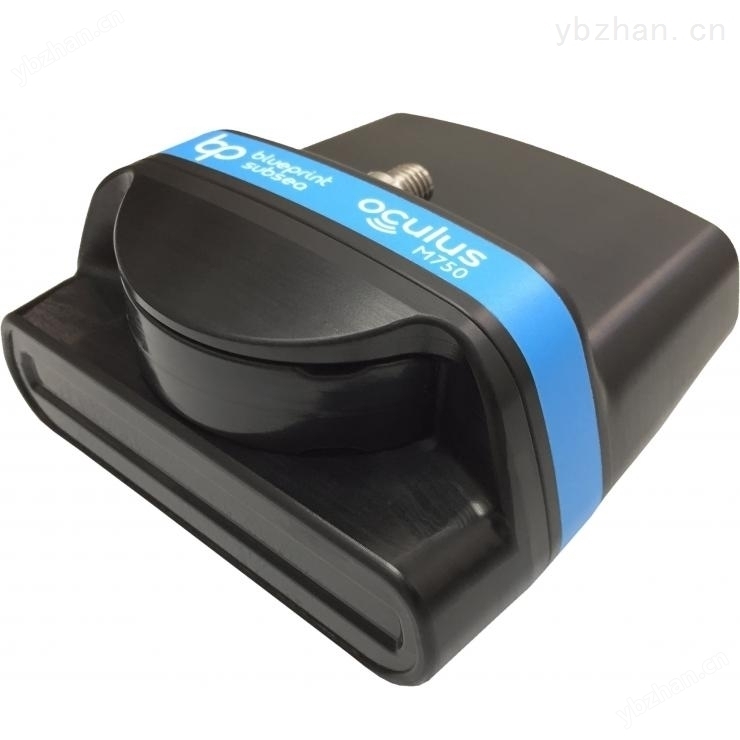
1、 Immediate protection upon discharge: timely cleaning and inspection
After each assignment, do not immediately turn off the power or store it. The multi beam imaging sonar should be continuously operated in fresh water for 10-15 minutes, using its self-cleaning function to flush the surface of the transducer. Subsequently, use a soft bristled brush and clean water to remove sediment, algae, shellfish, and other attachments from the casing, soundproof window, and transducer array. It is strictly prohibited to use hard objects to scrape or high-pressure water guns to directly charge, in order to avoid damaging sensitive components. Check for cracks in the casing, aging of the sealing ring, and wear on the cable sheath, and promptly address any issues found.
2、 Dry and moisture-proof: environmental control is key
After cleaning, place the sonar in a ventilated and cool place to air dry naturally, avoiding direct sunlight or high temperature baking. When stored for a long time, it should be placed in a drying oven or a dedicated cabinet equipped with dehumidification equipment, and the environmental humidity should be controlled at 40% -60%. Desiccant can be placed near the equipment and replaced regularly. For the wet end (transducer part), special protective grease can be applied to prevent oxidation.
3、 Sealed protection: regular inspection and replacement
Sealing performance is the lifeline of sonar. An air tightness test (such as a pressure test) should be conducted every 3-6 months to ensure that there is no water leakage inside. Check all O-rings and gaskets for deformation, cracking, or loss of elasticity, and replace them forcibly every year or during major repairs. Special silicone grease should be applied during installation to evenly distribute force and avoid distortion.
4、 System "Physical Examination": Function Calibration and Software Update
System performance validation should be conducted every quarter or after working 100 hours cumulatively. Test the beam directivity, ranging accuracy, and image resolution through standard targets such as metal balls and flat seabed areas. Use built-in diagnostic tools to check the signal strength and noise level of each channel. At the same time, timely update device firmware and operating software, fix known vulnerabilities, and improve stability and functionality.
5、 Transportation and storage: shock and pressure resistance are the bottom line
Use original packaging or specialized shock absorbers during transportation to avoid severe vibrations and drops. When storing, ensure that the equipment is placed horizontally and the cables are wound in sequence to avoid excessive bending (bending radius ≥ 10 times the wire diameter).