-
E-mail
1591259053@qq.com
-
Phone
15666889209
-
Address
Room 207, Building 1, Weifang High tech Zone Optoelectronic Industry Accelerator (Phase I), No. 155 Optical Circuit, Weifang High tech Zone, Shandong Province
Shandong Jingdao Optoelectronics Technology Co., Ltd
Automatic rainfall and water level monitoring station: unmanned automatic recording, significantly improving monitoring efficiency
Date: 2025-12-23Read: 5
【JD-YJ2】, Shandong Jingdao Optoelectronics, customer-centric and quality-oriented, work together for a win-win future.
In hydrological monitoring work, rainfall and water level are two key parameters, which are of great significance for flood prevention and drought resistance, water conservancy project construction and management, etc. The automatic rainfall and water level monitoring station, with its unmanned and automatic recording characteristics, greatly improves monitoring efficiency and provides strong guarantees for accurate and timely acquisition of relevant data.
Unmanned automatic recording: the cornerstone of efficient monitoring
Multi parameter automatic monitoring: The automatic rainfall and water level monitoring station integrates the monitoring functions of rainfall and water level. The rainfall monitoring section usually uses high-precision tipping bucket rain gauges or weighing rain gauges. The tipping bucket rain gauge measures rainfall by flipping the tipping bucket to count rainwater, with a simple structure and accurate measurement; Weighing rain gauges obtain rainfall by measuring the weight of rainwater, especially suitable for solid-state precipitation or situations that require high accuracy. In terms of water level monitoring, commonly used sensors include ultrasonic water level sensors and pressure type water level sensors. Ultrasonic water level sensors utilize the principle of ultrasonic reflection and are not affected by factors such as water quality and flow. They can accurately measure water level height in various complex water environments; The pressure type water level sensor accurately converts water level by measuring underwater pressure based on the relationship between water pressure and water level. These sensors work together to automatically and continuously collect rainfall and water level data without the need for real-time manual intervention.
Automatic data recording and storage: The collected rainfall and water level data are automatically recorded by the data collector. The data collector has powerful data processing and storage capabilities, and can accurately record the data transmitted by sensors at set time intervals, such as every minute, every hour, etc. At the same time, to prevent data loss, data collectors are usually equipped with high-capacity storage devices such as memory cards or hard drives, which can store historical data for a long time. For example, in a long-term hydrological monitoring project, an automatic rainfall and water level monitoring station can continuously record rainfall and water level data for several years, providing rich data resources for analyzing hydrological trends. These historical data are of great value for studying climate change, the impact of water conservancy projects, and so on.
Intelligent operation and fault self diagnosis: The automatic rainfall and water level monitoring station has intelligent operation functions and can automatically run according to preset programs. It can automatically adjust the monitoring frequency and increase it when there is significant rainfall or water level change, ensuring more detailed data is obtained; During stable periods, reduce monitoring frequency to save energy and storage space. At the same time, the system also has a fault self diagnosis function. When sensors, data collectors, or communication modules fail, the system can automatically detect and locate the fault point, and issue an alarm through the built-in alarm system. For example, when the ultrasonic water level sensor malfunctions and cannot measure the water level normally, the system will immediately issue an alarm to notify maintenance personnel for timely repair and ensure the continuity of monitoring work.
Significant improvement in monitoring efficiency: multiple advantages highlighted
Timeliness of data acquisition: Unmanned automatic recording enables timely acquisition of rainfall and water level data. The traditional manual monitoring method requires staff to regularly visit monitoring points for measurement and recording, which has a certain lag in time. The automatic rainfall and water level monitoring station collects real-time data and automatically records it at set time intervals, and the data can be transmitted almost in real time to the data center. For example, during flood prevention, real-time rainfall and water level data are crucial for decision-making. Automatic rainfall monitoring stations can upload data in a timely manner, enabling flood control command departments to timely grasp changes in water conditions and prepare for flood control in advance, such as organizing personnel evacuation, allocating flood control materials, etc., effectively responding to possible flood disasters.
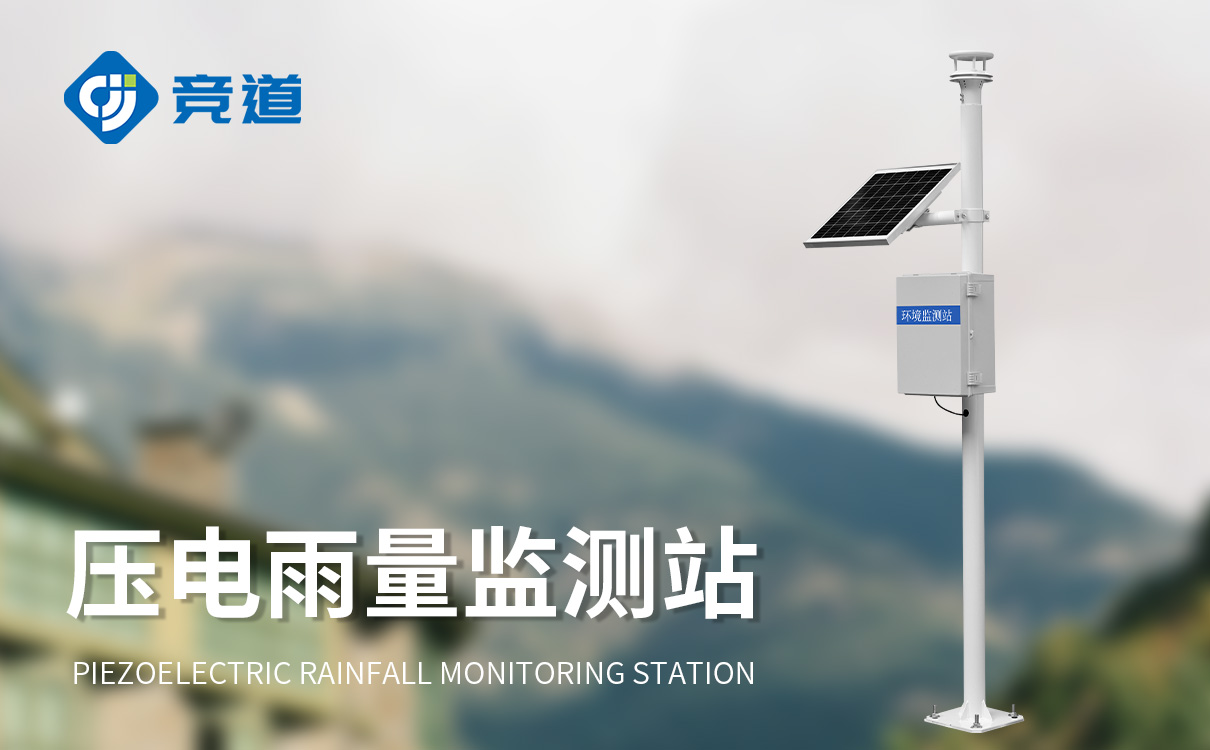
Reduced labor costs: Automatic rainfall and water level monitoring stations reduce reliance on manual labor, greatly reducing labor costs. In the past, manual monitoring required a large amount of manpower investment, not only to arrange personnel for on-site measurement, but also to organize and report data. Now, automatic rainfall and water level monitoring stations only require a small number of maintenance personnel to regularly inspect and maintain the equipment. For example, a large hydrological monitoring network using automatic rainfall and water level monitoring stations may reduce labor costs several times. The saved manpower can be invested in more complex data analysis, model research, and other work, improving the quality and efficiency of the entire hydrological monitoring work.
Expanded monitoring range and improved accuracy: Automatic rainfall and water level monitoring stations can be deployed in a wider area, expanding the monitoring range. Automatic rainfall and water level monitoring stations can be installed in remote mountainous areas, vast grasslands, or river sources with inconvenient transportation. Meanwhile, due to the use of high-precision sensors and advanced data processing techniques, the monitoring accuracy has been significantly improved. Sensors can accurately measure small changes in rainfall and water levels, and data collectors perform strict calibration and quality control on the data to ensure that the obtained data is accurate and reliable. For example, in water conservancy engineering construction, high-precision rainfall and water level data are of great significance for the design, construction, and operation management of the project, which can help engineers better evaluate the impact of the project on the hydrological environment and ensure the safety and efficiency of the project.
Important applications and significance in multiple fields
Flood prevention and drought relief work: Automatic rainfall and water level monitoring stations are important "eyes and ears" in flood prevention and drought relief work. Real time rainfall and water level data can help flood control and drought relief departments to timely grasp water situation dynamics and provide early warning of floods and drought disasters. Before the flood arrives, accurately predict the scale and development trend of the flood through monitoring station data, promptly activate flood control plans, and take effective flood control measures, such as reinforcing dams and transferring people, to reduce the losses caused by the flood. During drought periods, by monitoring changes in rainfall and water levels, water resources can be reasonably allocated to ensure the water needs of residents' daily lives and agricultural production.
Water conservancy engineering construction and management: For water conservancy projects such as reservoirs, dams, etc., the data provided by automatic rainfall and water level monitoring stations is an important basis for engineering construction and management. In the engineering planning stage, the scale and layout of the project are reasonably determined by analyzing long-term rainfall and water level data. During the operation phase of the project, real-time monitoring of rainfall and water level is carried out, and the storage capacity of the reservoir and the discharge capacity of the dam are adjusted in a timely manner to ensure the safe operation of the project. Meanwhile, by analyzing the data, the impact of the project on the surrounding hydrological environment is evaluated, providing reference for the maintenance and improvement of the project.
Ecological environment monitoring: Rainfall and water level have a significant impact on the ecological environment. The data from automatic rainfall and water level monitoring stations helps to understand changes in ecosystems. For example, in wetland ecosystems, changes in water level directly affect the ecological functions and biodiversity of wetlands. By monitoring rainfall and water levels, analyzing their impact on the ecological environment, taking corresponding protective measures, and maintaining ecological balance. Meanwhile, these data can also be used to study the impact of climate change on ecosystems, providing scientific basis for ecological environment protection.
The automatic rainfall and water level monitoring station, with its unmanned and automatic recording characteristics, greatly improves monitoring efficiency and plays an indispensable role in multiple fields such as flood control and drought resistance, water conservancy engineering, and ecological environment. With the continuous development of technology, automatic rainfall and water level monitoring stations will be continuously improved and upgraded, providing more accurate and timely data support for the development of various fields.