-
E-mail
Sales@senther.com.cn
-
Phone
13430557816
-
Address
Shiyan Street, Bao'an District, Shenzhen
Shenzhen Sense Technology Development Co., Ltd
Installation method of accelerometer in vibration monitoring of cable car power system
Date: 2025-10-21Read: 9
In the vibration monitoring of cable car power systems, the installation method of acceleration sensors directly affects the accuracy and stability of data. It is necessary to design based on component characteristics, vibration direction, and installation environment. The core points are as follows:
1. Installation location selection
Key vibration sources:Prioritize installation in positions where vibration transmission is direct and can reflect the true state of the components, such as:
Drive motor: located at the bearing seat of the motor housing (close to the rotating shaft, capturing rotor imbalance, bearing wear and vibration).
Reducer: Bearing end caps for input shaft and output shaft (monitoring gear meshing and shaft misalignment vibration).
Drive shaft: bearing support seat (reflecting vibration caused by shaft bending and unbalanced rotation).
Avoid resonance areas:Stay away from the inherent resonance points of the equipment structure (such as weak parts of the casing) to prevent vibration signals from being amplified or attenuated.
2. Determination of installation direction
The main direction of vibration needs to be covered (cable car power systems are mostly rotating components, and vibration includes radial and axial directions):
Radial vibration: The sensitive axis of the sensor is perpendicular to the rotating axis (such as horizontal or vertical to the ground, monitoring rotor imbalance and bearing radial wear).
Axial vibration: The sensitive axis of the sensor is parallel to the rotating axis (monitoring axial movement of the shaft system and abnormal axial force of the gear).
It is recommended to install 2-3 sensors in different directions at the same monitoring point to comprehensively capture three-dimensional vibration information.
3. Installation method selection
Bolt fixation:This method is suitable for long-term fixed monitoring. Use M5/M6 bolts to rigidly connect the sensor base to the device surface, ensuring a smooth contact surface (thin metal pads can be used) to avoid signal distortion caused by looseness.
Magnetic installation:Suitable for temporary inspection or locations where drilling is inconvenient (such as precision component shells). Select a strong magnetic base sensor to ensure a tight fit with the device surface (the surface should be clean and free of oil stains, with a magnetic force of ≥ 5kg), and avoid detachment during vibration.
Adhesive installation:Use specialized industrial adhesive (such as epoxy resin adhesive) for pasting, suitable for curved surfaces or small space installations. It is necessary to polish the surface of the equipment in advance to ensure the bonding strength (after curing, it needs to be left to stand for more than 24 hours), but long-term use may cause detachment due to vibration, which is suitable for short-term monitoring.
4. Installation precautions
Lightweight and miniaturization:The weight of the sensor should be ≤ 50g to avoid changing the vibration characteristics of components due to additional mass (especially the bearing seat of high-speed rotating components).
Cable fixation:The sensor cable needs to be fixed along the surface of the device (using zip ties or cable trays) to avoid additional vibration interference caused by hanging and shaking. The bending radius of the cable should be ≥ 10 times the wire diameter to prevent internal wire breakage.
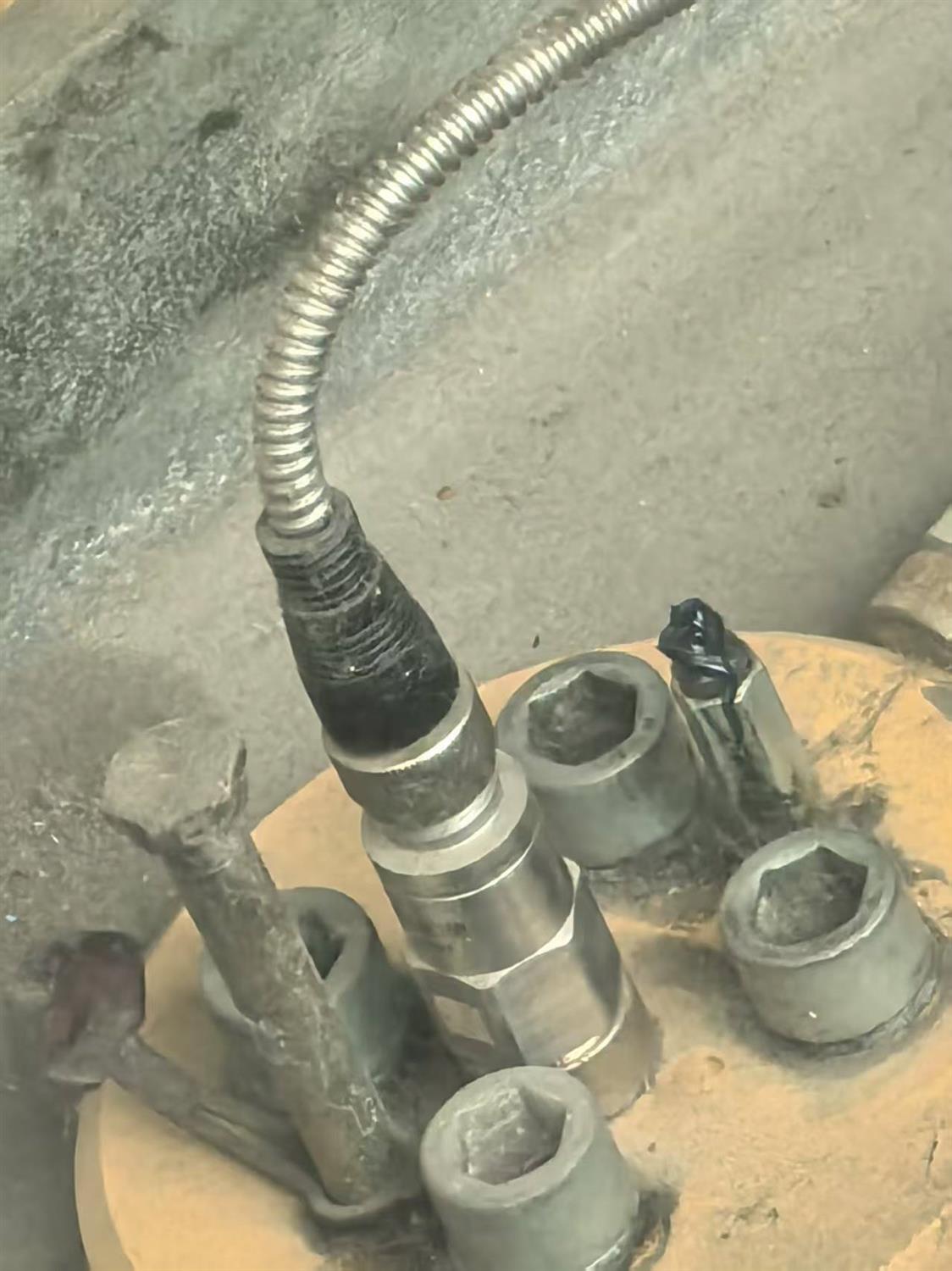
Environmental adaptation:When installing outdoors, sensor cables need to be threaded through protective tubes (such as stainless steel corrugated tubes), sealed with sealant at the interface, and the installation gap with the equipment surface needs to be filled with waterproof glue to ensure compliance with IP65 and above protection requirements.
5. Application case:
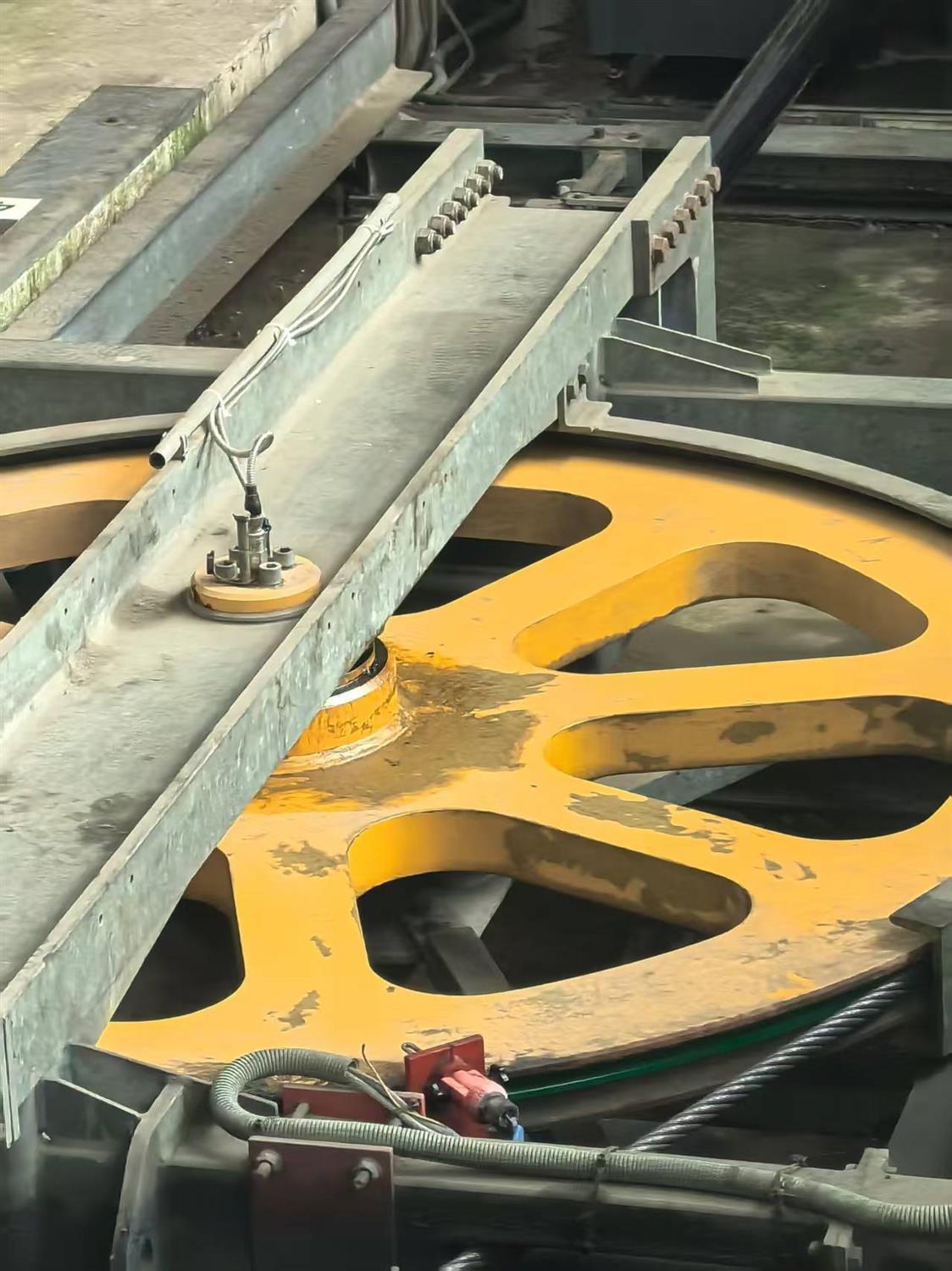
The customer selected the Senser Technology acceleration sensor 310A to be installed on the power wheel of the cableway train for vibration monitoring. The sensor is fixed on a circular mounting seat using magnetic attraction and bolts. It is installed radially and axially at the bearing seat of key components to ensure a rigid connection between the sensor and the equipment. The stainless steel corrugated tube cable is securely fixed, while also considering lightweight and environmental protection to obtain real and stable vibration signals. For further information on product applications, please contact us: