-
E-mail
376786168@qq.com
-
Phone
18971653633
-
Address
13th Floor, Zhongjian Guanggu Star Mansion, No. 799 Gaoxin Avenue, Donghu High tech Zone, Wuhan City, Hubei Province
Wuhan Shuntong Intelligent Technology Co., Ltd
Construction Plan for Digital Energy and Carbon Management Platform for Industrial Enterprises and Parks
Date: 2025-12-02Read: 9
1、 Background
The digital energy and carbon management center is an information system and basic tool to support industrial enterprises and parks to improve the management level of dual control of energy consumption and carbon emissions. Through the use of artificial intelligence, industrial Internet, Internet of Things, intelligent sensing and other information communication technologies, it develops the functions of energy consumption and carbon emissions data collection, monitoring, accounting, analysis, prediction, early warning, decision support, and supports the development of product carbon footprint, project carbon assessment, and enterprise carbon management. To guide industrial enterprises and parks in building digital energy and carbon management centers, promote digital technology to empower green and low-carbon transformation, and enhance industrial energy conservation and carbon reduction levels.
The office has released the "Guidelines for the Construction of Digital Energy and Carbon Management Centers for Industrial Enterprises and Parks", providing guidance for the construction of energy and carbon platforms for enterprises and parks.

IITransition from "dual control" of energy consumption to "dual control" of carbon emissions
Energy consumption "dual control" controls the total amount and intensity of energy consumption (energy consumption per unit of GDP). This has been the main assessment indicator for the past decade or so.
The report on "dual control" of carbon emissions clearly proposes to "improve the regulation of total energy consumption and intensity, focus on controlling fossil energy consumption, and gradually shift towards a" dual control "system of total carbon emissions and intensity". Starting from 2024, gradually shift the assessment baton from "energy consumption" to "carbon emissions". Focus on controlling carbon emissions generated from the consumption of fossil fuels (coal, oil, gas), and exclude the consumption of renewable energy from the overall assessment. Control the total amount and intensity of carbon emissions (carbon dioxide emissions per unit of GDP).
threeThe unique advantages of Shuntong Intelligence
We have extensive experience in QT series intelligent gateways, cloud platforms, intelligent power distribution systems, and possess full chain capabilities for data collection, transmission, analysis, and visualization. Long term service in industries such as industry, power, and construction, with a deep understanding of customers' production processes and energy consumption pain points. The existing intelligent operation and maintenance, secure electricity and other products can complement the dual carbon business well, providing customers with a comprehensive value of "operation and maintenance+energy efficiency+carbon management".
4、 12 functional indicators
Based on AI algorithms, modeling energy consuming devices, benchmarking energy efficiency, load forecasting, and diagnosing energy-saving potential (such as identifying standby energy consumption during non production time). Manage the carbon quota and CCER (National Certified Voluntary Emission Reduction) of enterprises in a ledger, and track the profit and loss of carbon assets. Integration with building automation systems and production management systems.
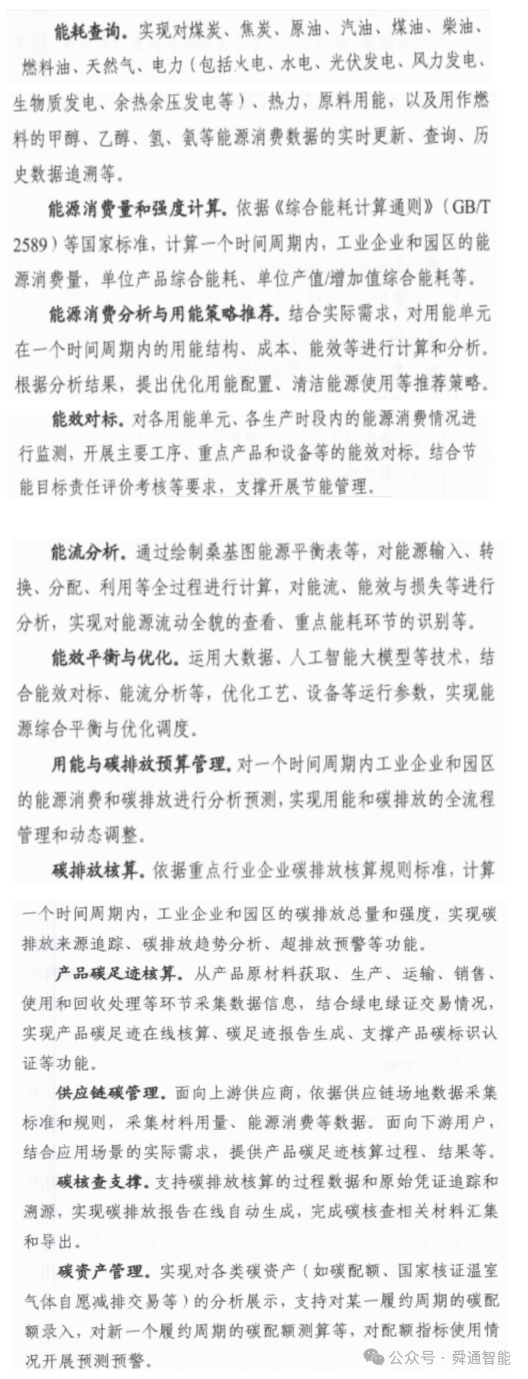
5、 Platform functions (compared to the 12 functions proposed by the benchmark)
Existing energy consumption queries, energy consumption summaries, energy consumption rankings, and energy consumption supplements. Conduct research on the energy structure of enterprises (such as the proportion of electricity, coal, and gas), production processes, and carbon emission sources, collect historical energy consumption and carbon emission data, and build an energy carbon data platform.

Energy consumption and intensity, trend analysis, quarter on quarter analysis, unit consumption report, product unit consumption. By analyzing energy consumption and intensity, and benchmarking energy efficiency,Comparing industry benchmarks to discover energy-saving space, providing a basis for setting energy efficiency goals.

Energy analysis and energy consumption strategy, electricity bill analysis, comparative analysis, conducting energy flow analysis, identifying energy loss points (such as equipment heat loss and pipeline leakage), implementing energy consumption strategies such as equipment energy-saving renovation (high-efficiency motors, waste heat recovery)peak-valley electricity priceScheduling and energy structure adjustment (increasing the proportion of renewable energy), achieving dynamic matching of energy supply and demand through energy efficiency balance and optimization, and reducing redundant consumption

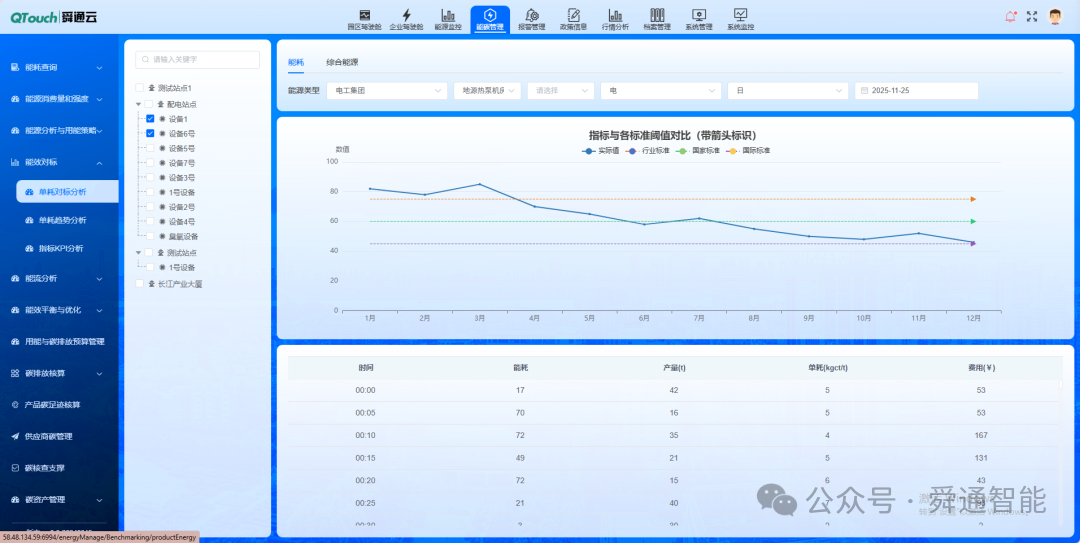
Energy efficiency benchmarking, unit consumption benchmarking analysis, unit consumption trend analysis, indicator KPI analysis,Through the cycle of "benchmarking, meeting standards, and creating standards", we aim to continuously improve energy efficiency and enhance market competitiveness.
Energy flow analysis, energy flow diagram, loss analysis, energy loss,Accurately locate energy efficiency bottlenecks and provide a basis for energy recovery and system optimization (such as waste heat utilization and pipeline network renovation)

Energy efficiency balance and optimization,Realize dynamic balance of the energy system, reduce energy waste, and improve overall energy efficiency of the system.

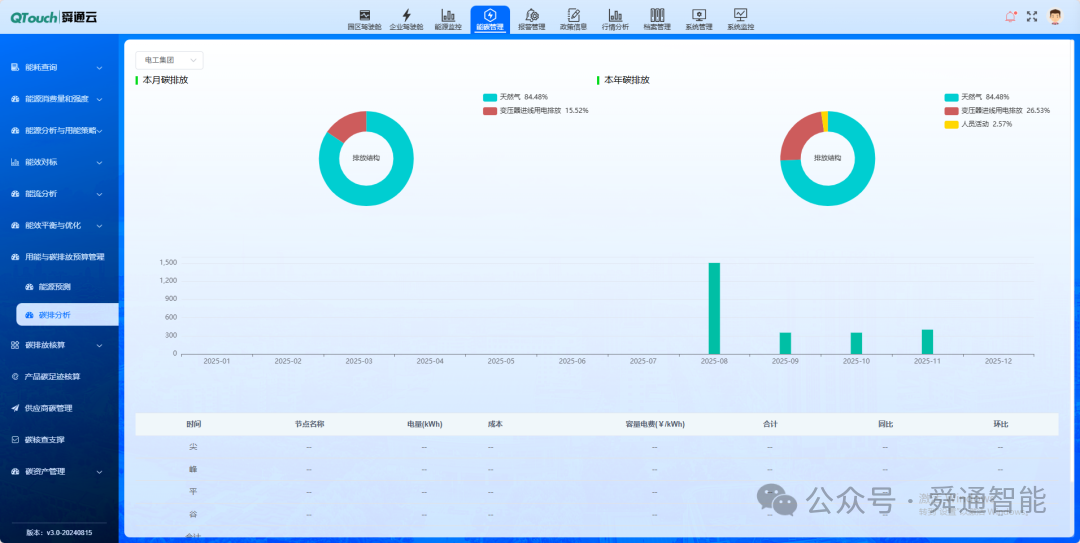
Energy consumption and carbon emission budget management, energy forecastingNegotiation analysis,Quantify and prioritize carbon reduction targets to assist enterprises in planning low-carbon transformation paths in advance (such as carbon emission trading and policy compliance)
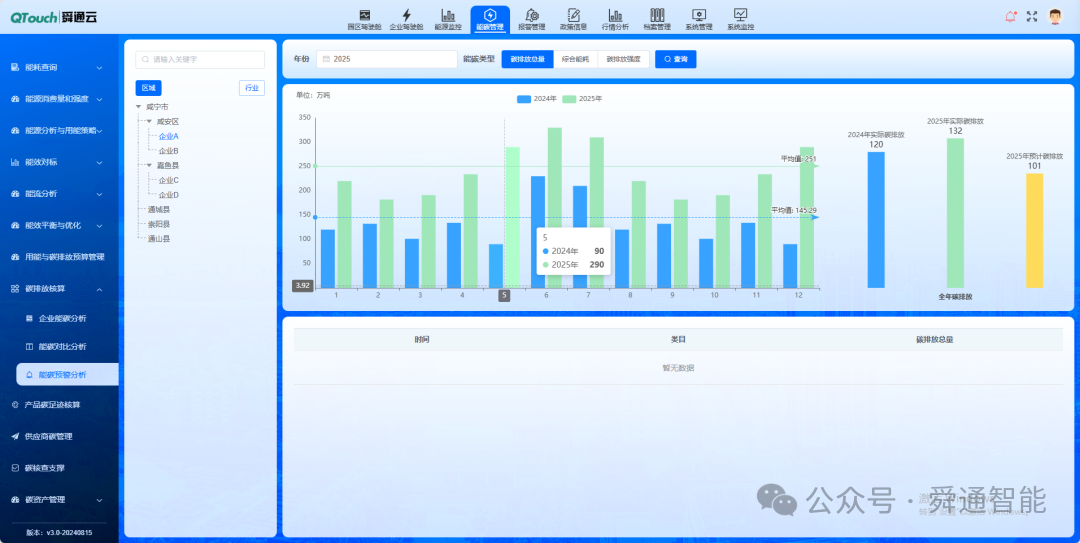
Carbon emission accounting, enterprise energy analysis, energy comparative analysisCarbon warning analysis,Meet policy regulatory requirements (such as carbon trading and carbon disclosure) and provide basic data for carbon management.
Product carbon footprint accounting,Meet the low-carbon procurement needs of downstream customers (such as brand owners and retailers) and enhance the international competitiveness of products (such as the EU CBAM Act).
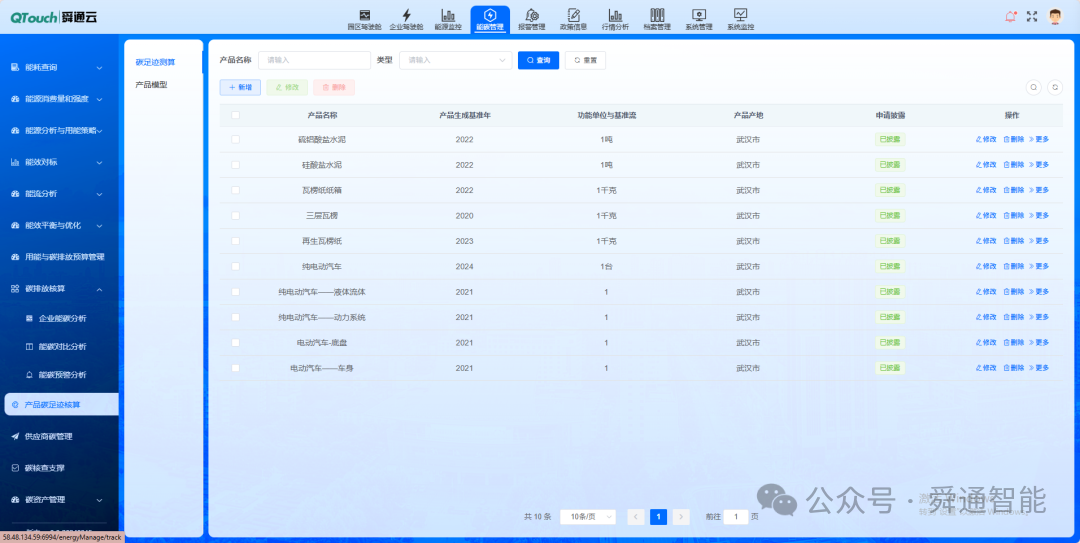
Supplier carbon management,Reduce the overall carbon risk of the supply chain, respond to the requirements of the "green supply chain" policy, and enhance the performance of enterprisesESGImage.

Carbon verification support,To avoid verification risks caused by data issues and ensure the compliance of carbon assets (such as carbon quotas).
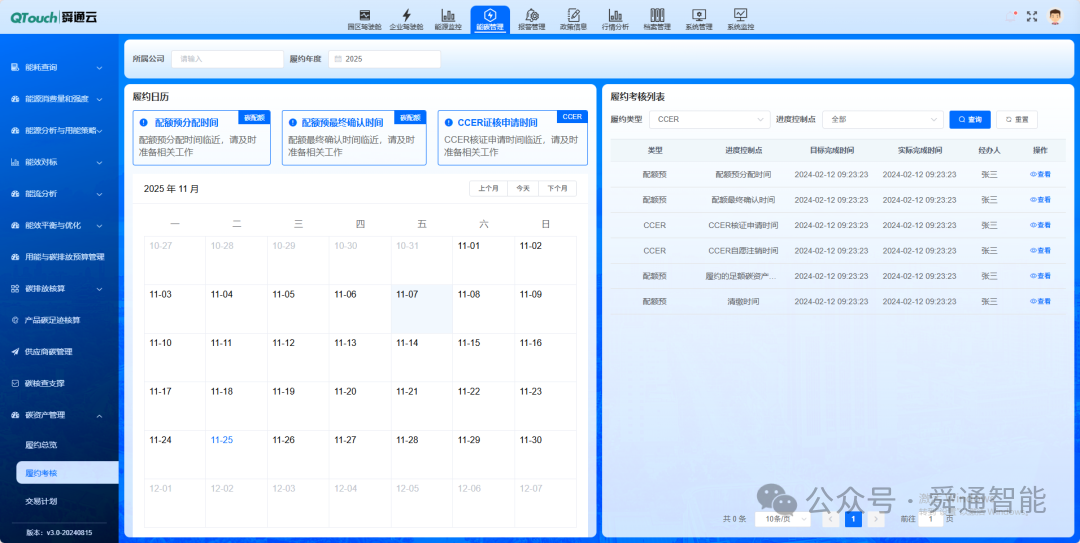
Carbon asset management,Transforming carbon assets into economic value (such as carbon trading profits), or using them to offset carbon emissions and reduce compliance costs.

Scenario based application services: Industrial manufacturing industry - focusing on energy efficiency improvement of key energy consuming equipment such as air compressors, air conditioners, and pump stations, as well as carbon footprint tracking of the entire production process.

VIsummary
Industrial enterprises and parks can achieve precise measurement, precise control, intelligent decision-making, and visual presentation of energy consumption and carbon emissions through the construction and operation of digital energy and carbon management centers, continuously improving their energy conservation and carbon reduction management capabilities, effectively supporting the improvement of energy utilization efficiency and the reduction of carbon emissions, and promoting green and low-carbon transformation.
The 12 carbon services and comprehensive solutions provide enterprises with full chain tools and methods from "energy consumption" to "carbon asset appreciation". In the context of the "dual carbon" target, enterprises can achieve a win-win situation of energy conservation, cost reduction, and low-carbon transformation through this plan, which not only responds to policy requirements but also enhances market competitiveness, and moves towards a sustainable development future.
Provide initial energy consumption diagnosis and carbon emission mapping services for enterprises. Energy saving technology transformation (EMC contract energy management): Invest in and implement energy-saving projects through energy-saving benefit sharing mode, and share profits with customers. Provide value-added services such as carbon peak path planning, ESG report preparation, and internal carbon management training.
Last Article: Energy Router Product Manual
Next Article: ST-520 Air Conditioning Energy saving AI Control Cabinet