09,03,2026 18 views
Recently, a leading domestic automotive parts company has introduced a batch of temperature and humidity test chambers independently developed by Guanghaotian to improve the efficiency of product environmental adaptability testing, covering core component testing processes such as automotive electronics and seals. This move will help the company shorten the testing cycle and further ensure the reliability of products in the environment.
Automotive components need to withstand complex working conditions such as high and low temperatures, humidity fluctuations, etc., which require high stability and accuracy of testing equipment. The testing equipment previously used by the company had problems such as slow response to temperature and humidity switching, low efficiency in multi sample testing, and difficulty in matching the testing needs of large-scale production. The Guanghao Tian temperature and humidity test chamber is customized and upgraded to address pain points in the automotive industry: it has the ability to adjust over a wide temperature range of -50 ℃ to 150 ℃, and the response time for temperature and humidity switching is shortened to within 5 minutes; The multi-layer three-dimensional sample rack with innovative design can simultaneously accommodate 30 sets of component testing, increasing testing efficiency by 40%; Equipped with specialized testing software for the automotive industry, it can automatically generate testing reports that meet international standards, reducing manual data processing errors.

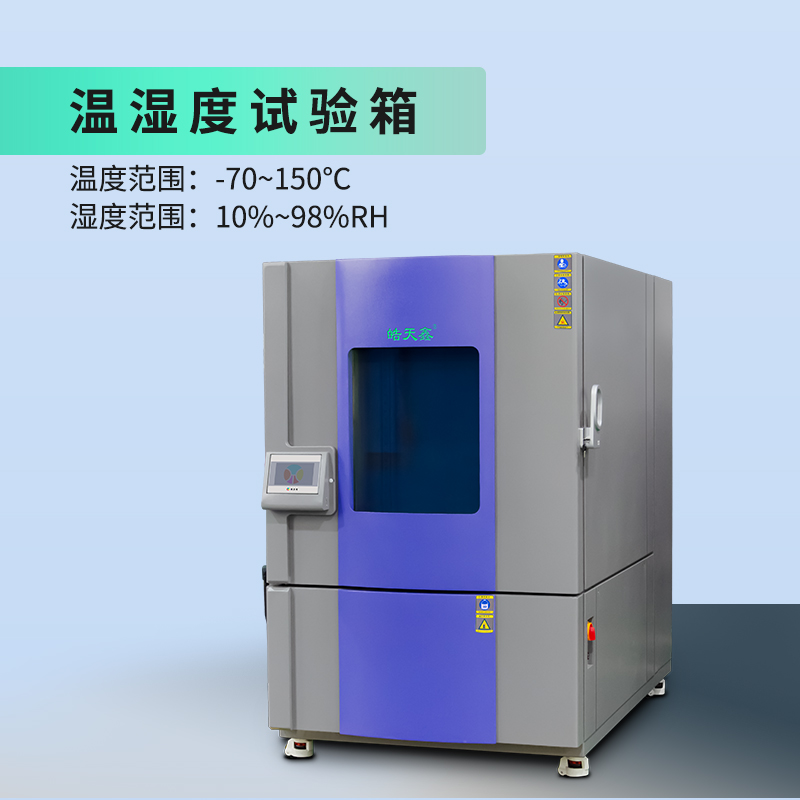
It is reported that the company has purchased a total of 5 units this timeGuanghao Tian Temperature and Humidity Test Chamber, deployed separately in the R&D center and mass production testing workshop. During the research and development phase, it is possible to quickly verify the performance changes of components under conditions such as high temperature, high humidity, and low temperature freezing; In the mass production testing process, standardized temperature and humidity cycling tests are used to accurately screen for non-conforming products. The quality manager of the company stated that after the equipment was put into use, the component inspection cycle was shortened from the original 48 hours to 24 hours, and the defect interception rate was increased by 25%, effectively reducing the after-sales risk of downstream car companies.
The relevant person in charge of Guanghaotan pointed out that they will continue to deepen the demand for automotive industry chain testing, develop more specialized testing equipment suitable for new energy vehicle components and intelligent driving hardware, and help promote the high-quality development of the automotive industry.