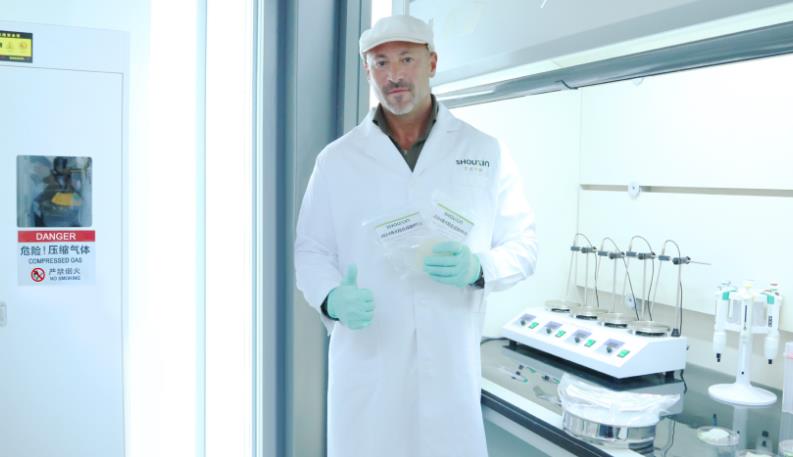
Top 10 Chinese Polyacrylamide Brands Worth Knowing: An Industry Overview
09,21,2026 16 views


09,01,20252From:
Source of exhaust gasMainly from spray painting rooms, painting workshops, paint mixing rooms, drying areas, bonding workshops, etc.
main ingredientsVolatile organic compounds such as benzene, toluene, xylene, formaldehyde, ethyl acetate, acetone, etc.
The emission characteristics include:
1. The concentration fluctuates greatly,During processes such as painting and drying, the concentration sharply increases and intermittent emissions occur.
2. Flammable and explosive,Some VOCs gases are flammable substances that accumulate in enclosed spaces and pose a risk of explosion.
3. Toxic and harmful,Benzene, formaldehyde, and other known carcinogens pose great health risks to employees.
Safety firstPrevent fire, explosion, and personnel poisoning accidents.
complianceMeet the requirements of national and local environmental regulations and occupational health standards.
Hierarchical classificationConfigure detectors with different functions and accuracy levels based on the risk level of different regions.
Real time and reliableEnsure accurate detection data, timely alarms, and stable system operation.
According to the risk level, the factory area is divided into different regions and different detection strategies are adopted:
| region | main risks | Recommended instrument type | Core functional requirements |
|---|---|---|---|
| 1. Inside the paint booth/painting line | High concentration VOCs, oxygen deficiency, flammable and explosive | Fixed VOCs gas detector | Explosion proof design, real-time concentration display, low/high alarm level 2 alarm, linkage control |
| 2. Paint mixing room/oil storage area | Flammable and explosive, volatile volatile organic compounds (VOCs) | Fixed VOCs+LEL combustible percentage detector | Explosion proof design, main monitoring of lower explosive limit (LEL%), linked fan |
| 3. Ventilation system/exhaust gas treatment device inlet | High concentration VOCs, concentration monitoring | Fixed VOCs detector+gas pretreatment monitoring system | Processing high temperature and high humidity for online monitoring |
| 4. Open area of workshop | Occupational health protection, low concentration exposure | Diffuse fixed detector area sound and light alarm | Monitoring time weighted average concentration, short-term exposure concentration |
| 6. Inspection/confined space entry | Mobile detection, temporary assignments | Portable Multi in One Gas Detector | Required accessories: PID (for VOCs measurement), LEL (for combustible gas measurement), O ₂ (for oxygen deficiency measurement). Optional: CO, H ₂ S, specific gas sensors (such as formaldehyde, etc.) |
Simple detection and alarm are the foundation,The essence of the solution lies in the linkage control with governance facilities.
Automatic start/stop ventilation:
When the reading of the detector exceeds the preset alarm value of level one, the system automatically starts the exhaust and supply systems to forcibly dilute harmful gases in the area.
Automatically cut off the source of danger:
When the reading of the detector exceeds the second level preset alarm value, the system automatically interlocks to cut off the power or gas supply for the painting operation, terminating the leakage from the source.
Sound and light alarm prompt:
Install explosion-proof sound and light alarm lights on site to remind staff to evacuate quickly. The central control room monitoring screen pops up an alarm message and records the event.
Data recording and remote monitoring:
All detection data is uploaded to the PLCCentral Control RoomThe monitoring software platform enables 24-hour uninterrupted monitoring, historical data query, and report generation, meeting safety and environmental audit requirements.
detection technologyPID (photoionization detection)Device: Preferredtechnology It has high sensitivity and fast response speed to the vast majority of VOCs, making it very suitable for leak detection and occupational health and safety protection.
Layout designScientifically design installation points and heights based on gas density (heavier or lighter than air), ventilation conditions, and release source location.
Regular calibration and calibrationThis is the key to ensuring accurate data. Usually, standard gases are used for calibration every 6 months to 12 months.
Sensor lifespan managementPID lights and sensors have a lifespan and require regular inspection and replacement.
personnel trainingProvide professional training for operation and maintenance personnel to ensure that they are proficient in using, judging, and emergency response.
If you need more customized gas solutions, please contact us.

Top 10 Chinese Polyacrylamide Brands Worth Knowing: An Industry Overview
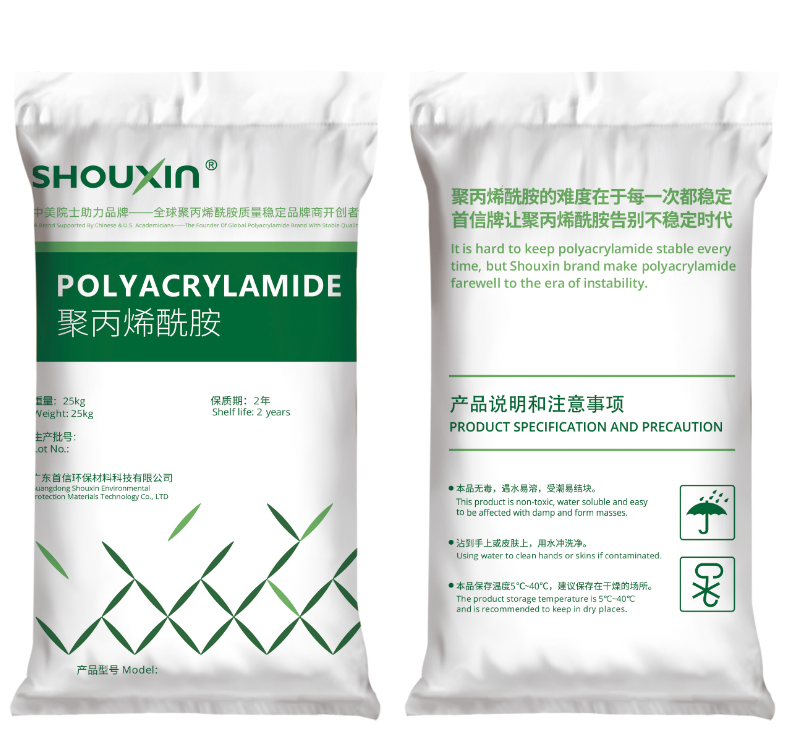
Why Choose Chinese Polyacrylamide Manufacturers for Cost-Effective Industrial Solutions
Shouxin Advanced Polymer Sciences provides high-performance polyacrylamide (PAM) solutions for water treatment, mining, pulp and paper, and industrial applications.