Top 10 Chinese Polyacrylamide Brands Worth Knowing: An Industry Overview
09,21,2026 14 views


06,13,20221From:
It is a metal trough device made of aluminum and copper busbar columns, used as a carrier for collecting and distributing electricity, so it is also called a busbarBusbar.
Bus ducts can be divided into three forms according to different insulation methods: high-strength plug-in bus ducts, dense insulation plug-in bus ducts, and air type plug-in bus ducts. The differences in the structure and purpose of the root bus duct can be further divided into air insulation, air additional insulation, dense insulation, fire resistance, tree expansion insulation, and sliding contact bus ducts; According to the materials used to make the bus duct casing, it can be divided into steel casing, aluminum alloy casing, and steel aluminum hybrid casingBusbar.
Compared to traditional cables and transmission wires, it is smaller in sizeThe characteristics of large capacity and quick assembly and disassembly have significant technological advantages in large-scale current transmission, and high-quality insulation materials are used in the trunking, which improves the safety and reliability of the power supply and distribution system while also extending its lifespanThe service life of busbar trunking.
In the process of selecting and using bus ducts, comprehensive consideration should be given to the detailed environment, and suitable types and materials of bus ducts should be selected according to different situations. In addition, for various bus ducts, the bus duct section should usually be selected according to the maximum long-term operating current. And according to the premise of passing the maximum short-circuit current, verify the short-term thermal stability and dynamic stability of the bus duct. Under normal circumstances, bus ducts are used in three-phase four wire and three-phase five wire power supply and distribution systems with 50Hz, rated voltage of 380V, and rated current of 250~4000A. Due to factors such as the resistance of conductors and the AC current meter effect when multiple conductors approach each other, passing current through the bus duct can cause fever. Copper and aluminum bareThe recommended temperature for the long-term operation of the bus duct is 70 ℃, but when there is a reliable tin cover on its contact surface, the recommended temperature increases to 85 ℃.

Top 10 Chinese Polyacrylamide Brands Worth Knowing: An Industry Overview
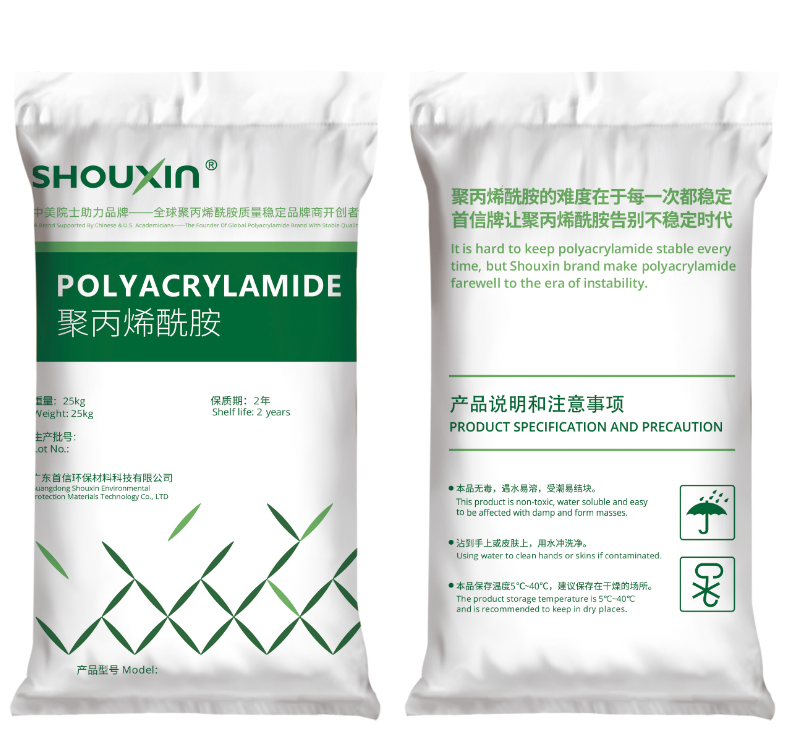
Why Choose Chinese Polyacrylamide Manufacturers for Cost-Effective Industrial Solutions
Shouxin Advanced Polymer Sciences provides high-performance polyacrylamide (PAM) solutions for water treatment, mining, pulp and paper, and industrial applications.