Top 10 Chinese Polyacrylamide Brands Worth Knowing: An Industry Overview
09,21,2026 13 views


11,21,20241From:
Ultrasonic anemometers have a wide and important application in wind power generation.

1、 Optimize fan layout
In the early stages of wind farm construction, ultrasonic anemometers can provide long-term monitoring of wind resources in the proposed construction area. By collecting wind speed and direction data at different heights and locations, it is possible to accurately assess the wind energy potential and wind direction patterns in the region. This helps engineers choose the best installation location for wind turbines, plan the layout of wind turbines reasonably, so that each wind turbine can maximize the use of wind energy and improve the power generation efficiency of the entire wind farm. For example, placing wind turbines in areas with high and stable wind speeds can ensure that the turbines continue to receive sufficient wind energy drive, thereby increasing power generation.
2、 Fan control and operation optimization
·Yaw control
Wind turbines need to adjust the orientation of the wind turbine according to changes in wind direction to ensure that the impeller is always facing the wind direction, thereby achieving maximum wind energy capture. Ultrasonic anemometers can monitor changes in wind direction in real-time and accurately, and transmit data to the control system of the wind turbine. The control system adjusts the yaw angle of the wind turbine in a timely manner based on wind direction data, so that the wind turbine always maintains the optimal upwind state and improves the utilization efficiency of wind energy.
Accurate wind direction monitoring can reduce energy loss and mechanical wear of wind turbines during yaw. By quickly and accurately responding to changes in wind direction, wind turbines can perform yaw operations more smoothly, extend their lifespan, and reduce maintenance costs.
·power regulation
The change in wind speed has a direct impact on the output power of the wind turbine. Ultrasonic anemometer can monitor the magnitude of wind speed in real time, and the control system adjusts the speed and blade angle of the fan based on the wind speed data, achieving optimized control of the fan output power. When the wind speed is low, adjust the blade angle and speed appropriately to improve the efficiency of wind energy capture; When the wind speed is too high, in order to protect the fan from damage, reduce the speed or take shutdown measures in a timely manner.
This precise power regulation can enable the wind turbine to maintain efficient and stable operation under different wind speed conditions, improving the quality and reliability of power generation.

3、 Wind farm monitoring and management
·performance evaluation
Long term use of ultrasonic anemometers to monitor various wind turbines in a wind farm can collect a large amount of wind speed, direction, and power generation data. By analyzing these data, the performance of each wind turbine can be evaluated, including indicators such as power generation efficiency and reliability. For wind turbines with poor performance, timely troubleshooting and maintenance can be carried out to improve the operational efficiency of the entire wind farm.
Meanwhile, comparing the performance data of different locations and models of wind turbines can provide reference for the upgrading and equipment selection of wind farms.
·Safety Alert
In adverse weather conditions such as strong winds, typhoons, etc., ultrasonic anemometers can detect abnormal changes in wind speed and direction in advance, providing timely safety warnings for wind farms. When the wind speed exceeds the safe tolerance range of the fan, the control system can take timely protective measures such as shutdown to avoid damage to the fan due to overload.
In addition, sudden changes in wind direction may also have an impact on the structural safety of the wind turbine. By monitoring changes in wind direction in real-time, wind farm managers can take proactive measures to ensure the safe and stable operation of wind turbines.

Top 10 Chinese Polyacrylamide Brands Worth Knowing: An Industry Overview
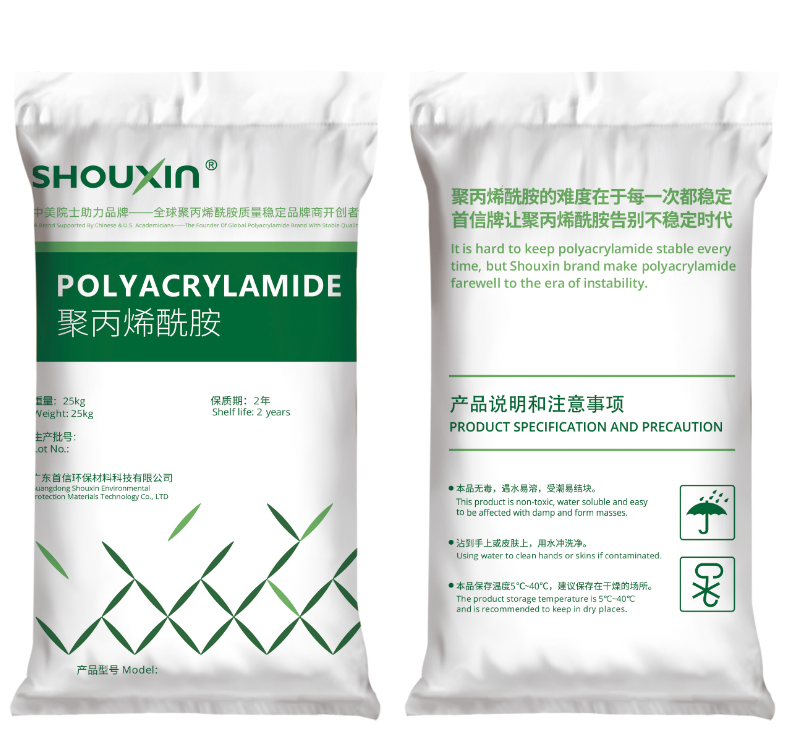
Why Choose Chinese Polyacrylamide Manufacturers for Cost-Effective Industrial Solutions
Shouxin Advanced Polymer Sciences provides high-performance polyacrylamide (PAM) solutions for water treatment, mining, pulp and paper, and industrial applications.