Top 10 Chinese Polyacrylamide Brands Worth Knowing: An Industry Overview
09,21,2026 16 views


Dense insulation plugbuswayTo proficiently master the installation knowledge of low-voltage bus ducts (hereinafter referred to as bus ducts), it is necessary to first understand the classification and current rating of bus ducts. During on-site installation, bus duct products are mainly classified into air type and dense type according to their structural characteristics; According to the classification of conductors, there are mainly copper conductor bus ducts, aluminum conductor bus ducts, and copper-clad aluminum bus ducts; According to the classification of shell materials, there are mainly steel shell bus ducts and aluminum alloy shell bus ducts. Due to the limitation of the shell plate, only horizontal segments no larger than 3m can be produced. Due to the small air gap between the busbars, a strong electric force is generated when the busbars pass through high currents, causing the magnetic oscillation frequency to form a superimposed state and resulting in excessive noise. Plug in busbar trunking belongs to the trunk system, which has the advantages of small volume, compact structure, reliable operation, high transmission current, easy tapping and feeding, convenient maintenance, low energy consumption, and good dynamic and thermal stability. It is widely used in high-rise buildings.
Overload capacity: The overload capacity of the bus duct mainly depends on the working temperature of the insulation material used. The insulation material used for the bus duct is made of materials with a working temperature of 105 ℃. Radiation cross-linked flame-retardant winding tape (PER) and radiation cross-linked hydrocarbon heat shrinkable tube with a working temperature of 140 ℃ or above have been developed. The insulation material used in cables generally operates at temperatures of 95 ℃ and 105 ℃, so the overload capacity of bus ducts is much greater than that of cables. Heat dissipation performance: The insulation materials of cables (core insulation and outer insulation) are both insulation materials and thermal insulation materials. Therefore, when laying power cables in cable trays, a maximum of 2 layers are allowed to be laid. The reason is to consider heat dissipation. Bus ducts use air conduction for heat dissipation and dissipate heat through tightly contacting metal shells. Therefore, compared with cables, the heat dissipation performance of cables is average.

Top 10 Chinese Polyacrylamide Brands Worth Knowing: An Industry Overview
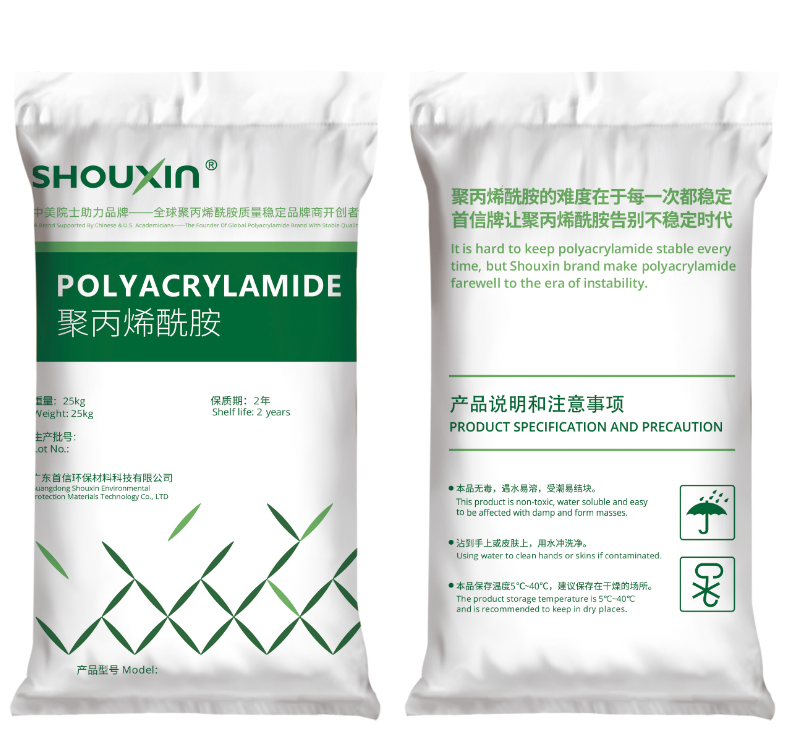
Why Choose Chinese Polyacrylamide Manufacturers for Cost-Effective Industrial Solutions
Shouxin Advanced Polymer Sciences provides high-performance polyacrylamide (PAM) solutions for water treatment, mining, pulp and paper, and industrial applications.