09,22,2026 18 views
New regulations for confined spaces
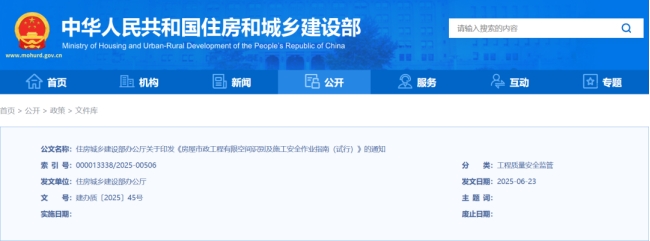
Recently,Issued by the Ministry of Housing and Urban Rural DevelopmentGuidelines for Identification and Construction Safety Operation of Limited Spaces in Housing and Municipal Engineering (Trial)The content includes general principles and basic regulations, limited space identification and scheme, safety equipment, on-site safety management requirements, emergency management, etc,Provide guidance for precise identification, rapid determination, prevention and resolution of risks in confined space operations.
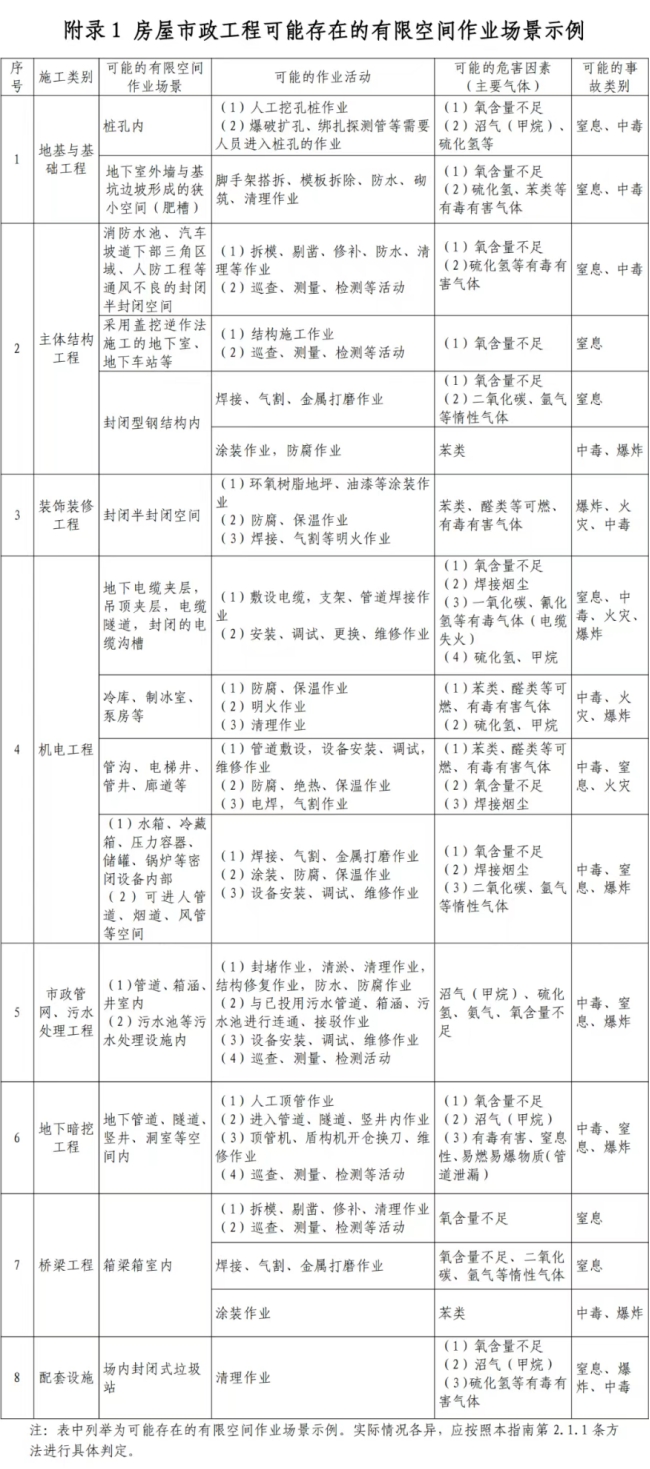
This guide lists the housing and municipal engineering projects14 possible limited space work scenarios included in 8 construction types.
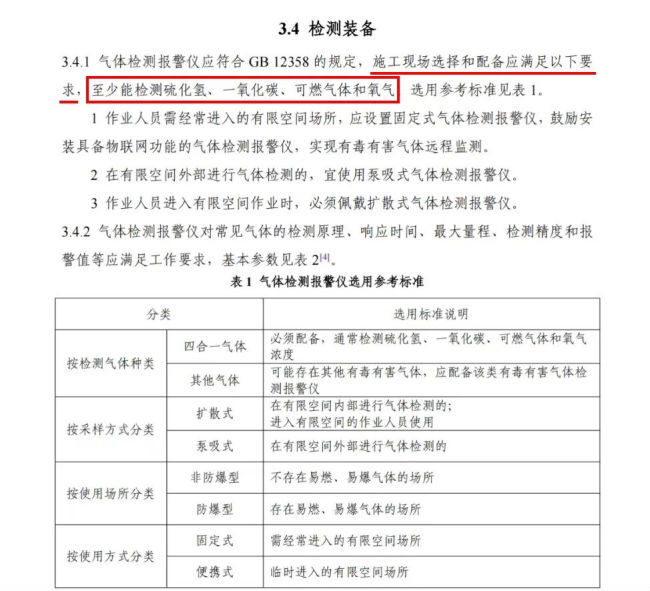
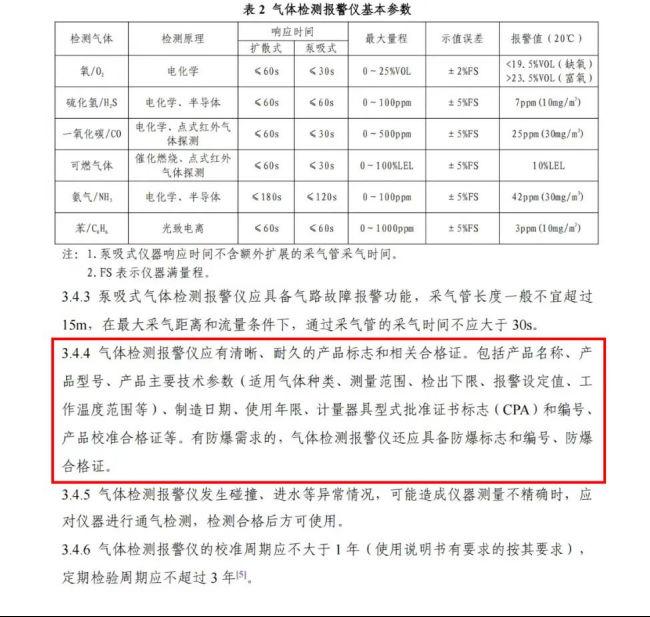
And corresponding safety checks and management measures have been clearly defined, such as when working in confined spaces,The portable gas detector selected must comply with the GB12358 standard and be able to detect at least the 'four killers' of hydrogen sulfide, carbon monoxide, combustible gases, and oxygen!
Comes with 9 practical tools
Appendix 1:Example of a confined space work scenario.List 8 typical hazardous scenarios in housing and municipal engineering (such as pile holes, sewage tanks, and inside box girders), and clarify the hazard factors (hypoxia/toxic gases/explosions) and accident categories corresponding to 36 types of work activities.
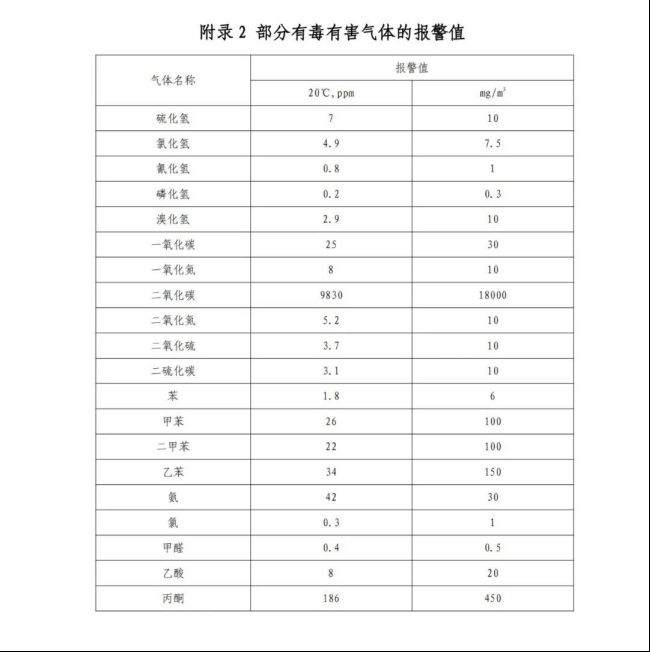
Appendix 2:Toxic and harmful gas alarm value.Establish real-time alarm thresholds for gases in a 20 ℃ environment (such as hydrogen sulfide ≥ 7ppm, carbon monoxide ≥ 25ppm, combustible gases ≥ 10% LEL).
Appendix 3:Example of a limited space homework ledger.Dynamic management template, covering job location, content, risk factors, construction plan, team leader, etc.
Appendix 4:Example of risk factor notification board.Visualize on-site warning signs, indicating the 'Seven Musts' principle, gas control standards, and emergency phone numbers.

Appendix 5:Example of training qualification identification.Personnel must hold a certificate of employment (including name, team, and validity period), which should be bound to the rotation training records.
Appendix 6:Example of a confined space work permit.The core document for homework approval includes a verification column for 6 safety measures, a validity period of ≤ 12 hours, and a signature column for completion confirmation.
Appendix 7:Example of gas detection record representation.Process monitoring form requires recording data on hydrogen sulfide/oxygen/combustible gases every 30 minutes.

Appendix 8:Example of inspection for confined space operations.The 7 major quantitative scoring forms (risk identification/equipment/training/on-site management/emergency response, etc.) adopt a deduction system.
Appendix 9:List of emergency rescue equipment.Distinguish between three types of materials: "mandatory allocation", "conditional allocation", and "recommended allocation".
Portable gas detector
The hazards of gases in confined spaces are not singular,There may be multiple risks simultaneously, such as hypoxia, toxicity, and flammability and explosiveness.Therefore, it is necessary to equip a composite gas detection alarm to achieve "one machine, multiple inspections".
Yao'an portable four in one gas detector, which can be called a 'limited space operation'ultimateProtective shield!Can detect simultaneouslyCombustible gases, oxygen, carbon monoxide, hydrogen sulfideWaiting for flammable, explosive, toxic and harmful gases,Gas types can be customized according to needs, truly achieving "one machine, four measurements". Once the gas concentration exceeds the standard, it will instantly activate the triple 'berserk alarm mode' of sound, light, and vibration reminders. The back crocodile clip design allows for easy movement with the clip, making it a 'safety guard' that grows on the body!
Summer high temperatures lead to a high incidence of accidents in confined spaces. With it, working in confined spaces is safe and worry free, providing protection for life safety!