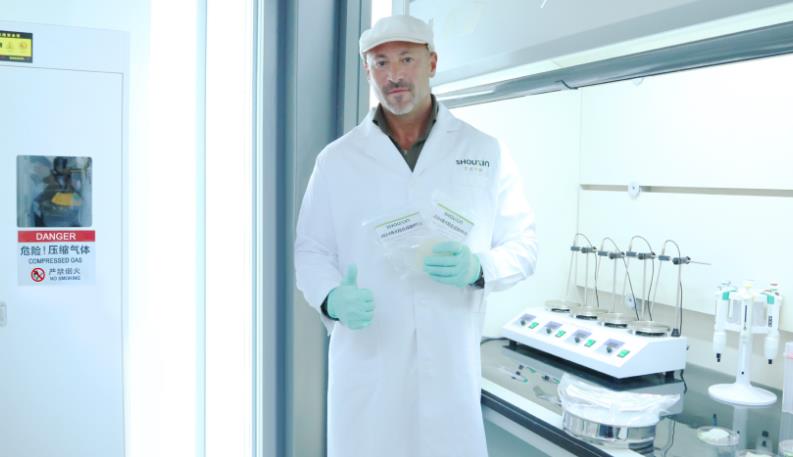
Top 10 Chinese Polyacrylamide Brands Worth Knowing: An Industry Overview
09,21,2026 16 views


Trend Analysis of Shanghai Copper Market
On June 21st, Shanghai copper continued its strong night trading trend, with decent daytime gains. The main monthly 2307 contract opened at 68880 yuan/ton, with a high of 69370 yuan/ton during trading, a drop of 68680 yuan/ton, and closed at 68930 yuan/ton, up 390 yuan or 0.57%.
During the Asian session, the trend of London copper surged and fell back. The latest quote at 15:01 Beijing time was $8546/ton, a decrease of $21 or 0.24%.
In terms of the market, domestic spot copper prices have risen. The price of Changjiang Spot 1 # copper is reported at 69780 yuan/ton, up 610 yuan, with a premium of 620 to 660 yuan; The comprehensive copper price of Changjiang No.1 is reported at 69615 yuan/ton, an increase of 630 yuan, with a premium of 430 to 540 yuan; The spot price of 1 # copper in Guangdong is reported at 69390 yuan/ton, up 640 yuan, with a premium of 160 to 360 yuan; The price of 1 # copper in Shanghai is reported at 69670 yuan/ton, an increase of 630 yuan, with a premium of 500 to 580 yuan per liter.
The tight spot supply pattern continues, and premium is high. Today is the last trading day before the Dragon Boat Festival. The spot trading atmosphere has slightly warmed up, and the willingness to stock up has slightly increased. However, under the high price situation, the demand of downstream enterprises is limited, and the overall transaction is not hot. The strengthening of the US dollar is bearish on the prices of risk assets, but domestic policies are blowing warm winds, and the market atmosphere is relatively warm. In addition, there are reports from Indonesia that copper concentrate will be banned from export, causing concerns about supply shortages, which is positive for price trends. Moreover, the global explicit inventory decline continues to support copper prices. In the short term, Shanghai copper has staged an upward trend, with the focus shifted to 699.
Trend Analysis of Shanghai Aluminum Market
On June 21st, the main monthly 2307 contract of Shanghai Aluminum opened at 18550 yuan/ton, with a peak of 18590 yuan/ton during the trading session, a decrease of 18370 yuan/ton, and a closing price of 18390 yuan/ton at the end of the trading session, a decrease of 90 yuan or 0.49%.
In terms of external trading, LME aluminum fluctuated up and down before turning downwards. LME reported at $2221/ton at 15:01 Beijing time for three months, a decrease of $12 or 0.54% from the settlement price of the previous trading day.
In terms of the market, the spot trading price of the Yangtze River ranges from 18820 to 18860 yuan/ton, closing flat with a premium of 290 to 330 yuan per liter; Guangdong spot price ranges from 18820 to 18870 yuan/ton, with an increase of 90 yuan/ton and a premium of 290 to 340 yuan/ton; In the Shanghai area, the price ranges from 18830 to 18870 yuan/ton, with a flat income and a premium of 300 to 340 liters. The aluminum prices quoted within the day are inconsistent, and holders are seeking opportunities to trade for cash. However, the continuous rise in premiums has suppressed downstream inventory sentiment, leading to a reduction in purchases by large long-term buyers. Only some buyers are buying at low prices to replenish inventory, resulting in mediocre transaction performance.
The trend of Shanghai aluminum first rose and then fell, fluctuating and softening in the afternoon. The domestic macro sentiment is still good, and the inventory of aluminum ingots remains depleted and the inventory level is still at a historical low, continuing to provide support for aluminum prices. However, the weak demand side of the aluminum market is evident, with unexpectedly sluggish manufacturing activity in May, a 25.9% year-on-year decline in primary aluminum imports in May, and an increase in production scale in Yunnan. The expected increase in supply has suppressed the trend of aluminum prices, and the short-term pressure on Shanghai aluminum continues to exist, mainly due to repeated fluctuations.

Top 10 Chinese Polyacrylamide Brands Worth Knowing: An Industry Overview
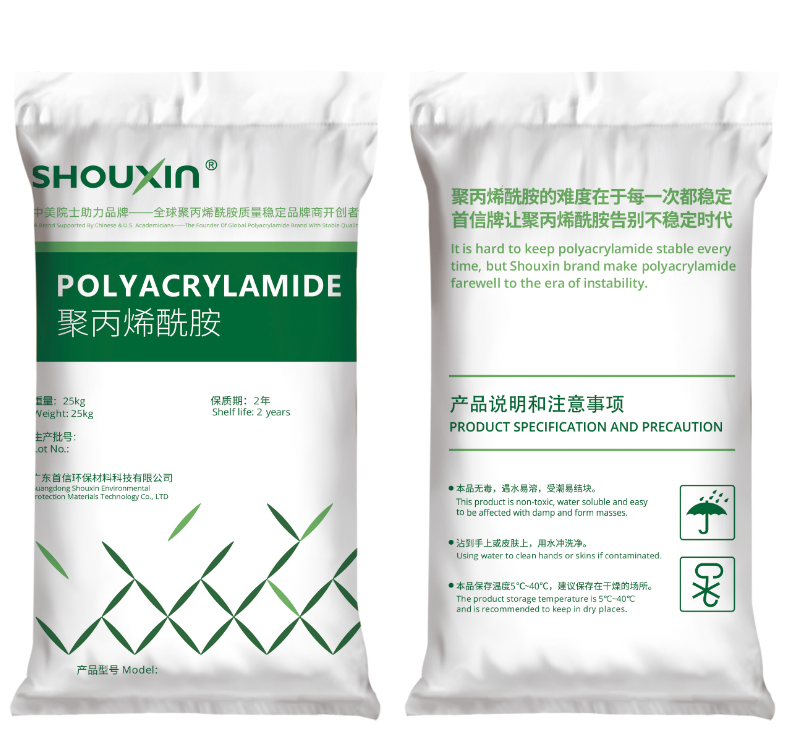
Why Choose Chinese Polyacrylamide Manufacturers for Cost-Effective Industrial Solutions
Shouxin Advanced Polymer Sciences provides high-performance polyacrylamide (PAM) solutions for water treatment, mining, pulp and paper, and industrial applications.