-
E-mail
1591259053@qq.com
-
Phone
15666889209
-
Address
Room 207, Building 1, Weifang High tech Zone Optoelectronic Industry Accelerator (Phase I), No. 155 Optical Circuit, Weifang High tech Zone, Shandong Province
Product Categories
Shandong Jingdao Optoelectronics Technology Co., Ltd
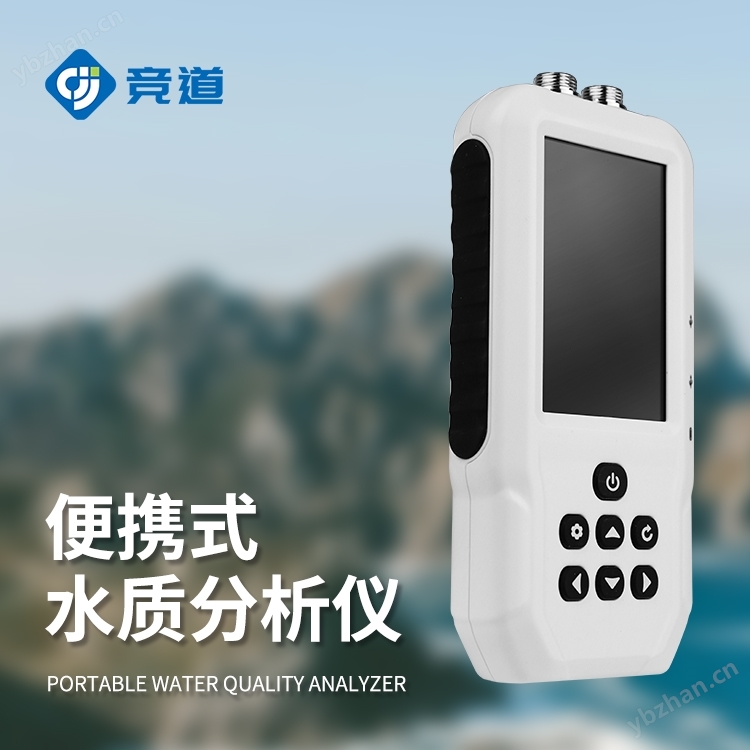
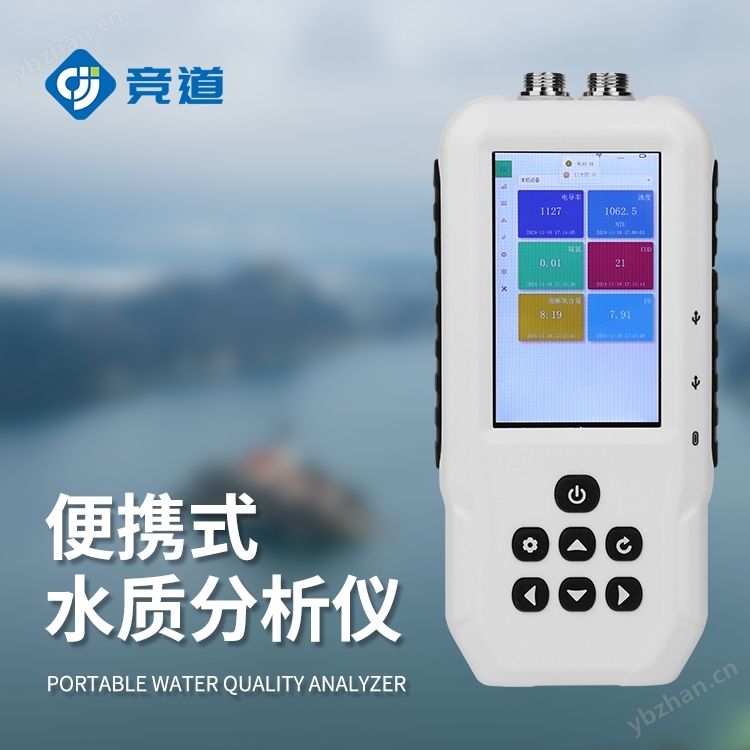
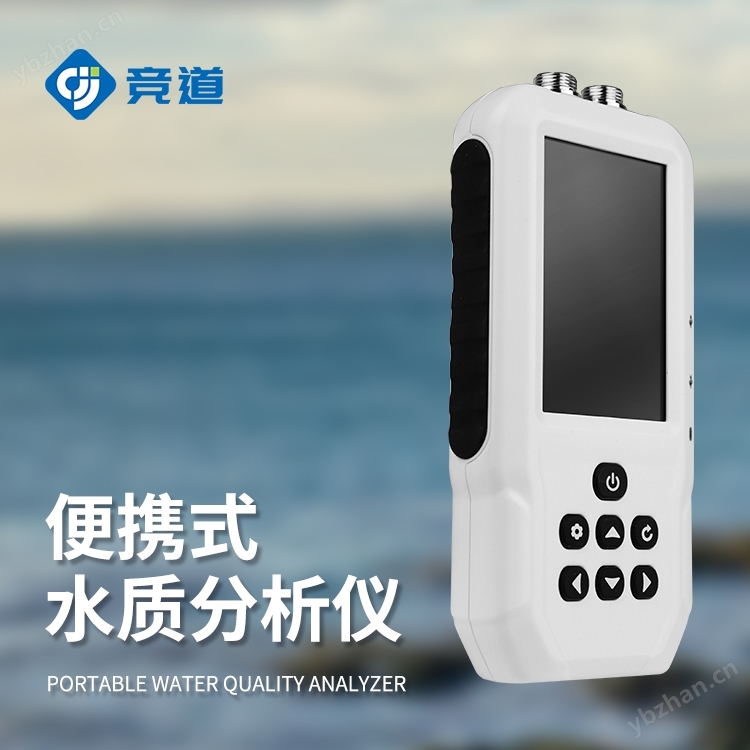
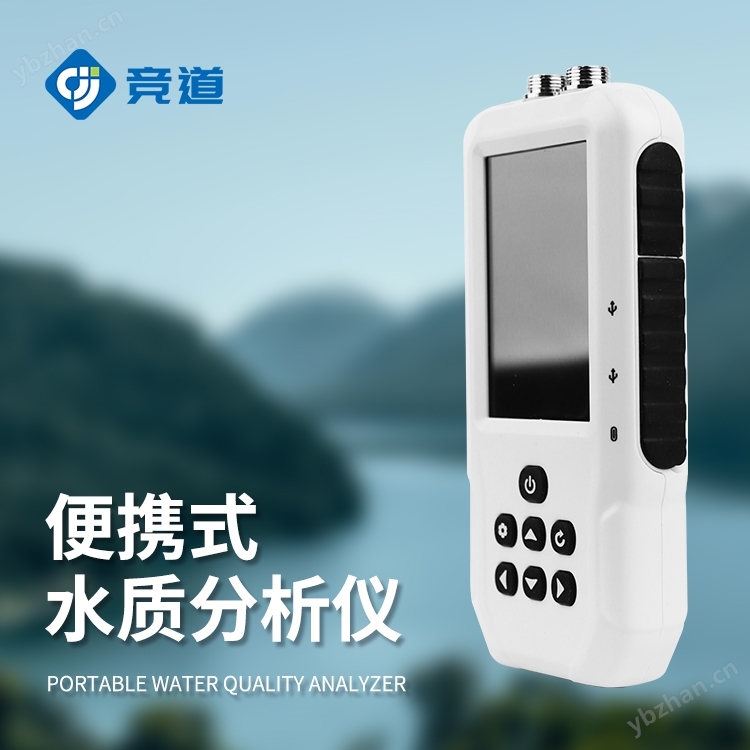
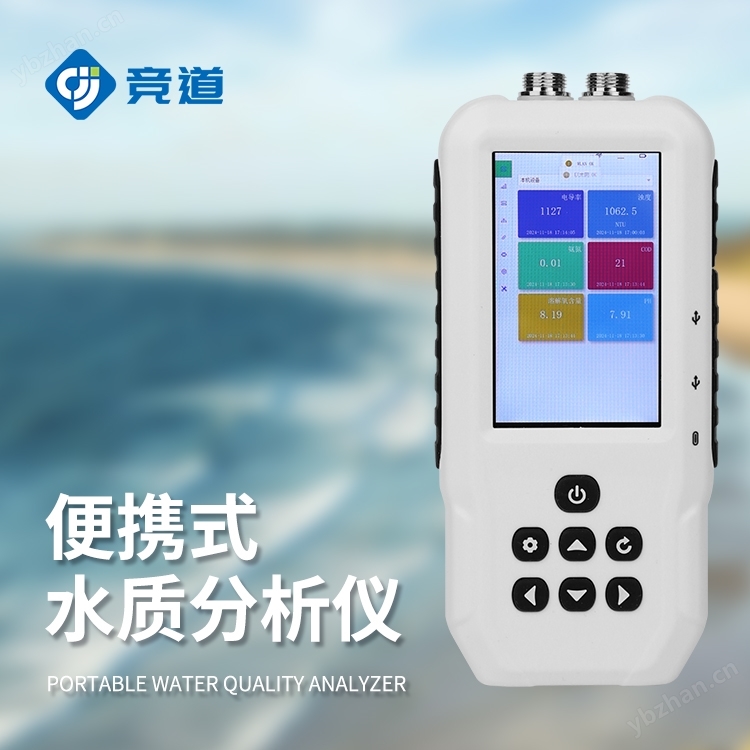
Aquaculture detection device
NegotiableUpdate on 11/20
- Model
- Nature of the Manufacturer
- Producers
- Product Category
- Place of Origin
Overview
The aquaculture detection device is designed specifically for aquaculture and is a powerful assistant in ensuring the quality of aquaculture water. It can accurately measure water temperature, which directly affects the metabolism of aquatic organisms. Suitable water temperature is crucial for aquaculture. It can also measure the oxidation-reduction potential (ORP) to reflect the oxidation-reduction capacity of water and help determine the health status of water quality. At the same time, it can detect acidity and alkalinity (pH), and a suitable pH value creates a good living environment for aquatic organisms. This detector is easy to operate and has intuitive readings. Farmers can quickly grasp key water quality parameters, adjust breeding strategies in a timely manner, prevent disease occurrence, and help improve breeding efficiency.
Product Details
Aquaculture detection deviceSpecially designed for aquaculture, it is a powerful assistant in ensuring the quality of aquaculture water. It can accurately measure water temperature, which directly affects the metabolism of aquatic organisms. Suitable water temperature is crucial for aquaculture. It can also measure the oxidation-reduction potential (ORP) to reflect the oxidation-reduction capacity of water and help determine the health status of water quality. At the same time, it can detect acidity and alkalinity (pH), and a suitable pH value creates a good living environment for aquatic organisms. This detector is easy to operate and has intuitive readings. Farmers can quickly grasp key water quality parameters, adjust breeding strategies in a timely manner, prevent disease occurrence, and help improve breeding efficiency.
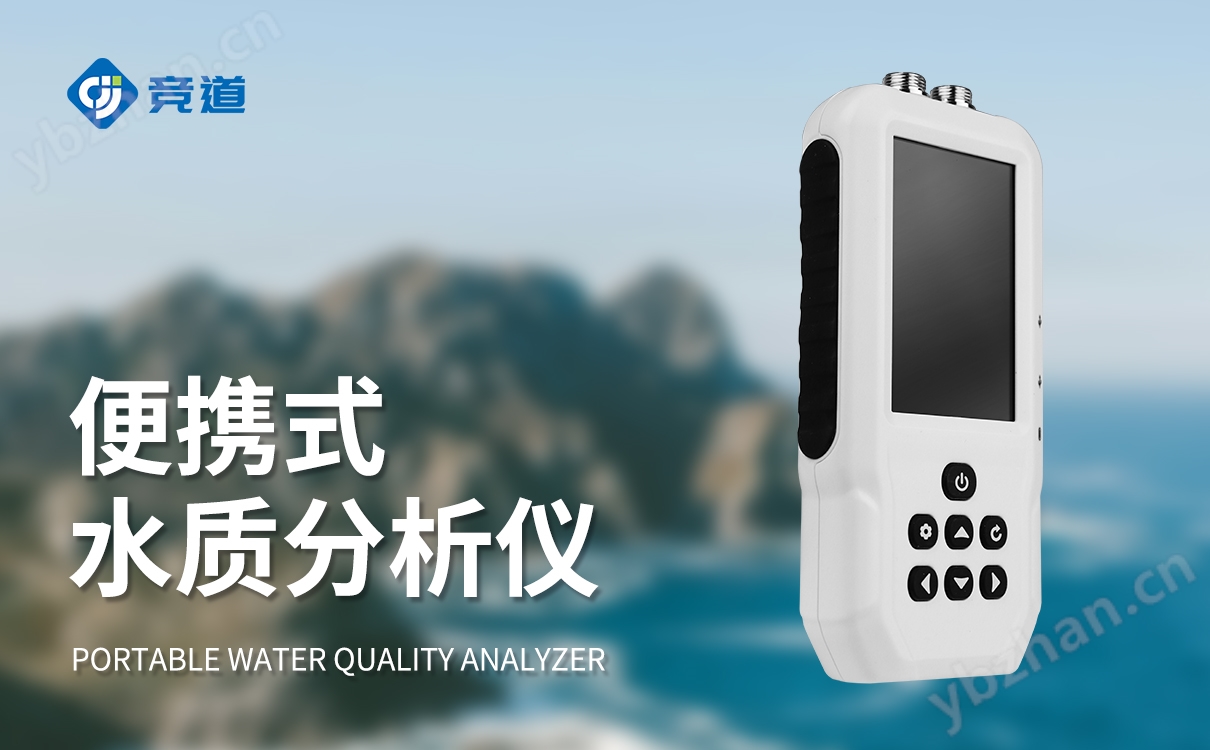
1Aquaculture detection deviceProduct Introduction
The SS03A portable multi parameter water quality analyzer is an electrode based water quality analysis instrument that uses fully digital electrodes for detection. It can measure water temperature, ORP, and pH parameters. The instrument is equipped with a self-developed FTIOT operating system, which is easy to operate, stable in performance, accurate in measurement, and has a wide detection range. It is also equipped with a high-capacity rechargeable lithium battery, making it convenient for users to conduct water quality testing in the field or laboratory at any time.
2、 Host parameters
| Charging input voltage | 4.5V-5.5V |
| charging current | <2A |
| screen size | 3.5 inches |
| screen resolution | 480*800 ☆ |
| Screen interface | MIPI DSI ☆ |
| USB port | 2 (Supports external mouse, keyboard, 4G, etc.) ☆ |
| Type-C | 1 (Supports external mouse, keyboard, 4G, etc.) ☆ |
| RS485 | 2 (Supports Modbus, JSON, ASC inputs, etc.) |
| External sensor supply voltage | 12V |
| External sensor power supply current | 1A |
| operating system | Ftiot (based on Linux-5.4) ☆ |
| CPU | 2*Cotex-A7,650Mhz ☆ |
| RAM | 512M DDR3 ☆ |
| Flash | 8G-64G |
| OpenGL | ES 2.0 ☆ |
| Wifi | support |
| 4G | optional |
| button | support |
| Capacitive touch screen | support |
| software architecture | B/S ☆ |
| Web access | Support ☆ |
| MTP mode | Support ☆ |
| Multi terminal login | Support ☆ |
| IPv6 | Support ☆ |
| Sensor communication method | RS485、TCP、UDP、Http ☆ |
| Data forwarding method | RS485、TCP、UDP、Http ☆ |
| Remote SSH | Support ☆ |
| remote debugging | Support ☆ |
3、 Sensor parameters and configuration
| serial number | name | measurement range | principle | measurement accuracy | resolution | configuration | Remarks |
| 1 | temperature | 0~50℃ | High precision digital sensor | ±0.3℃ | 0.01℃ | ✔ | |
| 2 | pH | 0~14(ph) | Electrochemistry (salt bridge) | ± 0.1PH | 0.01 | ✔ | |
| 3 | ORP | -1500mv~1500mv | Electrochemistry (salt bridge) | ± 6mv | 1mV | ✔ | |
| 4 | conductivity | 0~5000uS/cm,0~10000uS/cm | Contact electrode method | ± 1.5% | 1uS/cm | ||
| 5 | TDS | 0-10000ppm 0-200ppt | Contact electrode method | ±1.5%; ±0.1°C | 1ppm 0.01ppt | ||
| 6 | salinity | 0-10000ppm 0-200ppt | Contact electrode method | ±1.5%; ±0.1°C | 1ppm 0.01ppt | ||
| 7 | Sludge concentration | 0~20.000g/L | scattered light method | ± 5% (depending on sludge homogeneity) | 0.001g/L | ||
| 8 | turbidity | 0~40NTU (low turbidity) | scattered light method | ± 1% | 0.1NTU | Optional | |
| 0~1000NTU (medium turbidity) | scattered light method | ± 1% | |||||
| 0~3000NTU (high turbidity) | scattered light method | ± 1% | |||||
| 9 | dissolved oxygen | 0~20mg/L | Fluorescence lifetime method | ± 2% | 0.01mg/L | ||
| 10 | ammonia nitrogen | 0~1000mg/l | Ion selective electrode method | 10% of the reading, ± 0.5 ℃ | 0.01mg | ||
| 11 | suspended solids | 0~2000mg/L | scattered light method | ± 5% (depending on sludge homogeneity) | 0.1mg/L | ||
| 12 | residual chlorine | 0~5.00 mg/L | Ion selective electrode method | ± 5% of the reading | 0.01mg/L | The best accuracy is achieved when the flow rate is between 0.42m/s and 0.85m/s | |
| 13 | chloride ion | 0-3500.0mg/L | Ion selective electrode method | ±5% | 0.1mg/L | ||
| 14 | Total Hardness | 0~1000.0mg/L | Ion selective electrode method | ± 10% of the reading | 0.1mg/L | ||
| 15 | cod | 0~500mg/ L | UV254 absorption method | ±5% | 0.1mg/L | COD and chlorophyll are equipped with automatic cleaners to prevent biological attachment and avoid light window pollution, ensuring long-term monitoring stability; Automatic cleaning time and frequency can be set, with a power consumption of 0.7W | |
| 16 | chlorophyll | 0~400ug/L | fluorescence method | R2>0.999 | 0.01ug/L |