-
E-mail
hthyyq@163.com
-
Phone
13717927023
-
Address
No. 36, Taiyanggong, Xibahe Beili, Chaoyang District, Beijing
Product Categories
Beijing Aerospace Huayu Test Instrument Co., Ltd

Asphalt mixture bending beam flowmeter
NegotiableUpdate on 05/22
- Model
- Nature of the Manufacturer
- Producers
- Product Category
- Place of Origin
Overview
Principle and Application of Asphalt Mixture Bending Beam Rheometer: To measure the low-temperature creep stiffness of asphalt binder, evaluate the low-temperature crack resistance of asphalt, and focus on reflecting the ability to resist temperature shrinkage cracking
Product Details
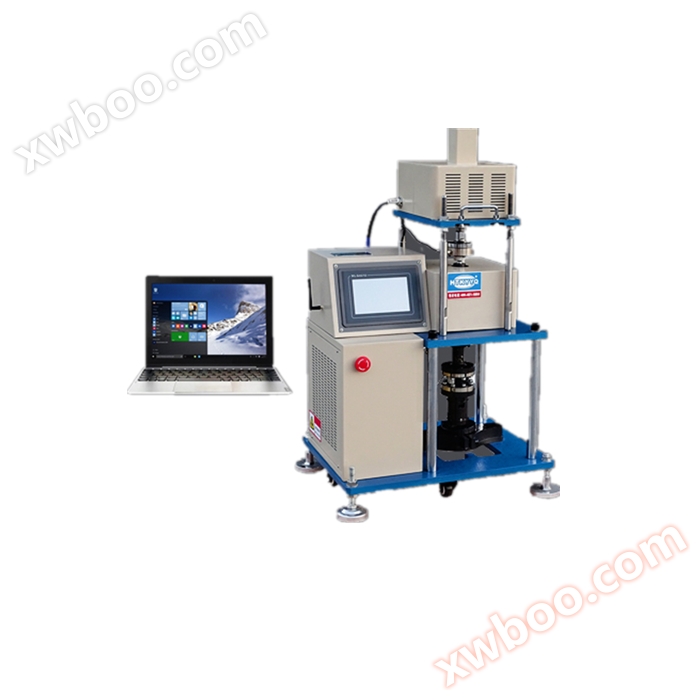
The ATS Bending Beam Rheometer (BBR) is designed according to ASTM D6648-01 and AASHTO T313-02 for conducting bending tests on asphalt binders and similar specimens. These tests were initially conducted by the Strategic Highway Research Program (SHRP) in the United States, which applied a constant load to specimens stored in frozen liquid to determine their deformation rates at different temperatures
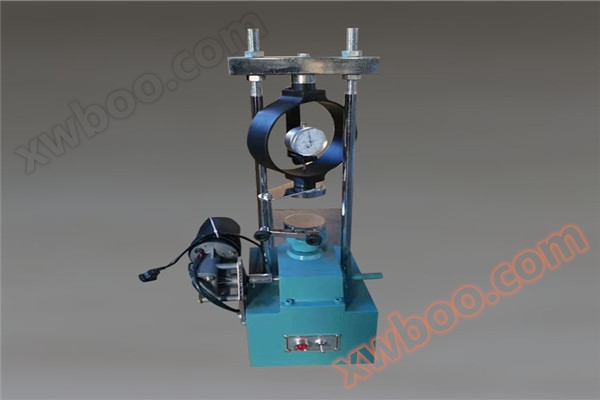
Asphalt mixture bending beam flowmeter
1. Durable and corrosion-resistant structure
2. Computer control, data acquisition and analysis
3. PID temperature control with digital display
4. Two independent platinum resistance RTDs can accurately control temperature
5. Fluorine free and environmentally friendly mechanical refrigeration water bath
6. The built-in displacement sensor LVDT and temperature compensated force sensor can make the results more accurate
7. Patent air bearings ensure stable and precise loading
8. Complete set of calibration tools and carrying case
9. ASTM/AASHTO standard test mold
The asphalt mixture bending beam rheometer adopts a fluorine free and environmentally friendly mechanical refrigeration (non semiconductor refrigeration) stainless steel material water bath, which does not require freezing liquid:
1. Load sensor: 500g (temperature compensation), with overload protection
2. Displacement sensor: LVDT displacement sensor, 6.35mm, maintains a resolution of 2 μ m within the testing calibration range
3. Temperature control: PID temperature control with digital display, two independent platinum resistance RTDs can accurately control temperature
4. Software and data display: Display load, displacement, and water bath temperature for easy setting and operation. Real time display of load, displacement, and water bath temperature curves during testing
5. Equipped with step plate calibration components
6. Test temperature range: -40 ℃~room temperature; The lowest temperature reaches -40 ℃
7. Test load: Maintain an accuracy of ± 0.5g during the testing process from 0 to 200g
Similar Product Recommend