-
E-mail
386030259@qq.com
-
Phone
13673617114
-
Address
Zhenxing Road, Mazhai Industrial Park, Erqi District, Zhengzhou City
Product Categories
- Sludge treatment equipment
- Household waste pyrolysis equipment
- Biomass fuel molding machine
- Biomass pyrolysis equipment
- Industrial solid waste treatment equipment
- Sludge pyrolysis equipment
- Biomass gasification combustion machine
- Household waste treatment equipment
- Biomass pyrolysis burner
- Medical waste disposal equipment
- Industrial solid waste pyrolysis equipment
Zhengzhou Xindi Machinery Equipment Co., Ltd

Biomass pyrolysis furnace
NegotiableUpdate on 04/15
- Model
- Nature of the Manufacturer
- Producers
- Product Category
- Place of Origin
Overview
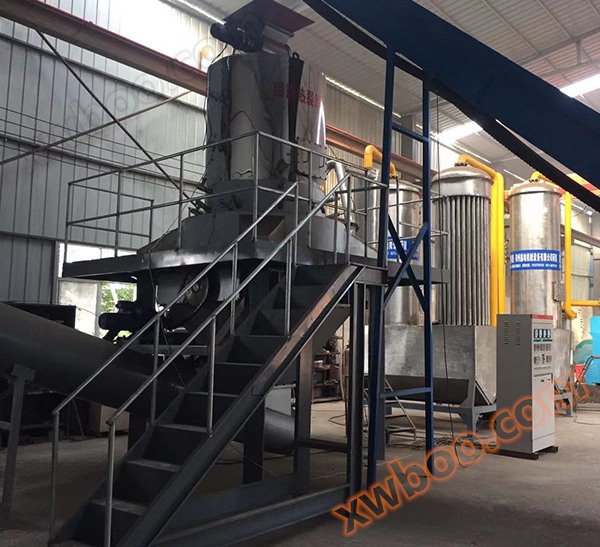
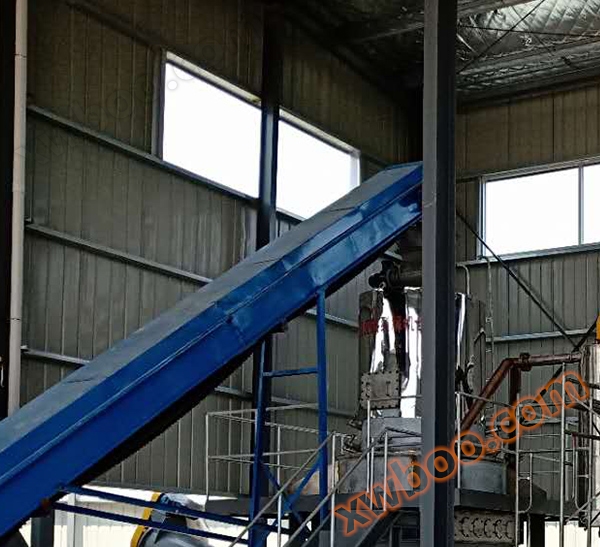
The design purpose is to feed the subsequent equipment and select large interfering materials from household waste during the material conveying process to avoid affecting the processing effect of subsequent processing steps. Currently, the equipment for this part is still selected as a plate feeder or a stepper feeder. This design uses a chain plate feeding and fabric integration machine
Product Details
The design purpose is to feed the subsequent equipment and select large interfering substances from household waste during the material conveying process to avoid affecting the processing effect of subsequent processing steps. Currently, the equipment for this part is still selected as a plate feeder or a stepper feeder. In this design, a chain plate feeding and fabric integration machine is selected.

In traditional waste incineration, the direct combustion method is prone to produce dioxins, which require four basic conditions for their formation: chlorine, oxygen, lower temperature, and catalyst; There are two conditions for the formation of dioxins: low-temperature production inside the furnace and synthesis of flue gas outside the furnace. Chlorine elements such as plastics in garbage are more likely to produce dioxins at temperatures of 250-350 ℃ and increase with the increase of oxygen concentration. Organic or inorganic chlorine gas in flue gas fly ash and catalysts (copper, iron and other oxides) catalyze the synthesis of dioxins. Therefore, the standard GB 18485-2014 for pollution control of municipal solid waste incineration requires the furnace temperature to be ≥ 850 ℃, and requires a sharp decrease in flue gas temperature and a reduction in copper, iron and other oxides in the waste.
Traditional waste incineration is a direct oxygen enriched incineration method, which involves burning waste in a furnace at around 1000 ℃ without any hierarchical oxygen enriched flames. Although dioxins are cracked at high temperatures, they are also regenerated into dioxins during the flue gas emission process under the catalytic action of HCL and CuCL2 elements. Moreover, smoke and dust are directly emitted into the environment, polluting the environment and often causing mass incidents.
The low-temperature and oxygen deficient pyrolysis device for municipal solid waste in urban communities and residential areas is the opposite of direct incineration. It uses anaerobic or extremely low oxygen pyrolysis without open flame combustion. Under low-temperature and oxygen deficient conditions, dioxins cannot be synthesized (eliminating the synthesis conditions of dioxins), and copper, aluminum, iron metals, etc. in the waste are not easily oxidized under low-temperature and oxygen deficient conditions, making it difficult to produce dioxins as catalysts.
Thermal decomposition of municipal solid waste in urban communities and residential areas is the process of producing combustible gases and charcoal from the waste under thermal conditions that isolate oxygen or have little oxygen, without emitting dust or harmful gases.