-
E-mail
1591259053@qq.com
-
Phone
15666889209
-
Address
Room 207, Building 1, Weifang High tech Zone Optoelectronic Industry Accelerator (Phase I), No. 155 Optical Circuit, Weifang High tech Zone, Shandong Province
Product Categories
Shandong Jingdao Optoelectronics Technology Co., Ltd



Bridge deck temperature sensor
NegotiableUpdate on 11/20
- Model
- Nature of the Manufacturer
- Producers
- Product Category
- Place of Origin
Overview
Bridge deck temperature sensors are important equipment for ensuring the safety and normal use of bridges. It is mainly used for precise measurement of bridge deck temperature and timely reflection of the impact of temperature changes on the bridge deck. This sensor often uses high-precision thermistor or thermocouple technology, which can sensitively sense temperature fluctuations and quickly convert temperature signals into electrical signals for reading. It is sturdy and durable, and can adapt to complex outdoor environments such as high and low temperatures, rain and snow, strong winds, etc. In practical applications, this device is widely installed on various types of bridges, providing key data for bridge maintenance and management. By monitoring temperature, damage to bridge expansion joints and concrete caused by temperature changes can be prevented
Product Details
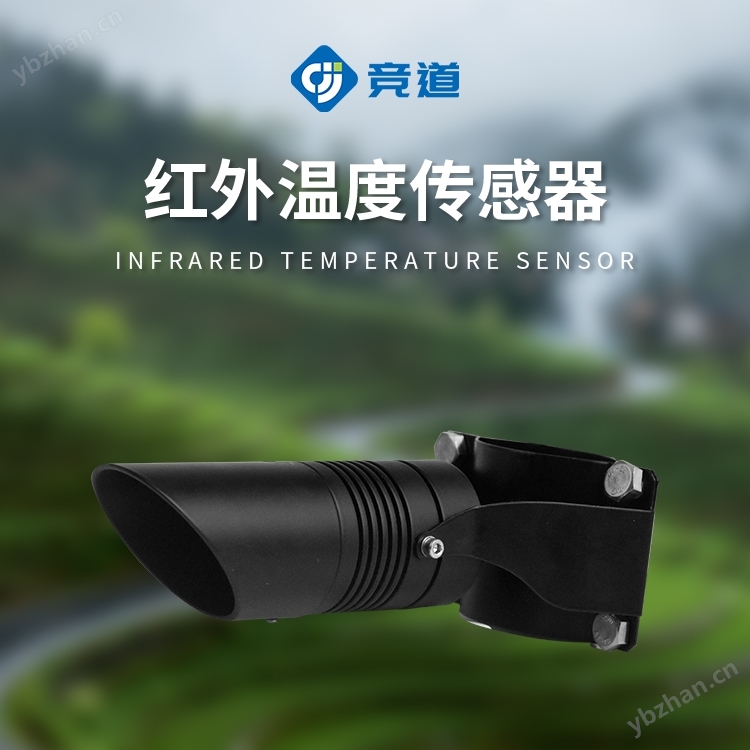
Bridge deck temperature sensorIt is an important equipment to ensure the safety and normal use of bridges. It is mainly used for precise measurement of bridge deck temperature and timely reflection of the impact of temperature changes on the bridge deck. This sensor often uses high-precision thermistor or thermocouple technology, which can sensitively sense temperature fluctuations and quickly convert temperature signals into electrical signals for reading. It is sturdy and durable, and can adapt to complex outdoor environments such as high and low temperatures, rain and snow, strong winds, etc. In practical applications, this device is widely installed on various types of bridges, providing key data for bridge maintenance and management. By monitoring temperature, problems such as damage to bridge expansion joints and concrete cracking caused by temperature changes can be prevented, ensuring the safety of bridge structures and smooth driving.

1、 Product Introduction
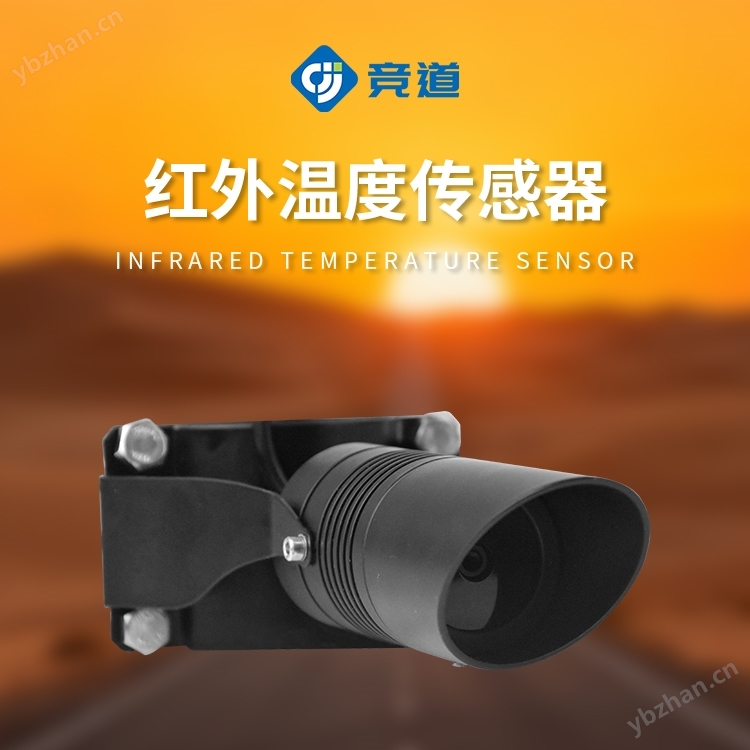
Bridge deck temperature sensorIt is an integrated infrared temperature detector. The optical system and electronic circuit are integrated together in a metal casing. The protective cover is easy to install and has a 90 ° adjustable bracket; To meet various field conditions for installation and continuous measurement.
The sensor is composed of a thermopile and a thermistor inside. All objects constantly emit infrared radiation energy into the surrounding space. By measuring the infrared energy emitted by themselves, their surface temperature can be accurately determined. This is the principle of non-contact infrared temperature measurement. The infrared thermometer can calculate the surface temperature of an object by measuring the intensity of infrared radiation emitted by the target without touching the target, which is its biggest advantage.
2、 Application scope
Remote measurement of road surface temperature on highways
Bridge deck temperature monitoring
Monitoring of plant canopy temperature
Monitoring of grass temperature, soil surface or snow surface temperature
3、 Technical parameters
Measurement range: -40 ℃ -125 ℃
Measurement accuracy: ± 1% or ± 1 ℃
Perspective: D: S=11:1
Display resolution: 0.01 ℃
Response time: 1 second
Working band: 8-14um
Output mode: RS485
Communication protocol: ModBus RTU
Working conditions: -40-85 ℃; 0—100% RH
Power supply voltage: DC12-24V
Power consumption:<5W
4、 Advantages
Infrared temperature sensors play a crucial role in traffic monitoring and road maintenance, with significant advantages in multiple aspects.
Firstly, it has high precision. It can accurately measure road surface temperature with minimal error range, and can obtain accurate data in real time, providing reliable basis for traffic management departments and road maintenance units, and assisting in accurate decision-making.
Secondly, it has strong real-time performance. It can continuously monitor changes in road surface temperature, providing timely feedback on temperature information regardless of day, night, sunny or rainy days. Under J-end weather conditions, it can quickly capture sudden temperature changes and provide early warning of possible road surface diseases, such as ruts caused by high temperatures and frost heave caused by low temperatures.
Thirdly, it has good stability. Having excellent anti-interference ability, it can work stably in complex and harsh road environments, without being affected by factors such as vehicle vibration and electromagnetic interference, ensuring the stability and accuracy of data transmission.
Fourthly, it is easy to install. The design is reasonable, the installation process is simple, and it can be flexibly arranged at different positions on the road surface according to actual needs, which is convenient for large-scale laying and application, and provides convenience for comprehensive monitoring of road surface temperature conditions.