-
E-mail
yongnianda@163.com
-
Phone
13673182251,18630525666
-
Address
Room 1501, Poly Cube Apartment H3, No. 58 North Second Ring East Road, Chang'an District, Shijiazhuang City, Hebei Province
Product Categories
Shijiazhuang Yongnian Da Electromechanical Equipment Co., Ltd

CNC four sided groove forming machine
NegotiableUpdate on 05/03
- Model
- Nature of the Manufacturer
- Producers
- Product Category
- Place of Origin
Overview
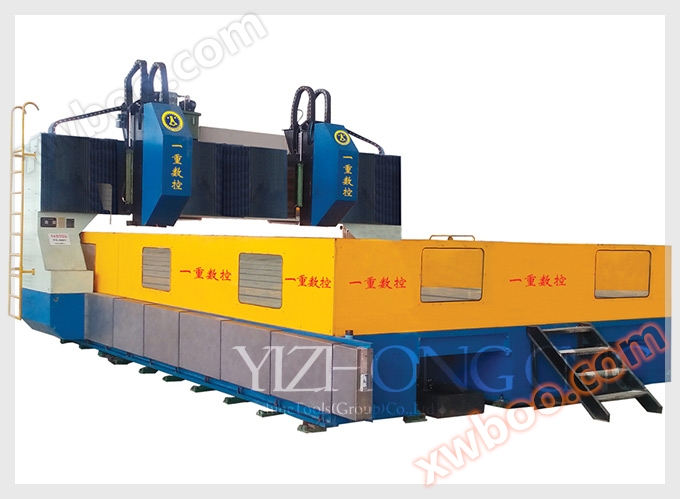
The CNC four sided groove forming machine is a device that can complete the processing of grooves, downhill edges, and blunt edges on the four sides of a sheet metal in one feeding operation
Product Details
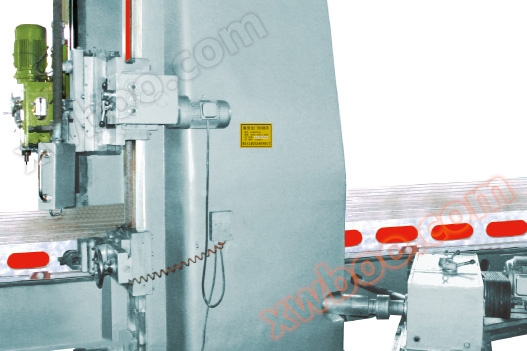
The CNC four sided groove forming machine is a device that can complete the processing of grooves, downhill edges, and blunt edges on the four sides of a sheet metal in one feeding operation. After the sheet metal is lifted to the centering conveyor platform, the CNC system automatically aligns and positions the sheet metal by feeding and locking each milling unit of the host according to the input parameters, and pulls the sheet metal backwards to the end host for processing the end groove. After the end bevel processing is completed, the traction plate material is transported forward along the linear guide through the middle main machine, synchronously completing the processing of the two long sides, the upper and lower slopes, and the blunt edge. It is then transported forward to the front bevel main machine to process the other end bevel. One positioning and four side processing ensure the perpendicularity and length accuracy of the four edges, with a diagonal error of 2mm (for a 10m long workpiece)
Characteristics of this type of machine:
High processing efficiency
1) The maximum feed rate of sheet metal is 8m/min
2) Simultaneous processing of multiple edges of the sheet metal, including up and down slopes and blunt edges, can be completed in one feeding operation
High processing accuracy
1) Processing sheet metal straightness ≤ 0.5mm/10000mm
2) Processing sheet width accuracy ≤ 0.5mm
3) Groove surface roughness Ra ≤ 12.5um
High degree of automation
The functions of sheet metal centering, positioning, feeding, groove angle adjustment, cutting accuracy control, host locking, heat dissipation and chip removal, and feeding and discharging are all automatically controlled.
This model can achieve processing of different groove forms such as I, V, K, U without the need to replace the cutter head. Changed the cutting methods of traditional equipment such as edge planers and milling machines, not only greatly improving efficiency, but also achieving the industry standard roughness and straightness for one-time forming and metal cutting.
Similar Product Recommend