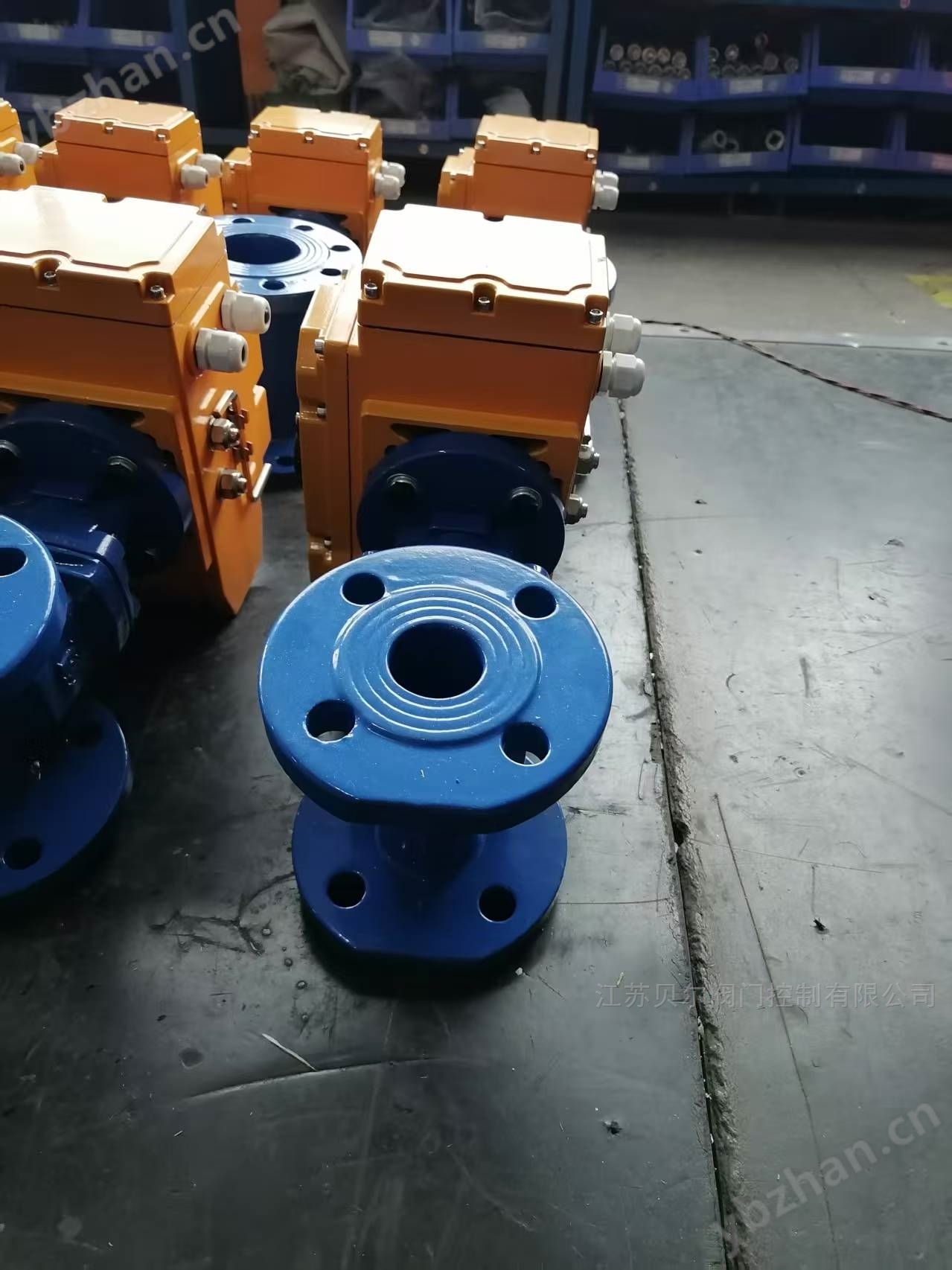
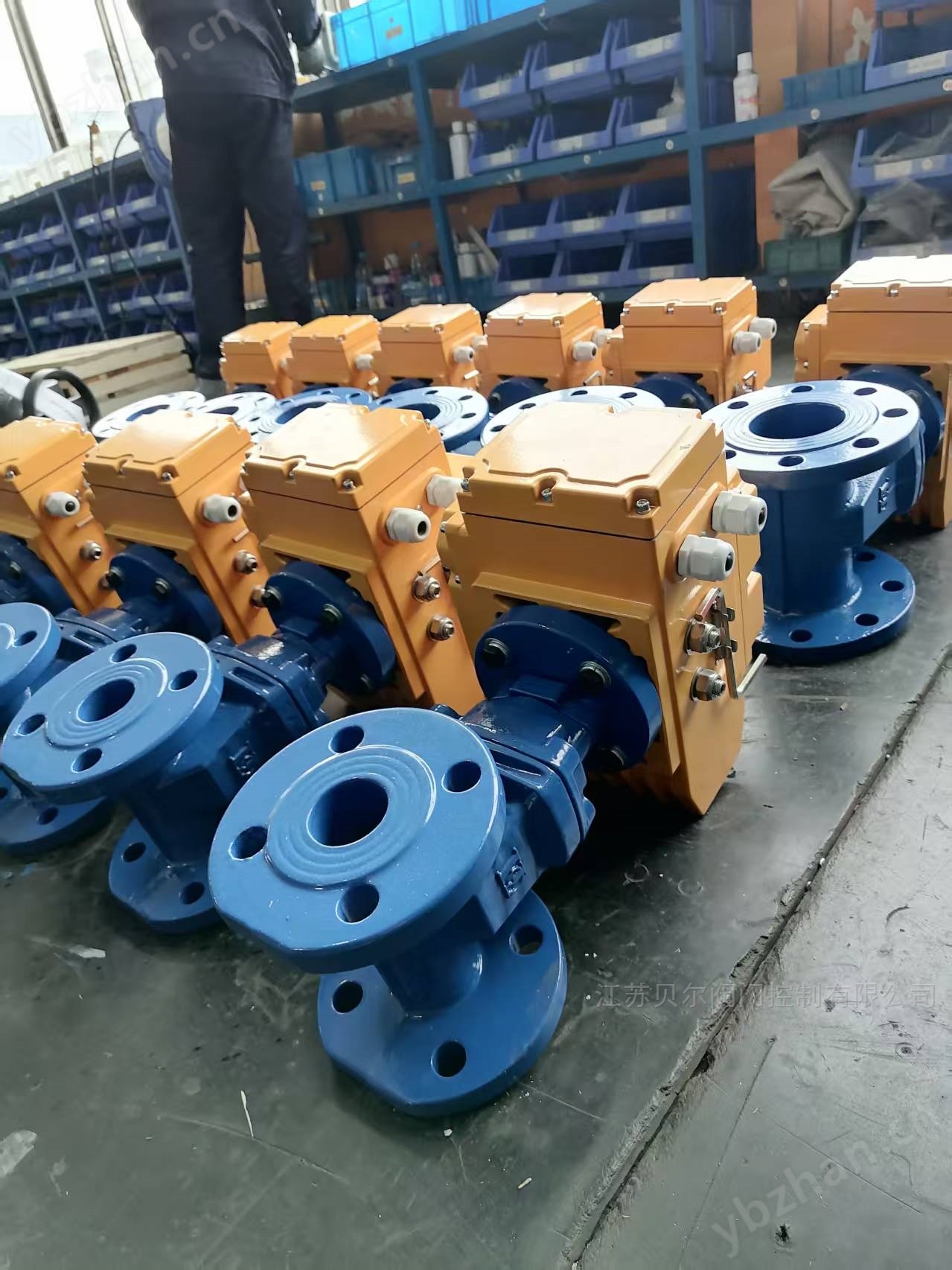
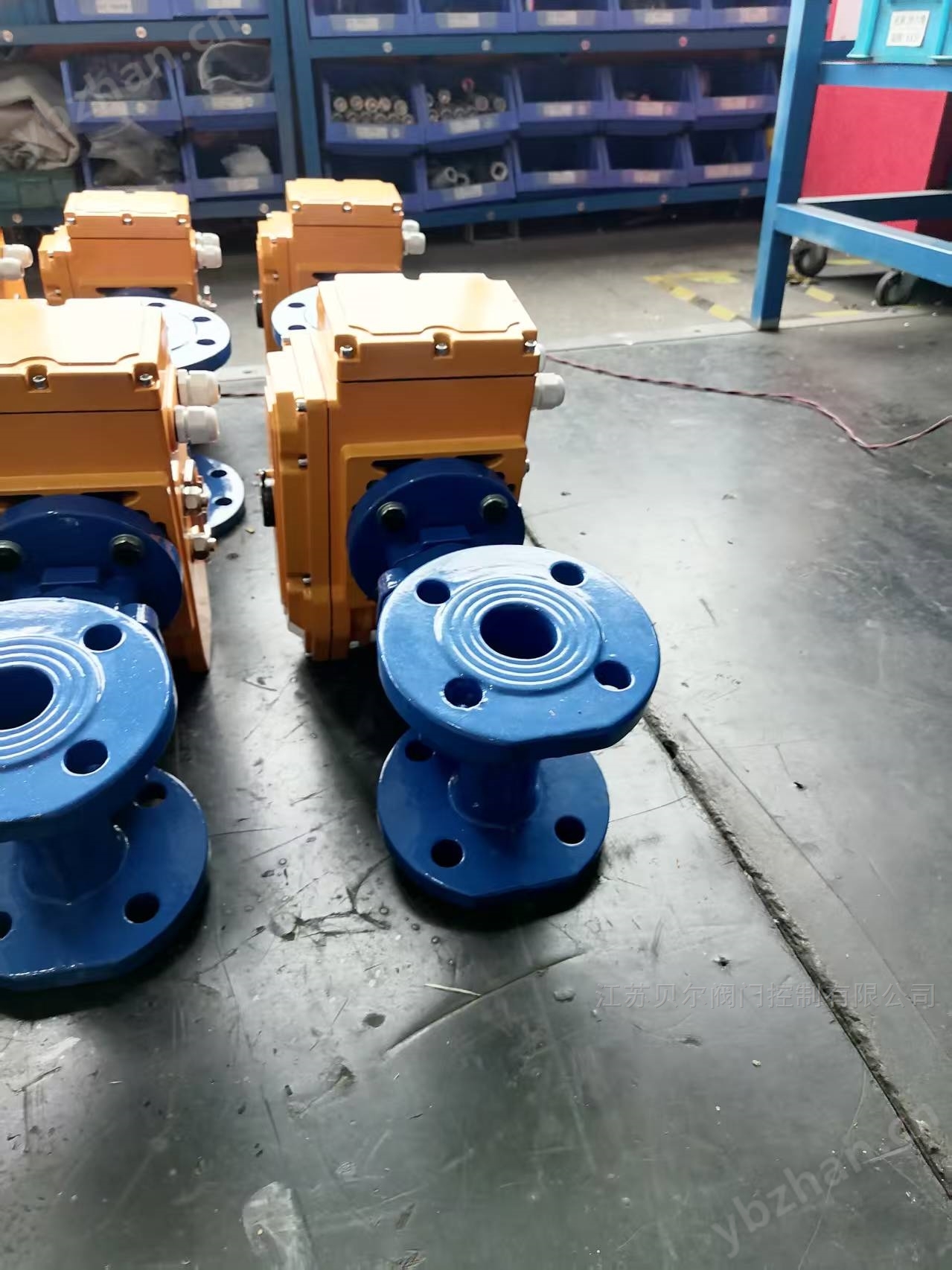
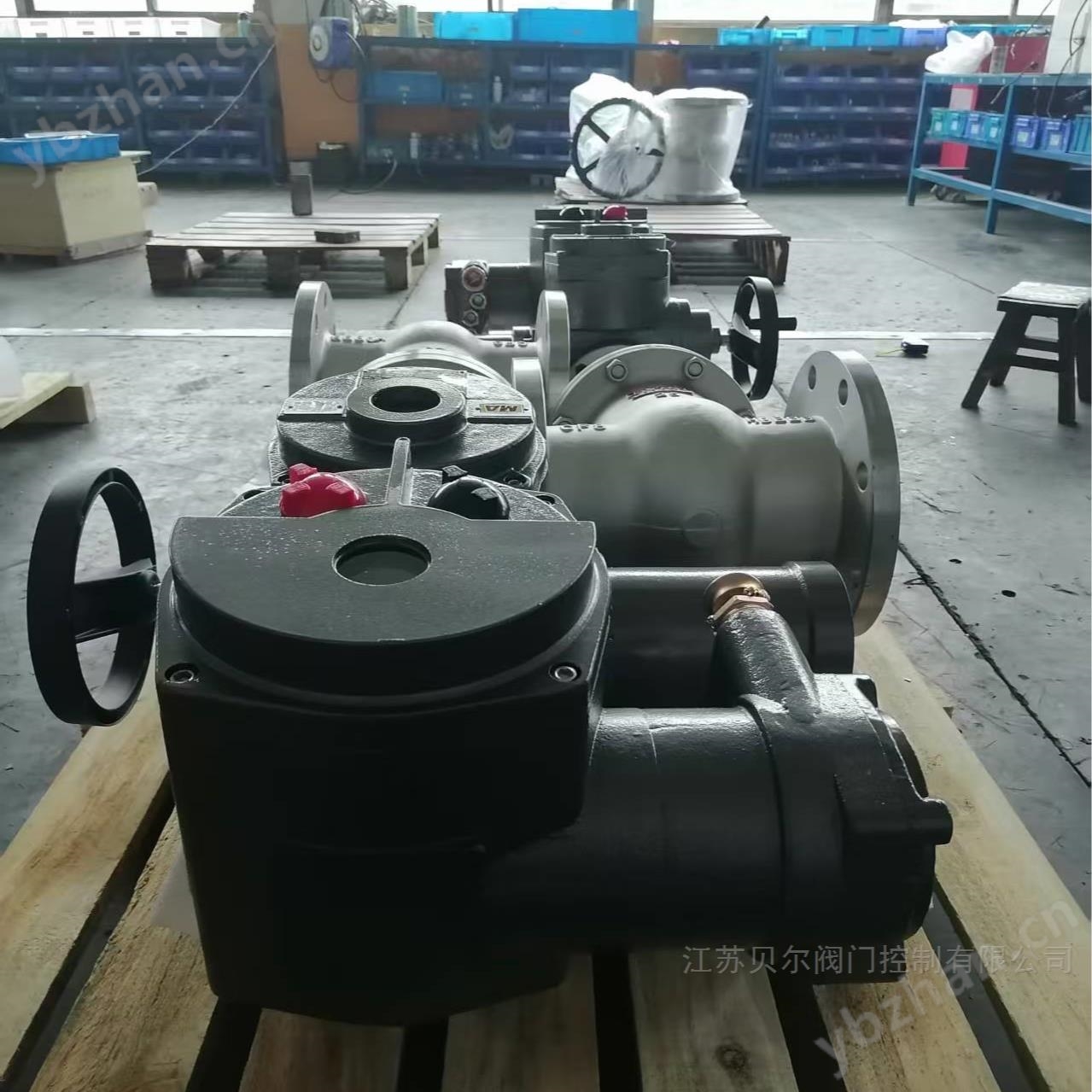
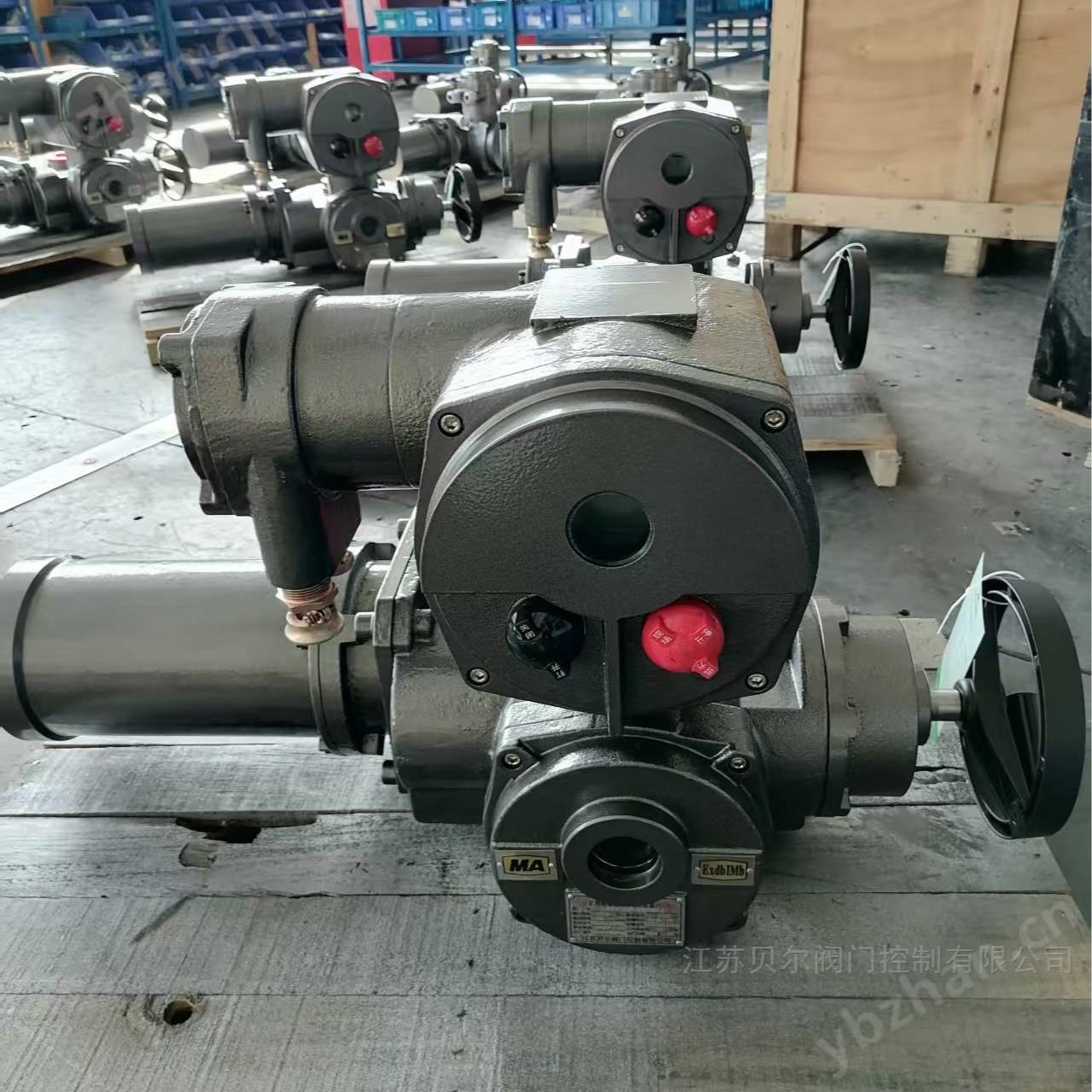
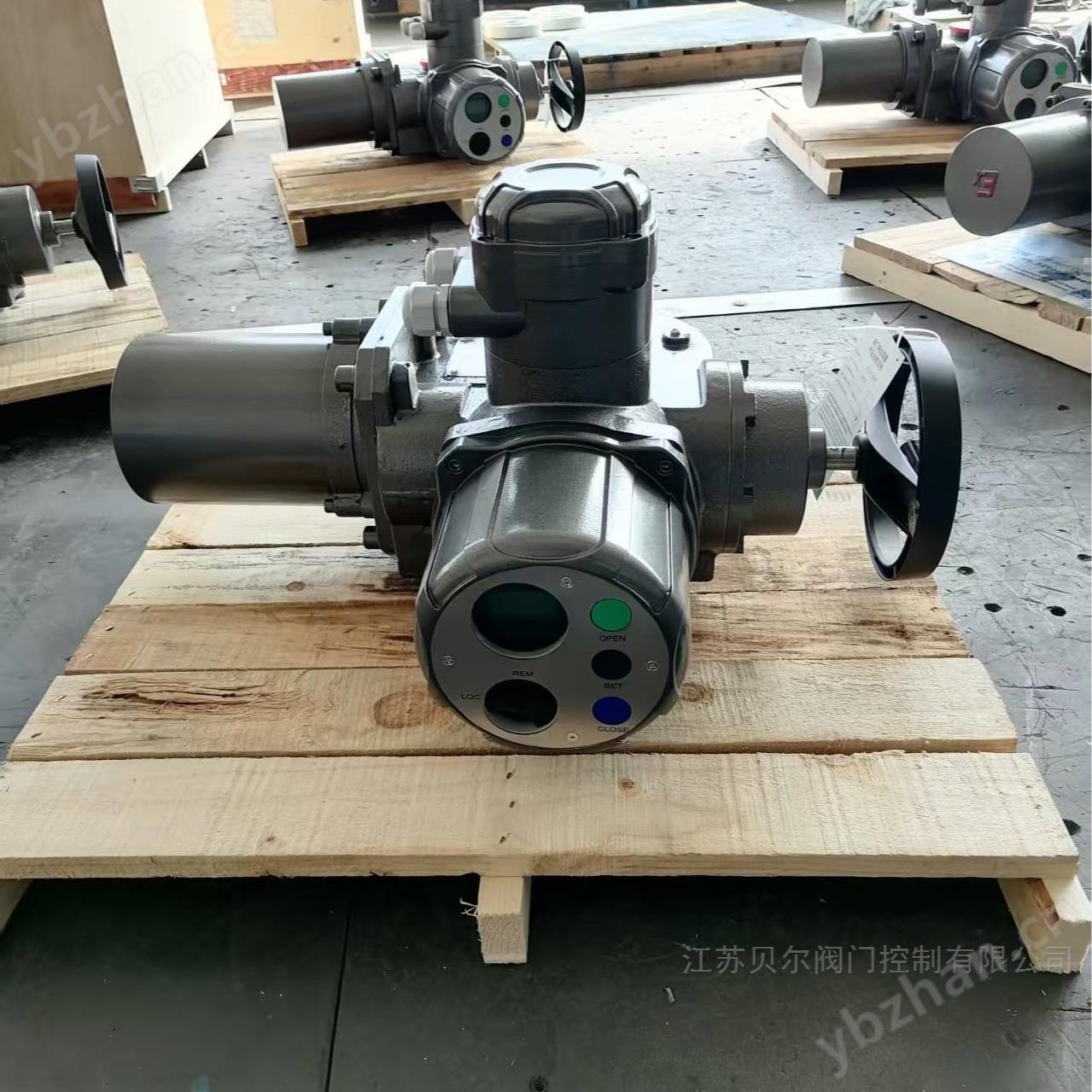
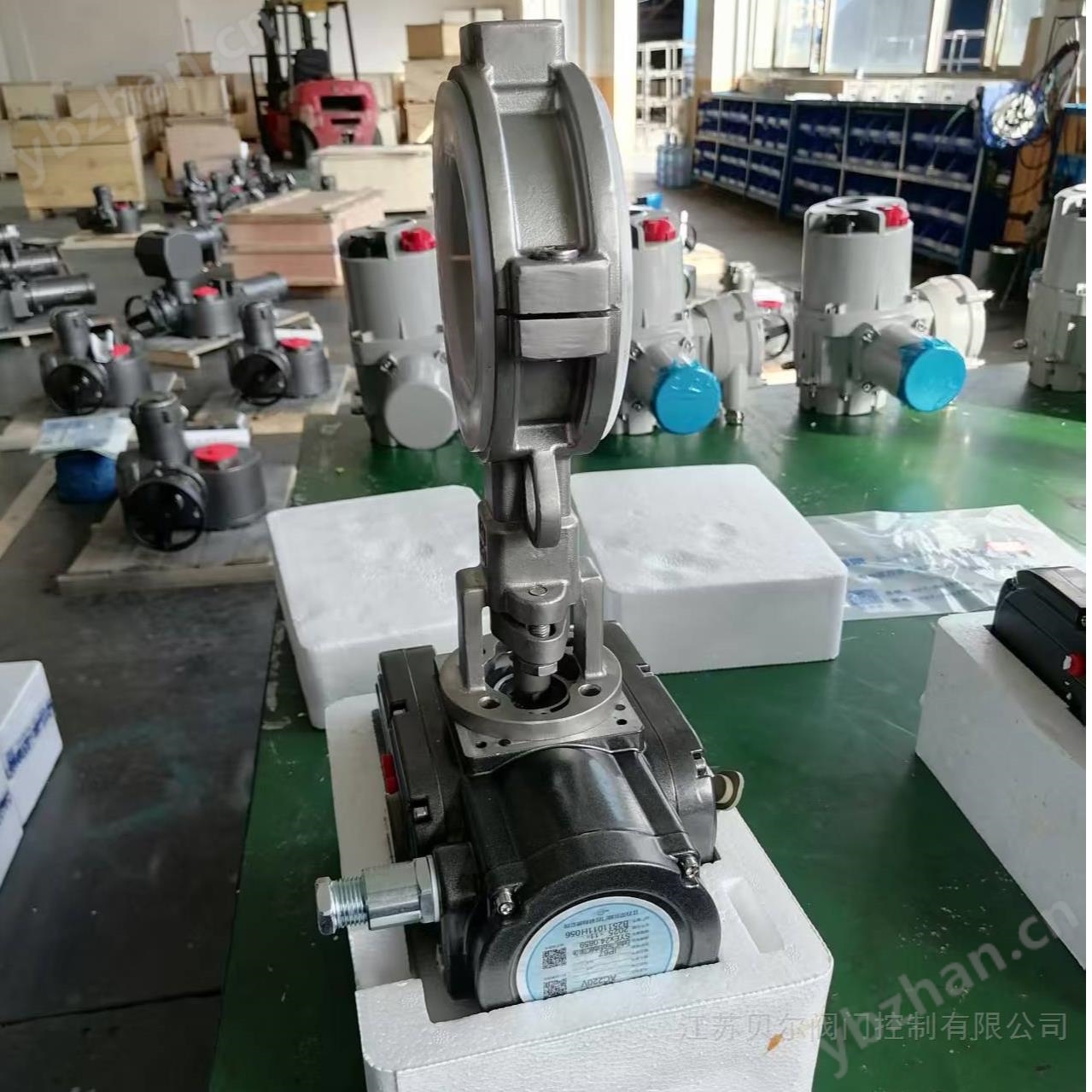
Compact electric soft seal gate valve, model: D943W-16P-DN40,D943W-16P-DN50,D943W-16P-DN65,D943W-16P-DN80,D943W-16P-DN100,D943W-16P-DN125,D943W-16P-DN150,D943W-16P-DN200,D943W-16P-DN250,D943W-16P-DN300,D943W-16P-DN350。
1Compact electric soft seal gate valvesummary:
WCB material electric gate valves that can be remotely controlled on site are usually suitable for working conditions that do not require frequent opening and closing, and keep the gate fully open or closed. Not suitable for use as a regulator or throttle. For high-speed flowing media, when the gate is partially opened, it can cause vibration of the gate, which may damage the sealing surface of the gate and valve seat. Throttling can cause erosion of the gate by the medium. The main difference in structural form is the form of the sealing element used. According to the form of sealing components, electric gate valves are often divided into several different types, such as wedge electric gate valves, parallel electric gate valves, parallel double gate electric gate valves, wedge double gate valves, etc. The commonly used forms are wedge type electric gate valves and parallel type electric gate valves.
two、Compact electric soft seal gate valveThe main performance advantages of are:
1. The valve has low fluid resistance. Due to the straight through valve body of the gate valve, the flow direction of the medium does not change, so the flow resistance is smaller compared to other valves.
2. The sealing performance is better than that of a globe valve, and the opening and closing are also easier than that of a globe valve.
3. Widely applicable, in addition to steam, oil and other media, it is also suitable for media containing granular solids and high viscosity, as well as for use as vent valves and valves in low vacuum systems.
4. Gate valves are dual flow valves that are not restricted by the flow direction of the medium, making them suitable for pipelines where the flow direction of the medium may change, and also easy to install.
Installation precautions
1. The installation position, height, and import/export direction must meet the design requirements, and the connection should be firm and tight.
2. All types of manual valves installed on insulated pipelines must not have handles facing downwards.
3. Before installing the valve, a visual inspection must be conducted, and the valve nameplate should comply with the current national standard "General Valve Marking" GB 12220. For valves with a working pressure greater than 1.0 MPa and a shut-off function on the main pipeline, strength and tightness tests should be conducted before installation, and they can only be used after passing the tests. During the strength test, the test pressure shall be 1.5 times the nominal pressure, and the duration shall not be less than 5 minutes. The valve shell and packing shall be qualified if there is no leakage. During the tightness test, the test pressure is 1.1 times the nominal pressure; The test pressure should meet the requirements of GB 50243 standard for the duration of the test, and it is considered qualified if there is no leakage on the sealing surface of the valve disc.