-
E-mail
kkad8@whliuliangji.com
-
Phone
18363173099
-
Address
Building 6, Electronic Information and Intelligent Manufacturing Industrial Park, No. 369 Shuangdao Road, Gaoqu District, Weihai City, Shandong Province
Product Categories
Weihai Kunke Flow Meter Co., Ltd
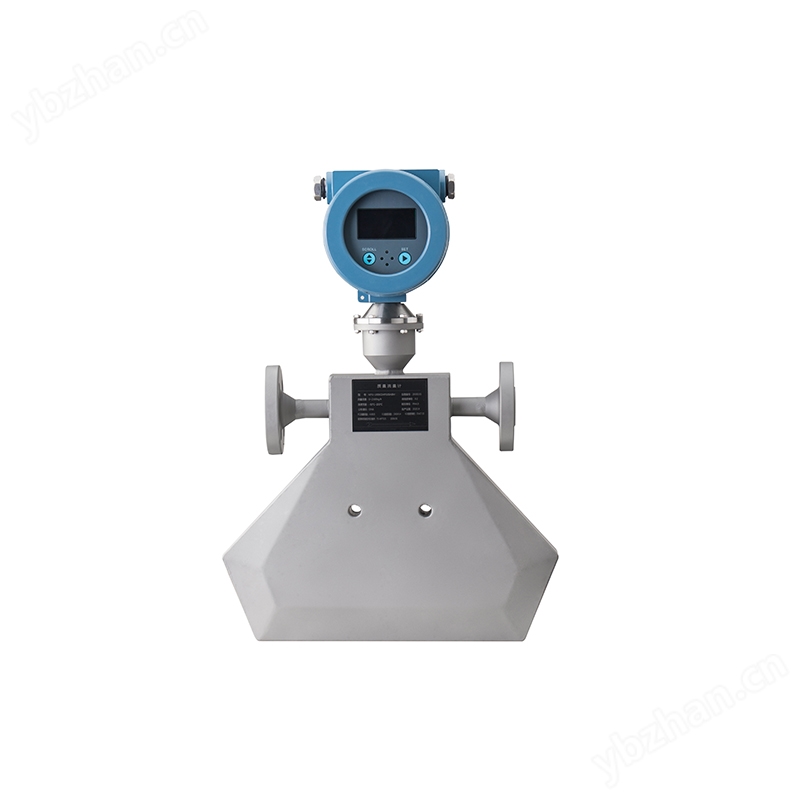
Coriolis mass flowmeter
NegotiableUpdate on 12/22
- Model
- Nature of the Manufacturer
- Producers
- Product Category
- Place of Origin
Overview
Coriolis force, abbreviated as Coriolis force, is a description of the displacement of a particle undergoing linear motion in a rotating system due to inertia relative to the linear motion of the rotating system
Product Details
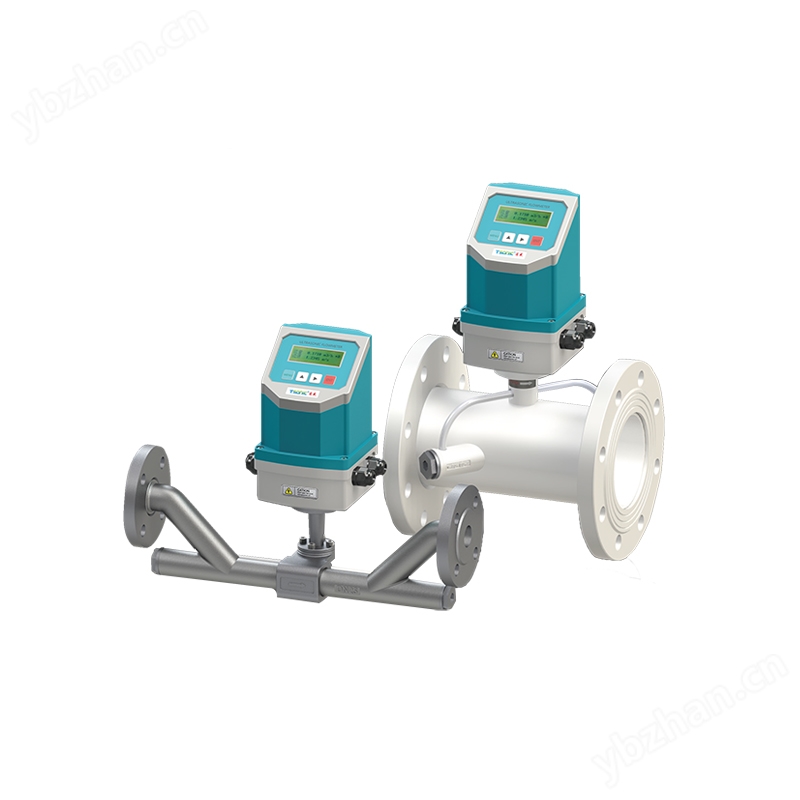
The Coriolis effect, abbreviated as Coriolis force, is a description of the displacement of a particle undergoing linear motion in a rotating system due to inertia relative to the linear motion of the rotating system. A mass flowmeter is a typical application of Coriolis force, which allows the fluid being measured to pass through a vibrating measuring tube. The flow of the fluid in the pipeline is equivalent to linear motion, and the vibration of the measuring tube produces an angular velocity. Since the vibration is driven by an external electromagnetic field and has a fixed frequency, the Coriolis force that the fluid experiences in the pipeline is only related to its mass and velocity. The product of mass and velocity, that is, the flow velocity, is the mass flow rate that needs to be measured. Therefore, by measuring the Coriolis force that the fluid experiences in the pipeline, its mass flow rate can be measured.