-
E-mail
juhai_tech@163.com
-
Phone
18751906628
-
Address
Room 305, Building 1, Nanda Science Park, Qixia District, Nanjing City
Product Categories
Nanjing Juhai Information Technology Co., Ltd


Doppler ocean current sensor
NegotiableUpdate on 11/20
- Model
- Nature of the Manufacturer
- Producers
- Product Category
- Place of Origin
Overview
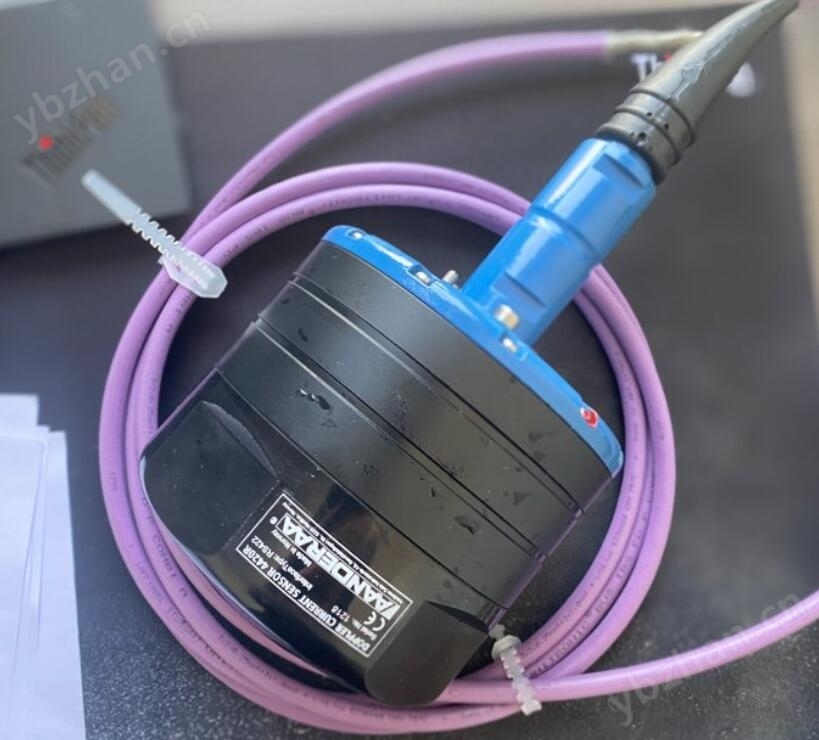
The Andra Aanderaa DCS4420 Doppler ocean current sensor is mainly used for integration into the Andra Ocean Guardian platform, and can be used for both scientific research and commercial purposes. The 4420/4420R has two outputs: AiCaP and RS-232. When integrated into the Ocean Guardian platform, AiCaP is used, while when used alone, RS-232 or RS-422 outputs are used.
Product Details
The Andra Aanderaa DCS4420 Doppler ocean current sensor is mainly used for integration into the Andra Ocean Guardian platform, and can be used for both scientific research and commercial purposes. The 4420/4420R has two outputs: AiCaP and RS-232/422. When integrated into the Ocean Guardian platform, AiCaP is used, and when used alone, RS-232 output is used. This ocean current meter can be connected to longer cables for standalone use, with RS-422 output, and cannot be integrated into the Ocean Guardian platform.
Acoustic Doppler flowmeterworking principle
The Doppler current meter 4420/4420R adopts the principle of backscattering acoustic Doppler. It has two orthogonal sensor axes, with two sensors on each axis, so bidirectional measurement can be performed on each axis. This is a major advantage of the sensor, which makes it insensitive to the interference of eddy currents around the sensor during measurement (enabling forward measurement function). After enabling the forward measurement function, only one sensor on each axis simultaneously sends acoustic pulses and receives acoustic pulse reflection signals from particles, thereby measuring the orthogonal velocity components of the X-axis and Y-axis. After tilt compensation, the horizontal velocity component is obtained. By measuring the velocity vectors of the X-axis and Y-axis and calculating the orientation of the built-in solid-state electronic compass, the velocity components in the north and east directions are calculated. After multiple measurements are averaged, the flow velocity and direction are output.
The Doppler current meter 4420/4420R adopts ZPulse technology, and the advantage of ZPulse technology is that it can improve measurement accuracy. Complex acoustic pulse technology contains different frequencies in a single pulse, dividing the received signal into different frequency bands. Each frequency band is transmitted as a pulse signal to the processor, which uses high-speed digital processors and ARMA parameter model algorithms to analyze changes in Doppler frequency. This multi frequency technology reduces the number of pings while achieving the required accuracy. The measurement accuracy of the instrument is inversely proportional to the number of pings, and Zpuls technology uses two frequencies. Compared with a single frequency, to achieve the same accuracy, the number of pings is reduced to half of a single frequency.
Output mode: The Andra 4420 Doppler current meter has two output modes: AiCaP and RS-232. When integrated into the Ocean Guardian platform, AiCaP is used, and when used alone, RS-232 output is used. In addition, there are two other models, 4420R/4830R, which can be connected to longer cables for separate use and use RS-422 output.
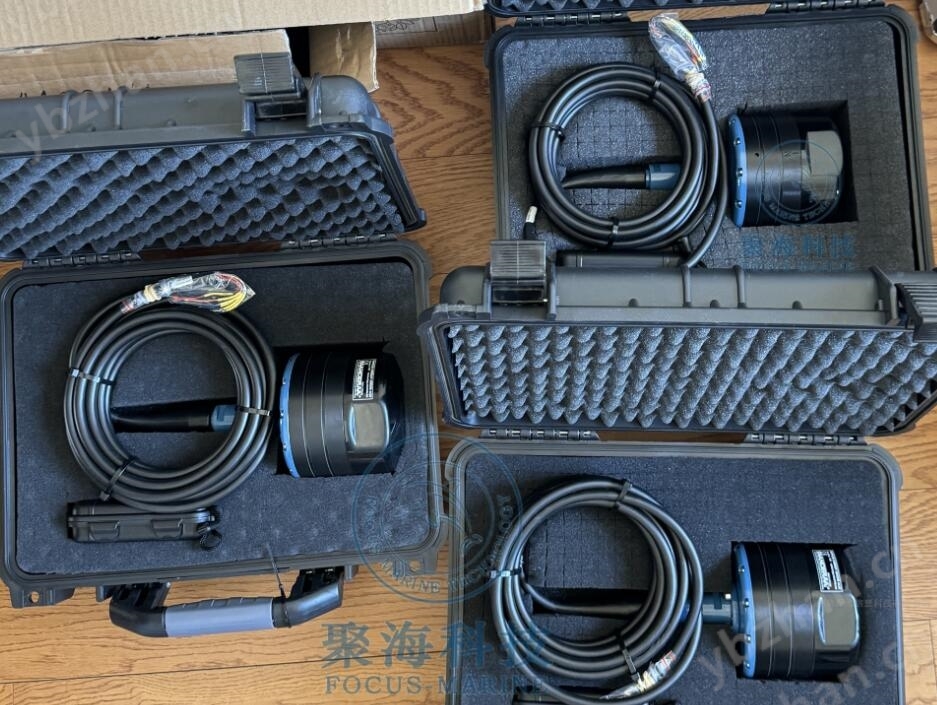
The following products can also be consulted:
Norway Aanderaa Doppler Single Point Current Meter
-Aanderaa SeaGuard RCM Ocean Guard Doppler Single Point Current Analyzer
-Aanderaa RCM Blue Doppler single point ocean current profiling instrument
-Aanderaa Seaguard II DCP profiling current meter/Doppler current profiler
-Aanderaa ZPulse 4420/4420R/4830/4830R/4520/4520R Doppler current profiling instrument
-Aanderaa IN-LINE ZPulse DCS 5800/5810/5800R/5800RR/5810E online Doppler current profiling instrument
-Aanderaa DCPS 5400/5400R/5402/5402R/5403/5403R Doppler profiling current meter sensor profiler
-Aanderaa DCPS Doppler profiling ocean current sensor 5400/5400R/5402/5402R/5403/5403R