-
E-mail
1591259053@qq.com
-
Phone
15666889209
-
Address
Room 207, Building 1, Weifang High tech Zone Optoelectronic Industry Accelerator (Phase I), No. 155 Optical Circuit, Weifang High tech Zone, Shandong Province
Product Categories
Shandong Jingdao Optoelectronics Technology Co., Ltd

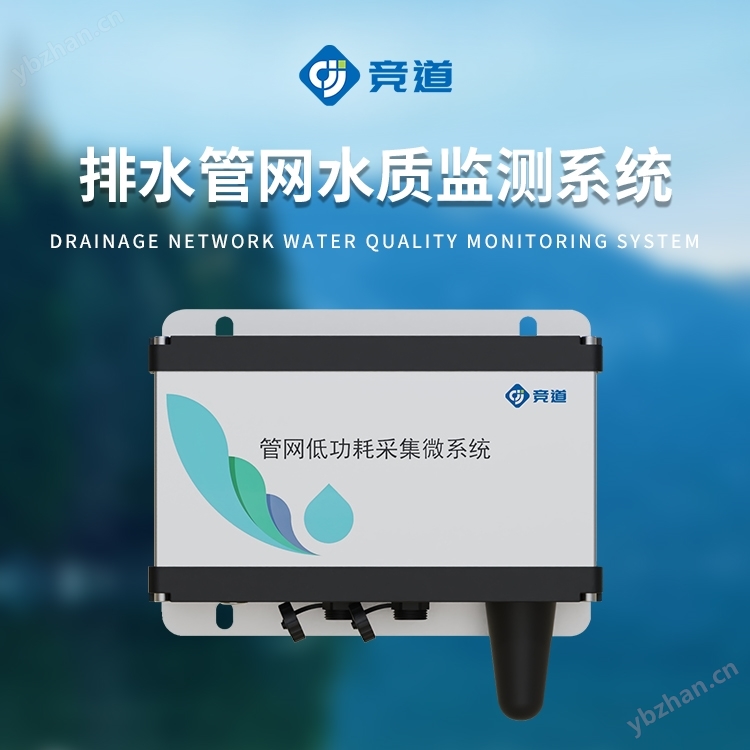
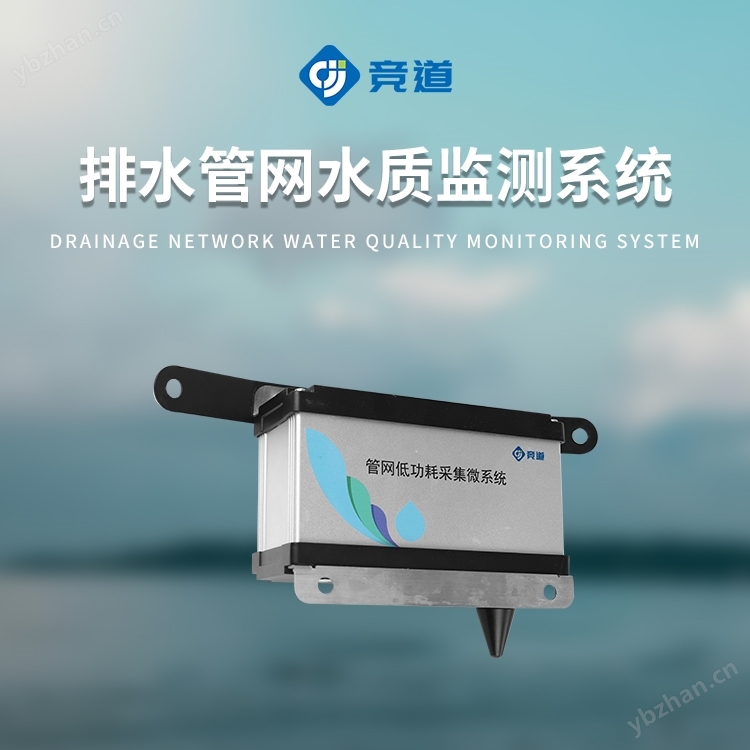
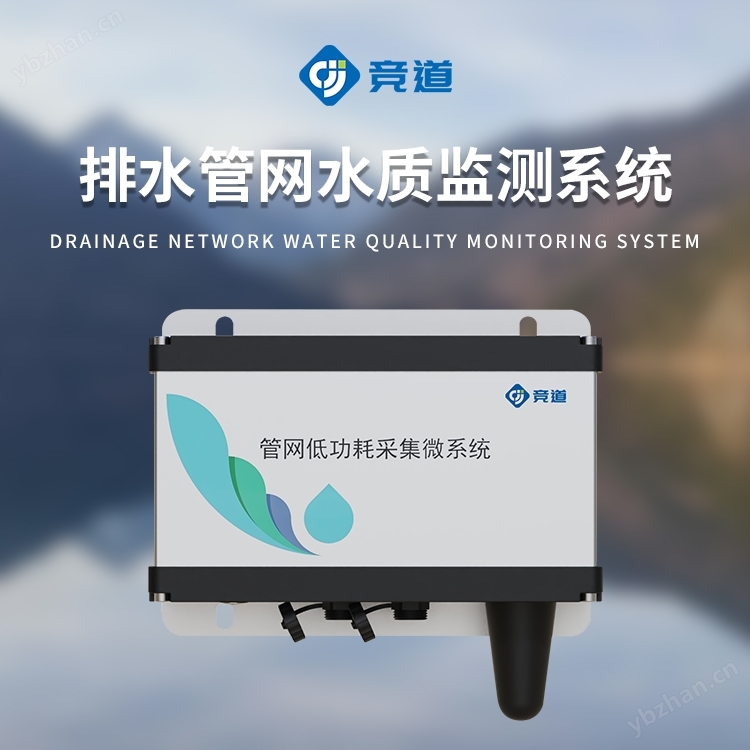
Four parameter water quality monitoring system
NegotiableUpdate on 11/20
- Model
- Nature of the Manufacturer
- Producers
- Product Category
- Place of Origin
Overview
Four parameter water quality monitoring system, focusing on temperature, conductivity pH、 The four key indicators of dissolved oxygen comprehensively present the basic characteristics of water quality. The temperature sensor sensitively captures changes in water temperature, which affects the metabolism and distribution of aquatic organisms. Conductivity sensors reflect the content of dissolved substances in water by measuring current conductivity. The pH sensor accurately measures the acidity and alkalinity of water bodies, which is related to the living environment of aquatic organisms. Dissolved oxygen sensors monitor real-time oxygen concentration in water to ensure the respiratory needs of aquatic organisms. The system has a compact structure and stable performance, and is widely used in various types of water bodies such as rivers, lakes, drinking water sources, etc., for water quality monitoring and water resource management
Product Details
Four parameter water quality monitoring systemFocusing on temperature, conductivity pH、 The four key indicators of dissolved oxygen comprehensively present the basic characteristics of water quality. The temperature sensor sensitively captures changes in water temperature, which affects the metabolism and distribution of aquatic organisms. Conductivity sensors reflect the content of dissolved substances in water by measuring current conductivity. The pH sensor accurately measures the acidity and alkalinity of water bodies, which is related to the living environment of aquatic organisms. Dissolved oxygen sensors monitor real-time oxygen concentration in water to ensure the respiratory needs of aquatic organisms. The system has a compact structure and stable performance, and is widely used in various water bodies such as rivers, lakes, and drinking water sources, providing accurate data support for water quality monitoring, water resource management, and protection.
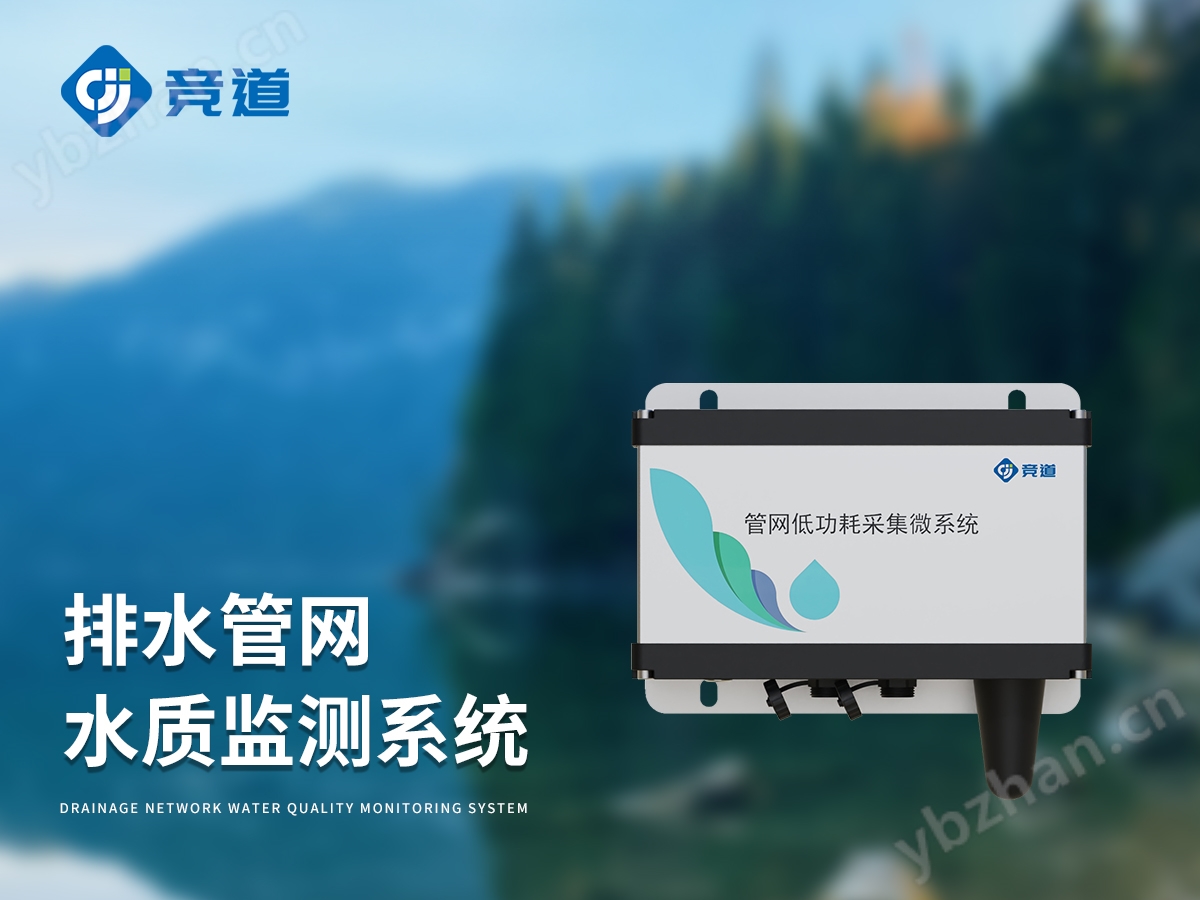
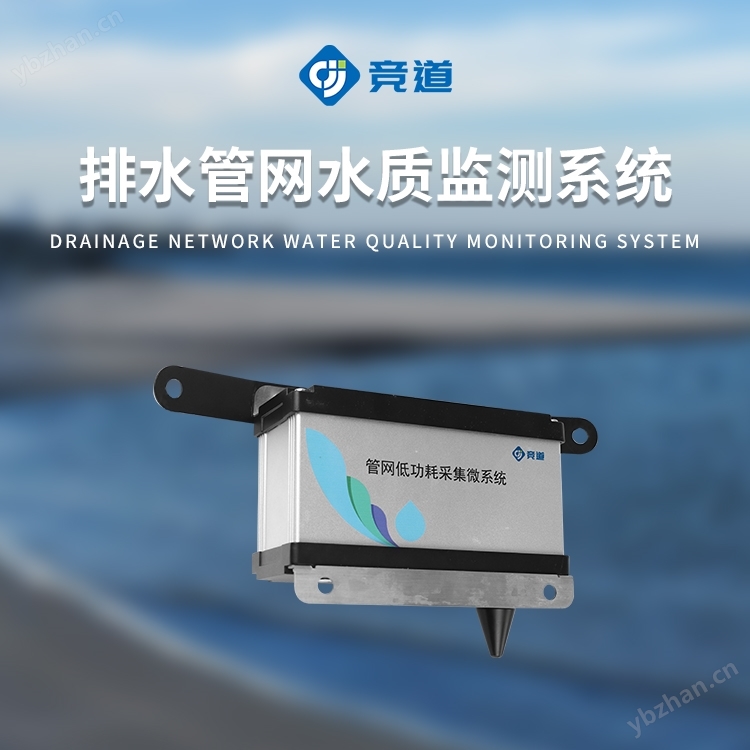
1Four parameter water quality monitoring systemProduct Overview
The low-power collection microsystem of the pipeline network directly transmits JSON data to the designated server through 4G and supports MQTT protocol transmission.
Other formats of data are transmitted to our company's cloud platform via 4G. Our company provides an HTTP interface, and other platforms obtain data through this interface.
The built-in 8GB TF card can store the read data in the memory card.
The baud rate of each serial port communication can be modified through commands, and the required sensor parameters can also be added, modified, and deleted through commands.
2、 Functional Features
1. Equipped with a built-in 3.6V 152AH lithium battery, ensuring continuous operation for 3 years.
2. IP68 waterproof rating, no need to worry about pipeline swelling.
3. There are two 485 interfaces, one for device configuration and one for sensor reading
4. Supports Modbus RTU sensor reading and data saving function
5. The serial port baud rate can be independently modified
6. The sensor communication port supports a maximum of 32 nodes
3、 Specification parameters
Working voltage: 3.6V with built-in lithium battery
Product size: 204x82x162mm
Usage environment: Temperature: -40-85 ° C, Humidity: 5% -95%
Communication type: RS485
Communication protocol: Modbus RTU protocol
Communication distance: 300 meters
Baud rate: 1200-115200bps, default 9600 8N 1
Protection level: RS-485 interface with 600W lightning surge protection per line, ± 15KV ESD protection
4、 Sensor parameters
| serial number | sensor type | measurement range | Measuring principle | measurement accuracy | configuration |
| 1 | temperature | 0~50℃ | High precision digital sensor | ±0.3℃ | √ |
| 2 | conductivity | 0~5000uS/cm,0~10000uS/cm | Contact electrode method | ± 1.5% | √ |
| 3 | pH | 0~14(ph) | Electrochemistry (salt bridge) | ± 0.1PH | √ |
| 4 | dissolved oxygen | 0~20mg/L | Fluorescence lifetime method | ± 2% | √ |
| 5 | ammonia nitrogen | 0-1000.00mg/L (default) 0-1000mg/l/(customizable) |
Ion selective electrode method | 10% of the reading, ± 0.5 ℃ | |
| 6 | turbidity | 0~40NTU (optional) | scattered light method | ± 1% | |
| 7 | COD | 0~500mg/ L | UV254 absorption method | ±5% |