-
E-mail
info@conasen.com
-
Phone
15810054208
-
Address
2-1702, New Era Building, No. 13 Beiyuan Road, Chaoyang District, Beijing
Product Categories
Beijing Kangansen Instrument Technology Co., Ltd
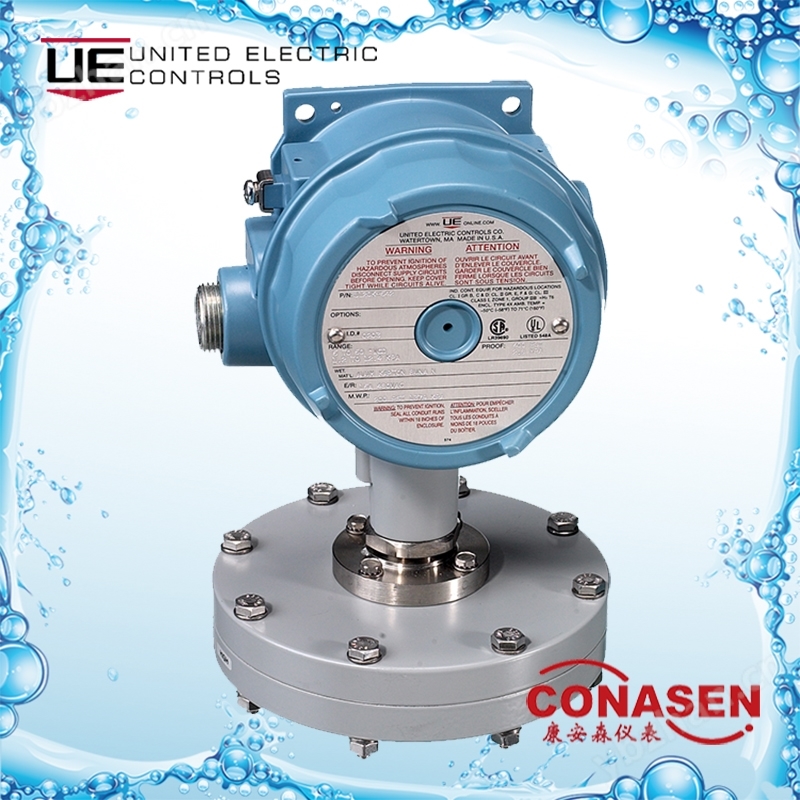
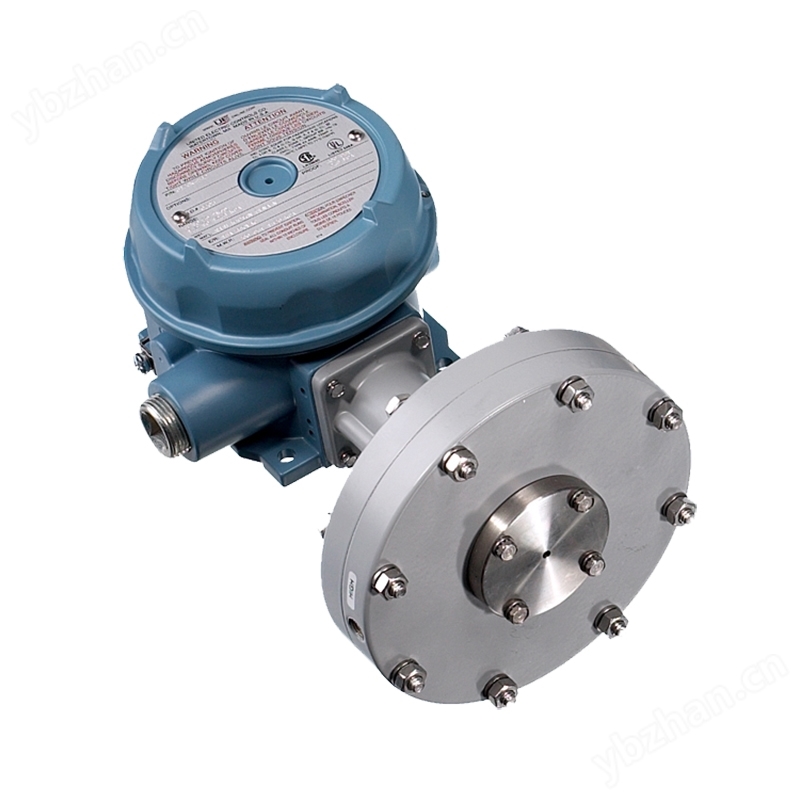
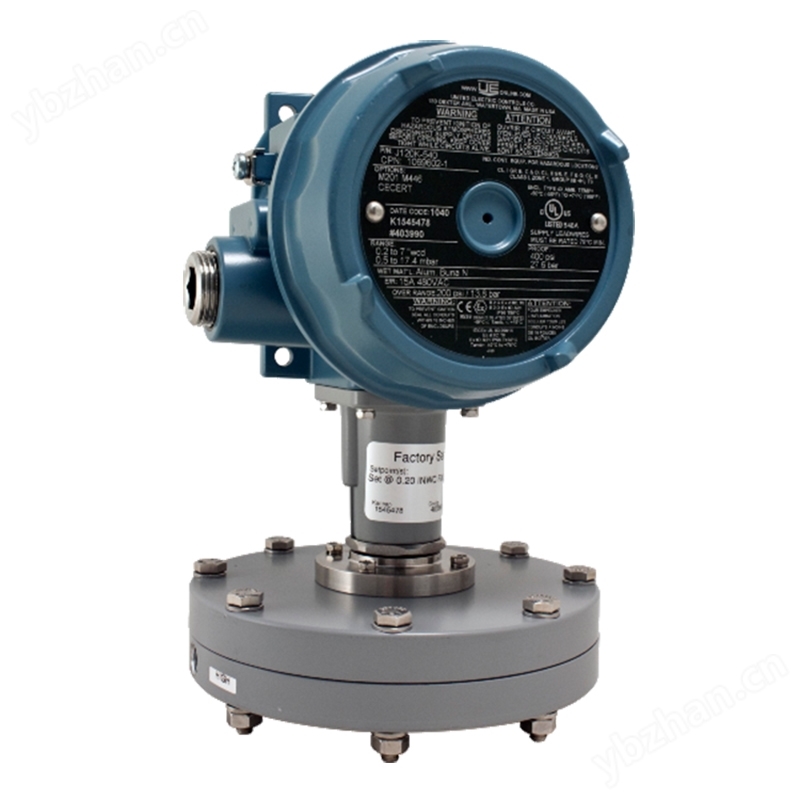
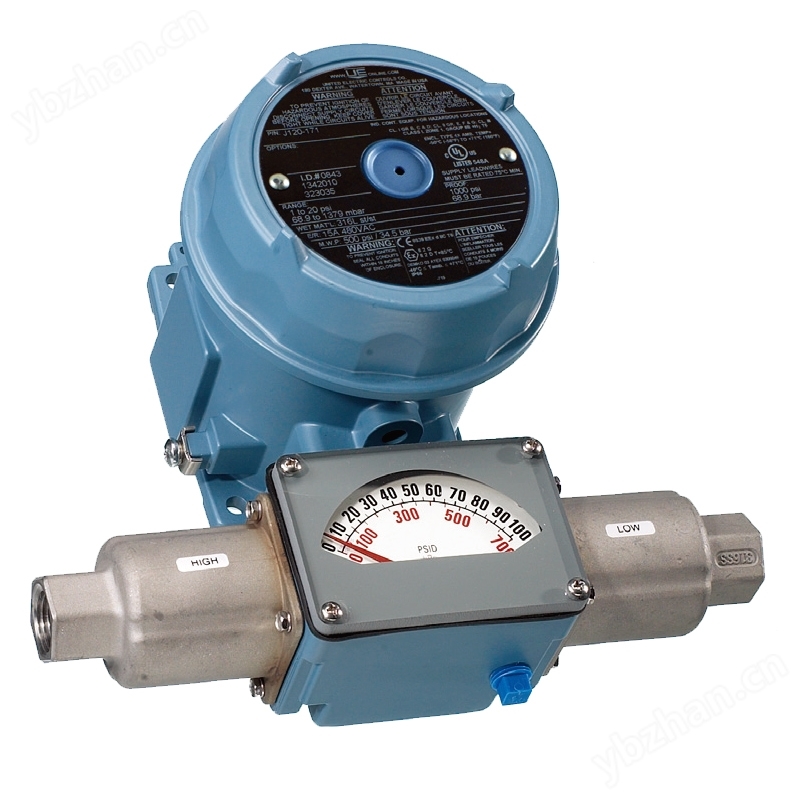
Imported differential pressure switch
NegotiableUpdate on 11/20
- Model
- Nature of the Manufacturer
- Producers
- Product Category
- Place of Origin
Overview
The core principle of imported differential pressure switches is based on the linkage between mechanical deformation caused by pressure difference and electrical signals. When the medium (gas or liquid) on the high and low pressure sides is connected to a switch through a pipeline, the pressure difference acts on internal sensitive components (such as diaphragms, bellows, or pistons).
Product Details
As a core component in industrial automation and building control systems, differential pressure switches are used to monitor the pressure difference between two points, achieving precise control and protection of equipment operation status. Imported differential pressure switches are widely used in fields such as air conditioning, ventilation, water treatment, and petrochemicals due to their high precision, reliability, and adaptability to complex working conditions. The following analysis will be conducted from four dimensions: working principle, core structure, application scenarios, and installation points.
1、 Working principle: Mechanical electrical conversion driven by pressure difference
The core principle of differential pressure switch is based on the linkage between mechanical deformation caused by pressure difference and electrical signals. When the medium (gas or liquid) on the high and low pressure sides is connected to a switch through a pipeline, the pressure difference acts on internal sensitive components (such as diaphragms, bellows, or pistons). For example, in a diaphragm type differential pressure switch, the high-pressure medium pushes the diaphragm to deform towards the low-pressure side, and the amount of deformation is proportional to the pressure difference. When the deformation reaches the preset threshold, the diaphragm triggers the micro switch through the mechanical linkage, outputting an electrical signal (normally open/normally closed contact switching), thereby controlling the action of the pump, valve or alarm device.
This process realizes the conversion from pressure difference physical quantity to electrical control signal, with the characteristics of fast response speed and strong anti-interference ability. Some models adopt a double diaphragm structure, which eliminates the influence of environmental pressure fluctuations through balanced design, further improving measurement accuracy.
2、 Core structure: Modular design ensures stability
The typical structure of an imported differential pressure switch consists of four parts: pressure interface, sensitive components, transmission mechanism, and electrical contacts:
Pressure interface: It adopts standardized thread or flange connection, supports vertical or horizontal installation, and some models are equipped with anti blocking design, suitable for working conditions containing granular media.
Sensitive components: Membrane materials are usually made of stainless steel or special engineering plastics, which balance corrosion resistance and elastic deformation ability; The piston type structure achieves high linearity measurement through the precise machining of metal pistons and cylinder bodies.
Transmission mechanism: The lever spring system amplifies the small displacement of sensitive components to ensure the reliability of contact switching. Some models integrate damping devices to avoid misoperation caused by pressure fluctuations.
Electrical contacts: Made of gold-plated or silver alloy contacts, supporting DC/AC loads, with a lifespan of over one million cycles. Some products offer dual contact output, which can simultaneously achieve control and alarm functions.
3、 Application scenario: A "stress manager" covering multiple industries
Air conditioning and ventilation system: Monitor the pressure difference before and after the filter, and trigger an alarm when the pressure difference exceeds the set value, prompting to replace the filter screen; Simultaneously control the fan speed to maintain system airflow balance.
In the field of water treatment, differential pressure switches are installed at the inlet and outlet of heat exchangers to determine the water flow status through changes in differential pressure, preventing equipment overheating or insufficient flow caused by blockage.
Industrial process control: Monitor the pressure difference between the pump outlet and inlet in petrochemical pipelines to achieve pump start stop control or flow regulation, ensuring process stability.
Cleanroom environment: Maintain a positive pressure difference between the cleanroom and adjacent areas through a pressure differential switch to prevent external air pollution from entering and meet GMP certification requirements.
4、 Installation points: Details determine long-term reliability
Selection of pressure measurement points: Avoid resistance components such as pipe bends and valves, and prioritize the middle of straight pipe sections to ensure representative pressure measurement.
Installation direction: The diaphragm switch should be installed vertically to avoid the influence of the diaphragm's own weight on measurement accuracy; Piston switches need to keep the piston axis horizontal to reduce frictional resistance.
Environmental adaptability: Avoid high temperature, vibration, or corrosive gas environments, and install protective covers or use anti-corrosion coatings if necessary.
Electrical connection: Shielded cables are used to reduce electromagnetic interference, and the contact load needs to match the requirements of the control circuit to avoid arc burns.
Conclusion
Imported differential pressure switches have become an indispensable "pressure sensing organ" in industrial systems through precise mechanical design and electrical control logic. Its modular structure and diverse application scenarios not only meet the requirements of general working conditions, but also can cope with harsh environments such as high temperature, high pressure, and corrosion. In practical applications, reasonable selection and standardized installation are key to maximizing its performance, while regular maintenance (such as cleaning pressure interfaces and checking contact status) can significantly extend its service life and provide long-term support for stable system operation.