-
E-mail
info@conasen.com
-
Phone
15810054208
-
Address
2-1702, New Era Building, No. 13 Beiyuan Road, Chaoyang District, Beijing
Product Categories
Beijing Kangansen Instrument Technology Co., Ltd
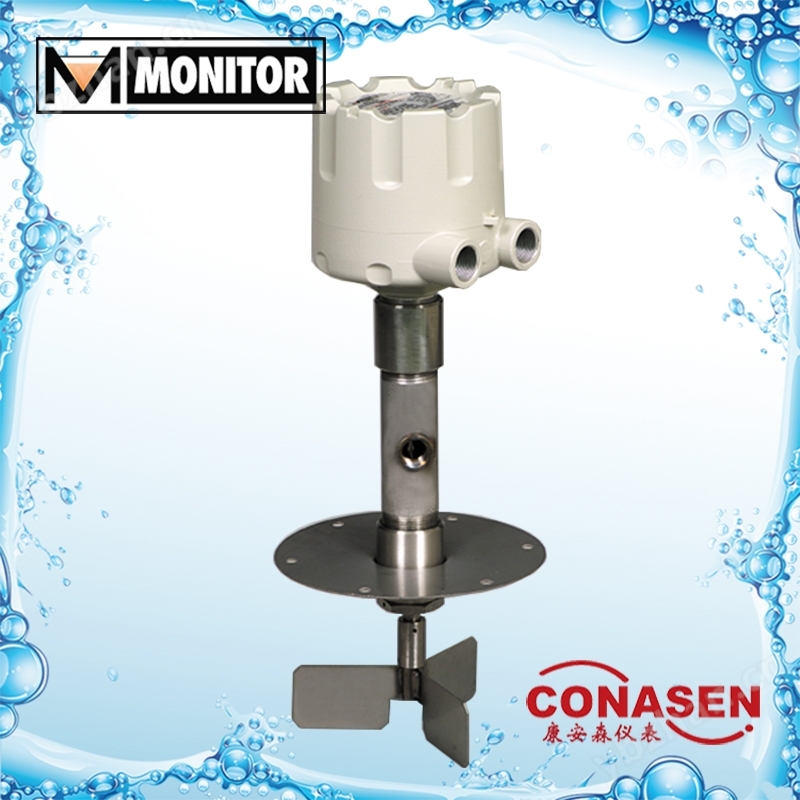
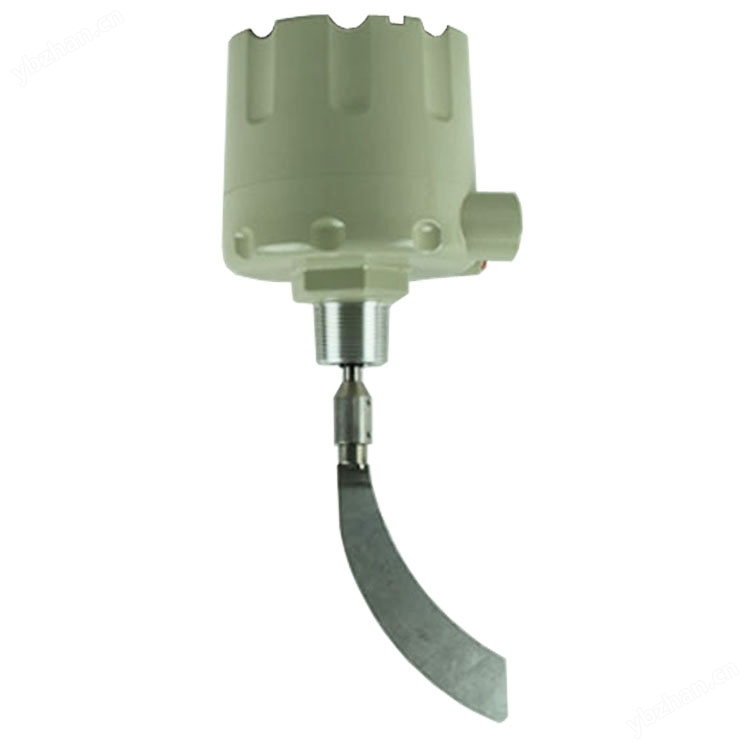
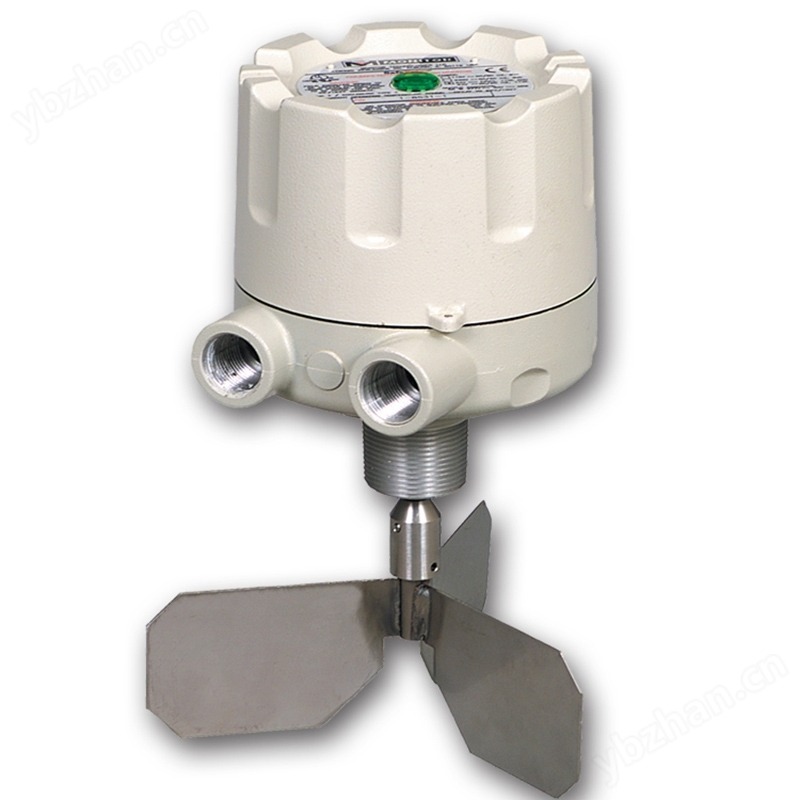
Imported material level switch
NegotiableUpdate on 11/20
- Model
- Nature of the Manufacturer
- Producers
- Product Category
- Place of Origin
Overview
Imported level switch is a key equipment used in the field of industrial automation to monitor the height of solid materials in containers or storage tanks. Its core function is to detect changes in material position and output switch signals to achieve level control, alarm or interlock protection.
Product Details
Imported level switch is a key equipment used in the field of industrial automation to monitor the height of solid materials in containers or storage tanks. Its core function is to detect changes in material position and output switch signals to achieve level control, alarm or interlock protection. As a "sensory antenna" in industrial production, it plays an irreplaceable role in improving production efficiency, ensuring equipment safety, and optimizing material management. The following provides a detailed introduction from three dimensions: working principle, application scenarios, and technological advantages.
1、 Working principle: Precision collaboration between machinery and electronics
The imported material level switch senses the position of materials through physical contact or non-contact methods, and its core logic can be summarized as a "trigger feedback control" cycle. Taking the widely used resistive rotary level switch as an example, it is equipped with a micro motor inside to drive the blades to rotate. When the material accumulates at the blade position, the increased resistance causes the motor to stop rotating, triggering the internal micro switch to act and output an electrical signal to the control system. If the material drops and the blades resume rotation, the signal will switch accordingly. This mechanical design gives it high sensitivity to solid materials such as particles and powders, and is not affected by parameters such as material density and humidity.
Non contact level switches use capacitance, radio frequency admittance, or optoelectronic principles. For example, capacitive switches determine the material level by detecting changes in capacitance between the material and the probe, and are suitable for high temperature and high voltage environments; Optoelectronic switches use beam reflection or occlusion to achieve detection, especially suitable for transparent or lightweight materials. Switches with different principles can solve monitoring problems in complex working conditions with targeted solutions.
2、 Application scenario: "Material Steward" covering the entire industry chain
Chemical and Energy Industry
In scenarios such as petroleum refining and coal chemical engineering, level switches are used to monitor the inventory of raw materials in reaction vessels and storage tanks, preventing production interruptions due to material shortages or leakage accidents caused by full material. For example, in polyethylene production, real-time monitoring of catalyst levels can accurately control the reaction process and improve product quality.
Food and Pharmaceutical Industry
The food processing line with strict hygiene requirements uses stainless steel material and sealed design for the level switch to avoid material contamination. In the milk powder filling process, the switch can accurately control the filling amount of each can of milk powder, ensuring product consistency; In the tablet press, automatic feeding is achieved by monitoring the material level in the raw material warehouse to avoid equipment idling.
Environmental Protection and Municipal Engineering
The garbage bin of the garbage incineration plant and the sludge tank of the sewage treatment plant rely on level switches to achieve intelligent management. For example, by arranging switches at multiple points, real-time monitoring of material levels at different heights in the garbage bin can be achieved, optimizing the grab bucket material retrieval path and improving incineration efficiency; In sludge treatment, the switch can be linked to the conveying pump to prevent sludge overflow or pipeline blockage.
Building Materials and Mining
Large storage facilities such as raw material warehouses in cement plants and coal powder warehouses in steel mills are linked with PLC systems through level switches to achieve automatic replenishment and inventory warning. In the mining beneficiation plant, the switch can monitor the material level at the feed inlet of the ore crusher to avoid equipment overload caused by material accumulation.
3、 Technical advantage: Differentiated competitiveness of imported equipment
High reliability design
Imported level switches commonly use double sealed bearings, explosion-proof structures, and overload protection devices to adapt to harsh environments such as dust explosions and high-temperature corrosion. For example, some models have passed the IP69K protection level certification and can operate stably in high-pressure water flushing environments.
Intelligent function expansion
Modern imported equipment integrates self diagnostic function, which can monitor motor status and signal transmission quality in real time, and provide fault information feedback through LED indicator lights or wireless modules. Some models support industrial protocols such as Modbus and Profibus, making it easy to connect to DCS or SCADA systems.
Modular and customized services
Imported brands provide customized services for blade size, material, and installation methods based on different material characteristics. For example, to monitor viscous materials with poor fluidity, enlarged blades or vibration assistance devices can be equipped; In narrow spaces, miniaturized design switches can be used to save installation space.
4、 Selection and installation points
Media adaptability
The switch type should be selected based on the material form (powder, particle, block), density, humidity, and corrosiveness. For example, low-density powders should use tuning fork switches, while high viscosity materials should avoid using anti rotation switches to prevent hanging.
Optimization of installation location
The switch should avoid dead corners of material flow and is usually installed on the side wall or top of the silo. For conical silos, the installation height needs to be adjusted according to the material's resting angle to ensure detection accuracy.
Environmental considerations
In explosive environments, explosion-proof certified models such as Ex d IIB T4 should be selected; High temperature scenarios require the configuration of heat-resistant bearings and cooling sleeves; In strong vibration environments, shock absorbers need to be installed.
Conclusion
The imported material level switch accurately senses the position of materials, building a "safety barrier" and "efficiency engine" for industrial production. From precise control of chemical reaction vessels to hygiene management of food production lines, from intelligent scheduling of mining storage silos to stable operation of environmental protection facilities, its value has permeated every aspect of modern industry. With the integration of the Internet of Things and artificial intelligence technology, future level switches will evolve towards wireless and predictive maintenance, continuously driving industrial automation to higher levels.