-
E-mail
info@conasen.com
-
Phone
15810054208
-
Address
2-1702, New Era Building, No. 13 Beiyuan Road, Chaoyang District, Beijing
Product Categories
Beijing Kangansen Instrument Technology Co., Ltd

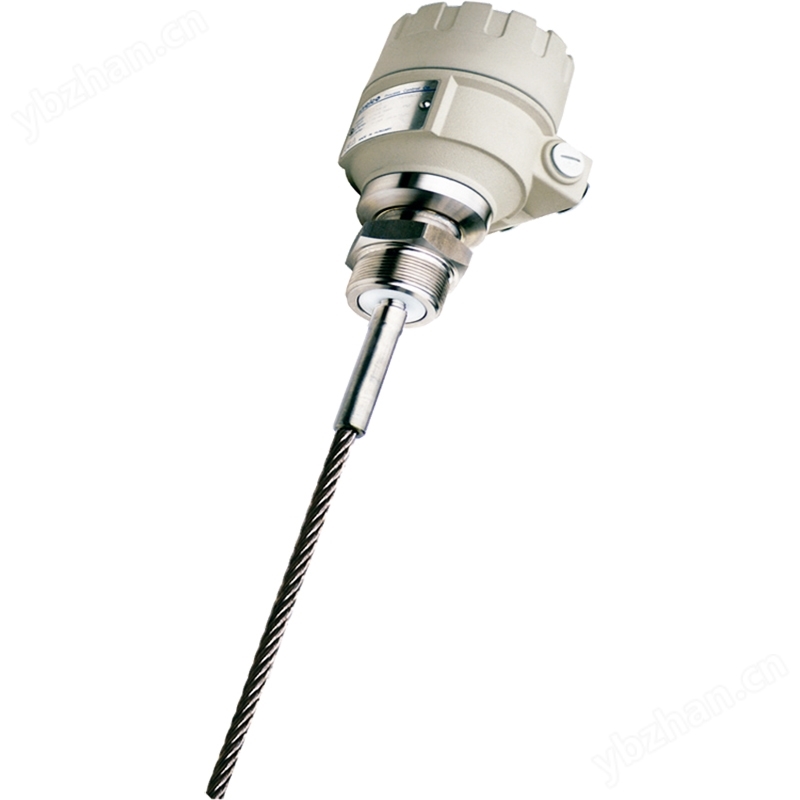

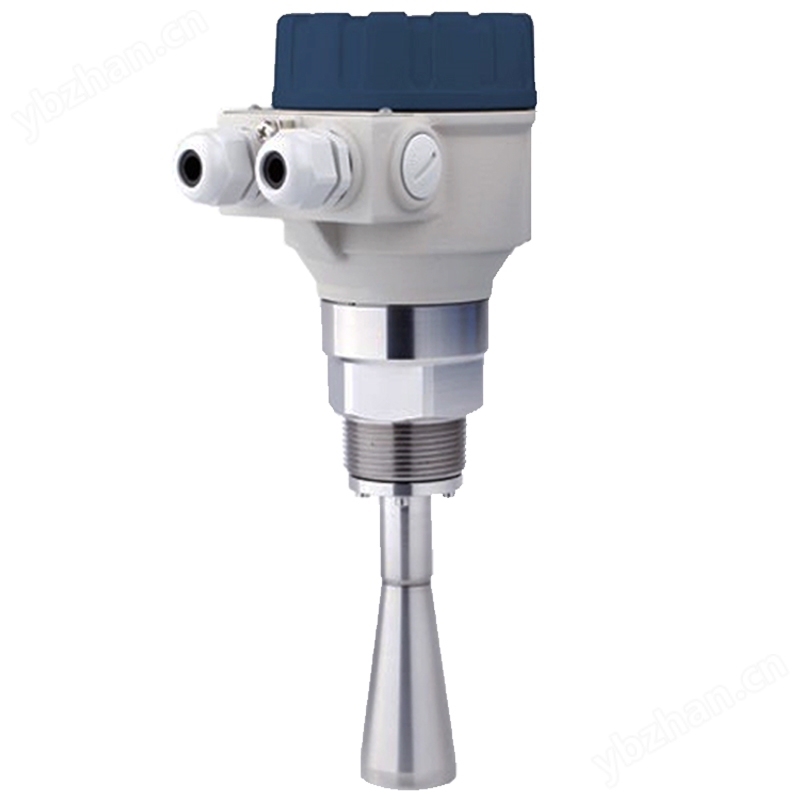
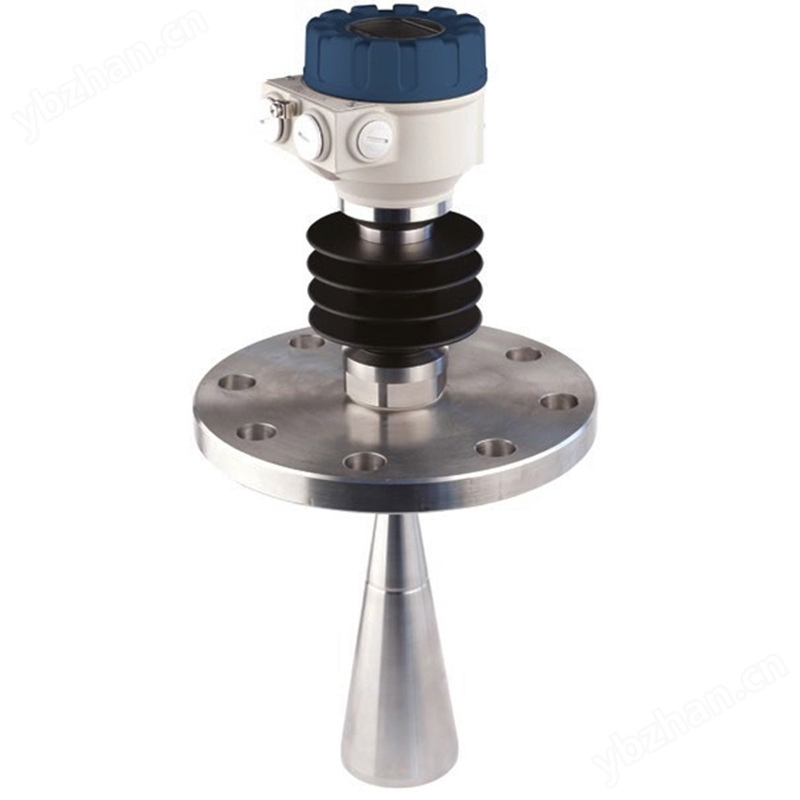
Imported radar level gauge
NegotiableUpdate on 11/20
- Model
- Nature of the Manufacturer
- Producers
- Product Category
- Place of Origin
Overview
Imported radar level gauges have become the mainstream choice for industrial level measurement due to their core advantages of non-contact, high precision, and strong adaptability. The imported grain warehouse radar level gauge can fully utilize its performance through reasonable selection, standardized installation, and regular maintenance, providing reliable data support for industries such as petrochemicals, pharmaceuticals, and food processing, and promoting safe and efficient operation of the production process.
Product Details
1、 Core working principle of imported radar level gauge
The radar level gauge is based on the electromagnetic wave propagation mechanism of "emission reflection reception". It measures the time difference between the microwave pulse emitted and reflected on the surface of the material before being received (time domain reflection principle, TDR), and calculates the distance between the material and the probe based on the speed of light, thereby obtaining the liquid level height. Its core advantages lie in:
Non contact measurement: The probe has no direct contact with the medium, avoiding problems such as corrosion and adhesion, and reducing maintenance costs.
Strong anti-interference ability: electromagnetic wave can penetrate steam, dust, foam and other interfering substances, and adapt to high temperature, high pressure, strong corrosion and other harsh conditions.
High precision and stability: Some models can achieve millimeter level accuracy and are minimally affected by environmental factors such as temperature, pressure, and gas.
2、 Classification and Characteristics of Imported Radar Level Gauge Technology
Time Domain Pulse Radar (TDR)
Principle: Transmit a single pulse electromagnetic wave and calculate the liquid level by measuring the transmission time.
Features: Simple structure, low cost, suitable for measuring solids, liquids, and slurries.
Frequency modulated continuous wave radar (FMCW)
Principle: Transmit microwave signals with linear modulation of frequency, and calculate the distance based on the frequency difference between the reflected wave and the transmitted wave.
Features: Digital technology, high precision, stable output signal, suitable for high-precision measurement under complex working conditions.
High frequency and low frequency selection
High frequency (such as 80GHz): Small beam angle, suitable for small range, high-precision scenarios (such as pharmaceutical ingredient tanks).
Low frequency (such as 6GHz): It has strong penetrability and is suitable for environments with more foam, steam or dust (such as coal bunker).
3、 Core advantages and application scenarios of imported radar level gauges
wide applicability
Medium type: almost covers all liquids, solids, and slurries, including crude oil, chemicals, coal powder, high viscosity liquids, etc.
Tank shape: Suitable for various containers such as spherical tanks, horizontal tanks, cylindrical tanks, etc.
Harsh environment: resistant to high temperature, high pressure, vacuum, suitable for fields such as petrochemicals, electricity, and environmental protection.
Typical application cases
Petrochemical industry: tank level monitoring to solve the problem of measuring corrosive media.
Pharmaceutical industry: Accurately control the amount of medication added to meet GMP standards.
Food processing: Monitor the liquid level of concentrated fruit juice under high temperature and pressure environment to ensure product quality.
Water treatment: resist foam interference, and realize accurate measurement of water level of reservoir and sewage treatment plant.
4、 Key points for installation and maintenance
Installation specifications
Location selection: avoid the interference sources such as agitator and feed inlet, and tilt installation (such as 15 °) can reduce the impact of foam.
Connection size: The diameter of the connection should be less than or equal to the length of the shielding tube (such as 100mm or 250mm) to reduce external interference.
Safe distance: The final value of the measurement range should be at least 100mm away from the antenna end to prevent corrosion and adhesion effects.
Maintenance Strategy
Regular cleaning: Check for crystal or dirt on the antenna port to avoid signal attenuation.
Fault diagnosis: Utilize self diagnostic functions and error codes to quickly locate problems.
Signal monitoring: Observe the reflected wave curve remotely through a PC to ensure measurement stability.
5、 Key factors for selection
medium characteristics
Dielectric constant: The higher the dielectric constant, the greater the reflection intensity and the wider the measurement range.
Viscosity and vapor pressure: For high viscosity or volatile media, anti adhesive and corrosion-resistant models should be selected.
environmental conditions
Temperature and pressure: For high temperature or high pressure environments, temperature and pressure resistant models should be selected.
Explosion proof requirement: Explosion proof certified products should be selected for flammable and explosive places.
Output signal and compatibility
Signal type: Supports protocols such as 4-20mA, HART, Modbus, etc., and is compatible with different control systems.
Communication interface: Select compatible interfaces according to DCS (Distributed Control System) requirements.
Summary: Imported radar level gauges have become the mainstream choice for industrial level measurement due to their core advantages of non-contact, high precision, and strong adaptability. By rational selection, standardized installation, and regular maintenance, its performance can be fully utilized to provide reliable data support for industries such as petrochemicals, pharmaceuticals, and food processing, promoting safe and efficient operation of the production process.