-
E-mail
0317-8080802
-
Phone
15076474477
-
Address
Botou Chenxin Machinery Equipment Manufacturing Co., Ltd
Product Categories
Botou Chenxin Machinery Equipment Manufacturing Co., Ltd
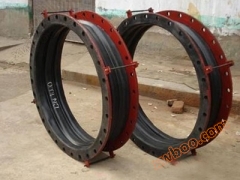
It is generally composed of a smooth waveform compensation element with rubber flanges at both ends and a metal flange ..
NegotiableUpdate on 03/14
- Model
- Nature of the Manufacturer
- Producers
- Product Category
- Place of Origin
Overview
Rubber compensator, also known as flexible rubber joint, shock absorber, pipeline shock absorber, shock absorber throat, flexible joint, etc
Product Details

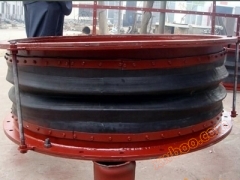
Rubber compensator, also known as flexible rubber joint, shock absorber, pipeline shock absorber, shock absorber throat, soft joint, etc. Rubber compensator (also known as rubber expansion joint, rubber expansion joint, flexible rubber joint, shock absorber, pipeline shock absorber, shock absorber throat, soft joint) is generally composed of smooth waveform compensation elements with rubber flanges at both ends and metal flanges. Metal flanges often adopt a loose sleeve structure. The surface of the waveform compensation element is made of rubber, and the inner layer is reinforced with several layers of strong fibers or steel strips (wires) that extend all the way to the rubber flanges at both ends, with a hard steel wire skeleton inside the flanges.
1. This product can greatly reduce the vibration and noise of pipeline systems, and fundamentally solve problems such as interface displacement, axial expansion and contraction, and different concentricity of various pipelines.
2. According to different materials, it can be made into various varieties such as acid resistant, alkali resistant, corrosion-resistant, oil resistant, heat-resistant, etc., suitable for various media and environments.
3. The material belongs to polar rubber, with good sealing performance, light weight, easy installation and maintenance, long service life, but avoid contact with sharp metal instruments to prevent puncturing the sphere.
4. If an elastic bracket can be used for overhead use, the bolts should be tightened diagonally during installation.
5. When the pipeline pressure is too high, use limit bolts to connect the flanges at both ends together.
8. The price is lower than that of metal compensators, and the quality is better than imported products. The price is 1/2 to 1/5 of imported products
Similar Product Recommend