-
E-mail
kefu@dm89.cn
-
Phone
177-6801-1972
-
Address
Room 203, Building 1, Gusu Credit Industry Park, 338 Shizi Street, Suzhou City
Product Categories
- Traceability plan for production process
- Implementation Plan of MES in Copper Smelting Company
- Electronic barcode warehouse management solution
- Workshop Production Equipment Management Plan
- Working hour management system
- MES solution for the electronics industry
- Suzhou Machinery MES Integrated Application Solution
- Barcode Traceability System Solution
- Production safety inspection system
- Industry standard solution for temperature and humidity monitoring system
- Electronic Kanban Scheme for Production Safety Operation Violations
- Suzhou Dianmai Clothing Production Management Software Solution
- Automatic winding machine winding monitoring system
- Workshop electronic signage solution
- Production traceability management system
- Software solution for equipment maintenance work orders in the wire and cable industry
- Production time management system
- MES Data Collection Plan
- On site warehouse positioning management system
- Material Management System
Suzhou Dianmai Software System Co., Ltd

MES Data Collection Plan
NegotiableUpdate on 10/01
- Model
- Nature of the Manufacturer
- Producers
- Product Category
- Place of Origin
Overview
Background: Industrial manufacturing enterprises generate a large amount of data during the production process, including equipment operation status, production process data, product quality measurement data, etc
Product Details
Background of the Proposal
Industrial manufacturing enterprises generate a large amount of data during the production process, including equipment operation status, production process data, product quality measurement data, etc. These data are crucial for enterprises to maintain equipment, manage production, and control quality. Therefore, how to effectively and automatically collect, process, store, and analyze this data has become an important challenge faced by industrial manufacturing enterprises.

Requirement for MES data collection
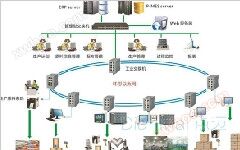
The MES data collection subsystem, as an important component of the MES system, plays a crucial role in highly automated industrial manufacturing enterprises. It is indispensable for most projects that require the implementation and implementation of MES systems. The design and implementation of MES data collection scheme need to consider the following aspects:
Scope of data collectionWhat data needs to be collected? What is the source of these data?
Method of data collectionWhat are the methods of data collection? Which method is more suitable for the production environment of our company?
Frequency of data collectionWhat is the frequency of data collection? The frequency of data collection needs to be determined based on the production environment and data usage requirements.
Security of data collectionHow to ensure the security of data collection? The security of data collection needs to be considered from the aspects of data collection devices, networks, databases, etc.
The process of MES data collection
1. Choose appropriate data collection equipment: Select the appropriate data collection equipment according to the data collection needs. These devices can be sensors, actuators, PLCs (Programmable Logic Controllers), etc. Ensure the stability, reliability, and compatibility of the equipment for accurate data collection.
2. Design a data collection network: Establish a stable and reliable data collection network to ensure efficient transmission and security of data. Wired or wireless networks can be used, and appropriate communication protocols and network devices can be selected according to the actual situation. At the same time, ensure that the stability and bandwidth of the network meet the requirements of data transmission.
3. Configure data collection software: Select suitable data collection software for configuring and managing data collection devices. These software can provide real-time data monitoring, data storage, data analysis, and other functions. Ensure that the software has a user-friendly interface and flexible configuration options for customization and expansion as needed.
4. Data storage and management: Establish a reliable data storage and management system for storing and managing collected data. Database or cloud storage technologies can be used to ensure the security and reliability of data. Meanwhile, establish appropriate data backup and recovery mechanisms to prevent data loss.
5. Data analysis and utilization: Utilize collected data for analysis and utilization to provide valuable information and insights. Data analysis tools, visualization tools, etc. can be used to perform statistical analysis, trend analysis, anomaly detection, etc. on data. By analyzing data, help enterprises optimize production processes, improve production efficiency and product quality.
6. Security and permission management: Ensure the security and permission management of the data collection system. Take appropriate security measures to prevent unauthorized access and data leakage. At the same time, based on user roles and permissions, different users are subject to permission management to ensure data compliance and confidentiality.

The benefits of enterprise implementation
The implementation of MES data collection scheme can bring the following benefits to enterprises:
Improve production efficiencyThrough data collection and analysis, enterprises can identify and solve problems in the production process, thereby improving production efficiency.
lower production costThrough data collection and analysis, enterprises can optimize their production processes, thereby reducing production costs.
Improve product qualityThrough data collection and analysis, enterprises can identify and solve product quality issues, thereby improving product quality.
Enhance the competitiveness of enterprisesThrough data collection and analysis, enterprises can understand market demand and the situation of competitors, thereby enhancing their competitiveness.
The implementation of MES data collection is an important part of industrial manufacturing enterprises' implementation of MES systems, and it is also an important means to improve production efficiency, reduce production costs, improve product quality, and enhance enterprise competitiveness. When implementing MES data collection solutions, enterprises can customize and expand them appropriately according to their specific needs and actual situations. It is necessary to design and implement according to one's own actual situation to ensure the effectiveness of the plan.
Similar Product Recommend