-
E-mail
867218790@163.com
-
Phone
15810615463
-
Address
Mapo Xiangyue Sijisan District, Shunyi District, Beijing
Product Categories
Beijing Jingke Zhichuang Technology Development Co., Ltd


MLCC-600 Ceramic Capacitor Dielectric Temperature Spectrometer
NegotiableUpdate on 11/20
- Model
- Nature of the Manufacturer
- Producers
- Product Category
- Place of Origin
Overview
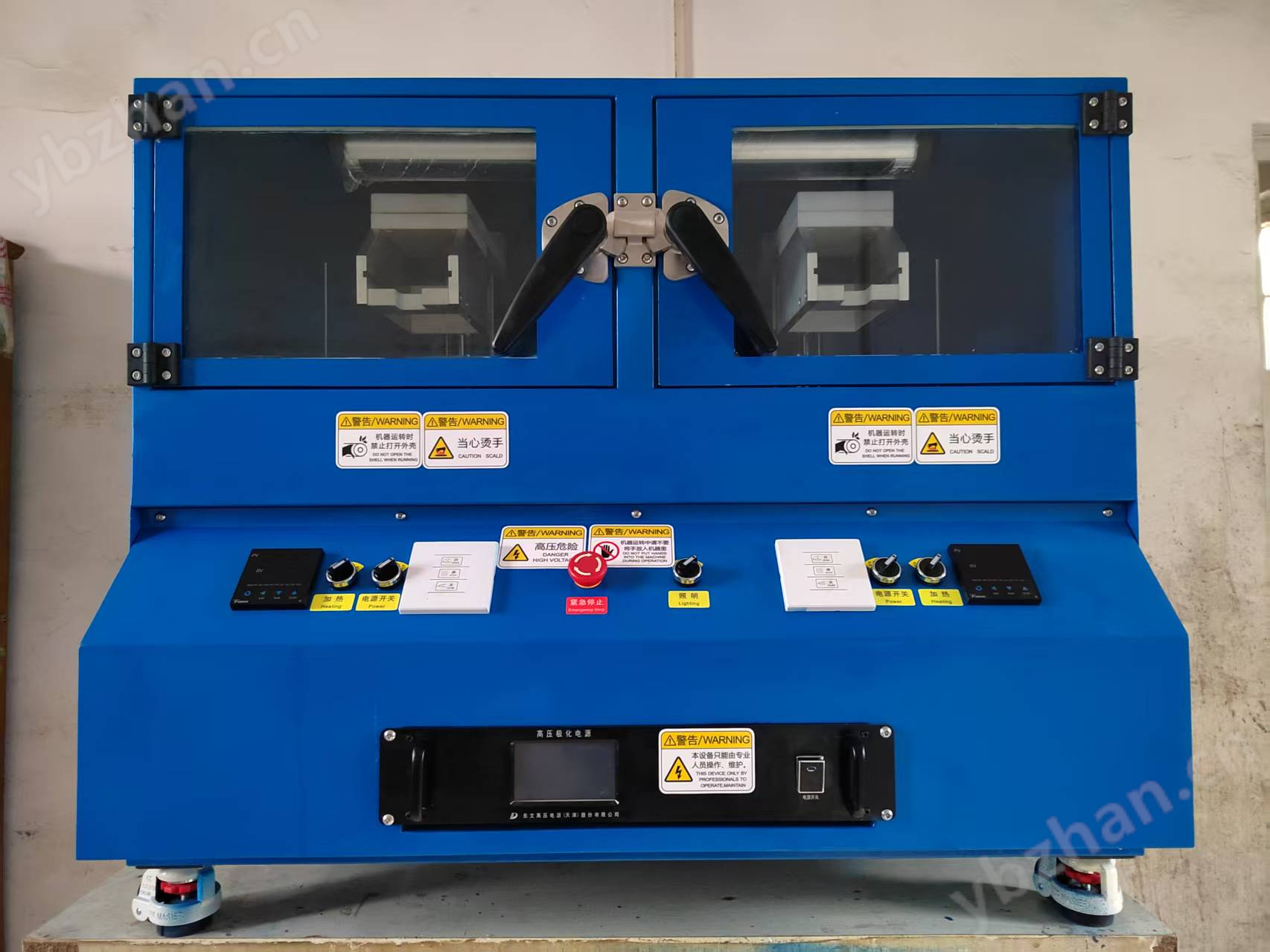
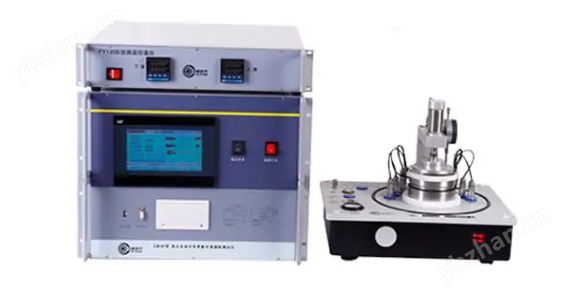
The MLCC-600 ceramic capacitor dielectric temperature spectrum tester is a device used for electronic material research, such as testing and studying ceramic capacitors, ferroelectric materials, piezoelectric materials, and other electronic materials. Through dielectric temperature spectrum testing, the Curie temperature of ferroelectric materials can be determined, and their dielectric properties at different temperatures can be evaluated, thus selecting suitable materials for the design and manufacturing of electronic devices. It is currently an important research equipment for studying advanced materials.
Product Details
MLCC-600typeDielectric temperature spectrum testing of ceramic capacitorsceremony

(1) Product Introduction:
MLCC-600The ceramic capacitor dielectric temperature spectrum tester is a device used forResearch on Electronic MaterialsFor exampleIn electronic materials such as ceramic capacitors, ferroelectric materials, piezoelectric materials, etcThe testing research,The Curie temperature of ferroelectric materials can be determined through dielectric temperature spectroscopy testing, and their dielectric properties at different temperatures can be evaluated to select suitable materials for the design and manufacture of electronic devices.It is currently an important research equipment for studying advanced materials.
(2) MainlyApplication field:
★Research on Electronic MaterialsIn the research and development of electronic materials such as ceramic capacitors, ferroelectric materials, and piezoelectric materials, it is used to study the phase transition behavior, polarization mechanism, and temperature stability of materials, providing a basis for optimizing their properties and applications. For example, dielectric temperature spectroscopy can be used to determine the Curie temperature of ferroelectric materials, evaluate their dielectric properties at different temperatures, and thus select suitable materials for the design and manufacture of electronic devices.
★Research on Polymer MaterialsUsed to analyze phenomena such as glass transition, molecular chain motion, and polarization relaxation in polymer materials, providing important information for the study of the relationship between the structure and properties of polymer materials. For example, when studying the dielectric properties of polymer based composites, dielectric temperature spectroscopy testing can help understand the influence of the interaction between fillers and matrix on the dielectric properties of the material.
★Research on Energy MaterialsIn the research of energy materials such as lithium-ion battery electrolytes and solid-state electrolytes, it can be used to evaluate the changes in the material's ion conductivity, interface stability, and other properties with temperature, providing guidance for improving the performance and safety of batteries. For example, dielectric temperature spectroscopy can be used to study the ion transport mechanism of solid electrolytes at different temperatures, optimize the composition and preparation process of electrolytes, and improve the charging and discharging efficiency and cycling stability of batteries.

Test content
The purpose of this experiment is to use the advanced dielectric temperature spectrum testing system of Guoguo Instrument to evaluate the performance of a certain companyMLCCPerform systematic dielectric temperature spectrum testing on the sample to evaluate its system performance.
01System Introduction

02. Testing Method

Using the parallel plate capacitance method, place the sample on a precisely temperature controlled sample stage with ceramic silver plates placed on it. One probe contacts the upper electrode of the sample, while the other probe contacts the silver layer of the ceramic silver plate, thereby conducting with the lower electrode of the sample and measuring the sample capacitance. Before testing, it is necessary to measure the sample size and input it into the software, so that the dielectric constant of the sample can be automatically calculated at different temperatures.
03. Test results

TCC has good repeatability, with small differences in curves between different rounds. The initial, temperature recovery, and secondary measurement trends of Dk and Df are consistent, and the data differences are small

TCC has good repeatability, with small differences in curves between different testing epochs, and consistent trends in Dk changes;

TCC has been tested multiple times with a good degree of agreement, with a change rate within+15%; The Cp test paper performs within the range of 0.085 μ F to 0.115 μ F, with a difference of less than 7% between the second and first tests at the same temperature. Under the 0.5V test condition, the performance is consistent with the nominal value.
04 Conclusion
The test results of ceramic discs and MLCC products meet the requirements, and the TCC, Dk, Df test results are consistent with the measured data.
2. The temperature control accuracy is+0.1 ℃. At a heating rate of 3 ℃/min, the actual sampling temperature difference of four frequencies at the same temperature is less than 0.2 ℃ ℃, and the adjacent temperature difference of the same category is ≤ 0.2 ℃, which is consistent with the single standard value of the configuration. The temperature control and temperature detection are accurate.
(4) Main technical parameters:
1Temperature range:-160℃-600℃
2Temperature measurement accuracy:0.1℃
3Heating rate:1—20.C/min
4Temperature control mode: program-controlled, providing various combination methods such as room temperature, variable temperature, constant temperature, heating, cooling, etc
5Communication interface:RS-485
6Testing frequency:20Hz~1MHz,5MHZChoose from multiple frequencies
7Electrode Material: Purple Copper Alloy
8Measurement accuracy:0.1%;
9Number of probes:2a
10、 通道:1a
11Software Function: Automatically analyze data, classify and save, combine samples and measurement plans together, generate experimental plans required by the system, and outputTXTTheXLSTheBMPEqual format file
12The measurement scheme can be evacuated, filled with atmosphere, and equipped with a cold water interface
13Interface methods: includingKeysight\\WayneKerr\\TonghuiWaiting for variousLCRinterface
14Sample stand: Silver stand35*35mm
15Net weight:22KG
Similar Product Recommend