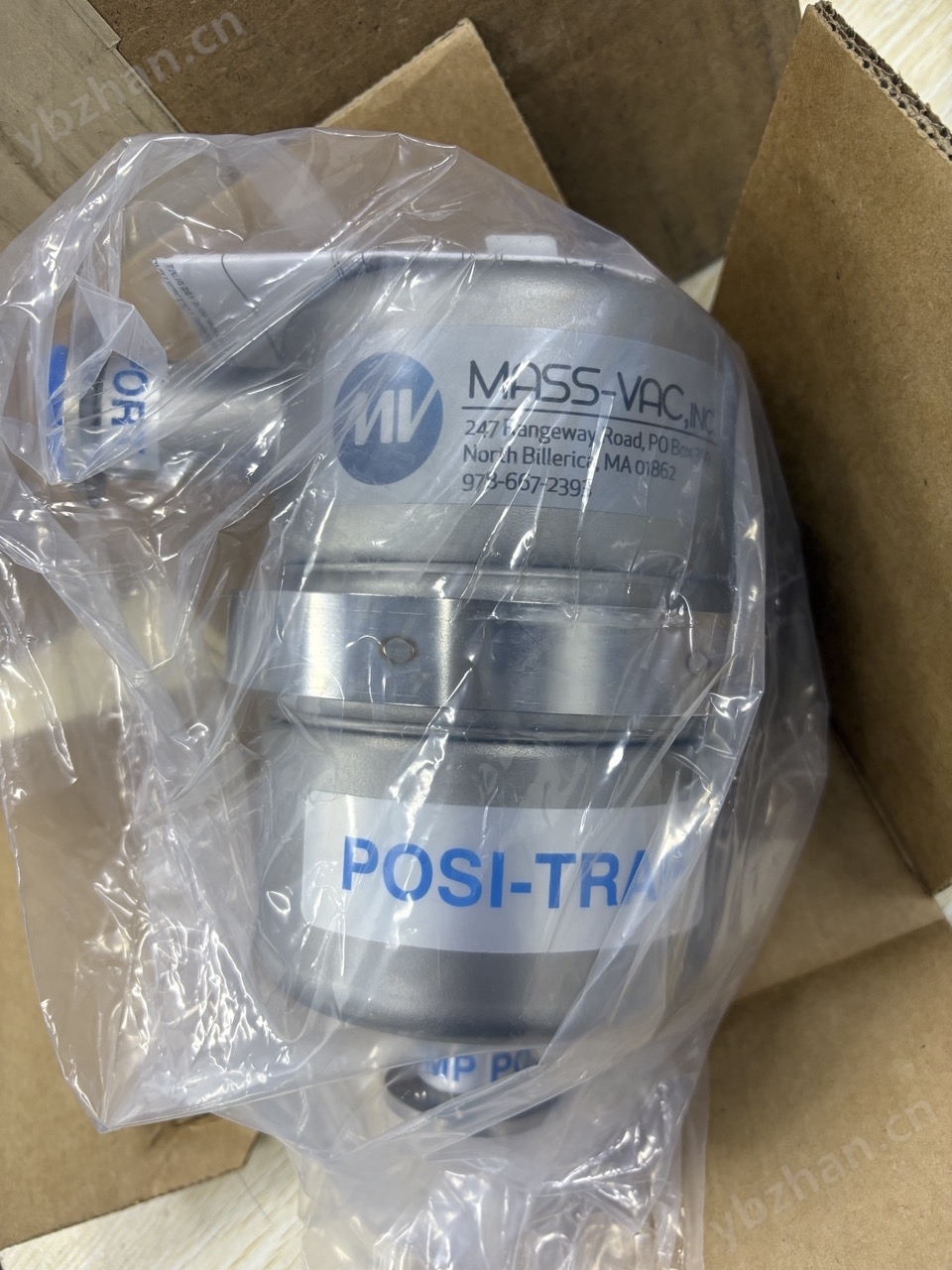
Mass flow controller MFC T series MFC adopts thermal sensor+low heat solenoid valve+pressure sensing technology $r $n to meet the mainstream measurement accuracy ≤ 1.0% S.P. (25% -100% F.S.) $r $n Repeatedly benchmarking industry products (≤ 0.2% F.S.)
Mass Flow Controller MFCT series MFC
Adopting thermal sensor+low heat solenoid valve+pressure sensing technologySatisfy mainstream measurement accuracy of ≤± 1.0% S.P. (25% -100% F.S.) and repeatability benchmarking industry products (≤± 0.2% F.S.).
Thermal measurement principleUsing two temperature sensors, one measuring the initial temperature of the gas and the other measuring the temperature of the heated gas, by calculating the temperature difference and combining it with the specific heat capacity of the gas, the mass flow rate of the gas is accurately calculated without compensating for changes in pressure and temperature, improving measurement accuracy1.
Principle of differential pressure measurementThe volume flow rate of gas is calculated by real-time measurement of the pressure difference generated when gas flows through the throttling element using a differential pressure flow sensor. The control valve adjusts the opening accurately based on the measurement and feedback of the flow sensor to ensure that the gas flow rate through the MFC matches the preset value2.
high-precision measurementBy adopting advanced sensor technology and manufacturing processes, high-precision gas flow measurement and control can be achieved, with measurement errors as low as ± 0.5% readings and repeatability of ± 0.1%, meeting the strict requirements of nanoscale flow fluctuations in semiconductor and other high-tech fields3.
quick responseEquipped with PID controller and high-speed solenoid valve, these components can correct flow deviation in milliseconds, with a response time usually less than 100ms, and can respond to various dynamic changes in a timely manner to ensure stable flow1.
Wide rangeWide range coverage, suitable for scenarios ranging from small flow rates to high flow rates, such as covering the range of 0.1 sccm to 20000 slpm, meeting the needs of different application scenarios3.
Multi gas compatibilitySupports precise measurement and control of multiple gases, such as N ₂, Ar, H ₂, SiH ₄, NH ∝, CF ₄ and other common gases. Multi gas calibration technology can be used to ensure high accuracy in measuring different gases14.
Good stabilityKey components such as sensors and heating elements typically use constant temperature control technology to reduce the impact of temperature drift on measurement accuracy. At the same time, laser welding technology is used to manufacture the flow channel, effectively avoiding leakage and ensuring the accuracy and long-term stability of measurement results1.
Multiple communication interfacesEquipped with communication interfaces such as RS485 and Profibus, it supports real-time display of temperature, pressure, standard/working condition flow and other parameters on the touch screen, making it convenient for users to remotely operate and monitor. It can be integrated with various automation control systems3.
Semiconductor and Electronic ManufacturingIn processes such as wafer processing, thin film deposition (CVD/PVD), and etching (Etching), precise control of the flow rate of reaction gases ensures process stability and chip performance.
Chemical and pharmaceutical industryUsed to control the flow rate of gases in the reactor during chemical reactions, such as O ₂, CO ₂, etc., to optimize reaction rate and product quality.
New energy and fuel cell productionAdjusting the input flow rates of hydrogen and oxygen can optimize the electrochemical reaction efficiency and battery output power. It can also be used to control the separation and flow rate of oxygen and hydrogen during electrolysis, as well as manage the gas flow rate during CO ₂ capture and compression processes.
Environmental Monitoring and LaboratoryProvide standard gas flow rates for equipment such as gas chromatographs (GC) and mass spectrometers (MS), and can also be used to accurately control gas sampling flow rates for environmental monitoring equipment, such as PM2.5 and VOCs detection.