-
E-mail
kefu@dm89.cn
-
Phone
177-6801-1972
-
Address
Room 203, Building 1, Gusu Credit Industry Park, 338 Shizi Street, Suzhou City
Product Categories
- Traceability plan for production process
- Implementation Plan of MES in Copper Smelting Company
- Electronic barcode warehouse management solution
- Workshop Production Equipment Management Plan
- Working hour management system
- MES solution for the electronics industry
- Suzhou Machinery MES Integrated Application Solution
- Barcode Traceability System Solution
- Production safety inspection system
- Industry standard solution for temperature and humidity monitoring system
- Electronic Kanban Scheme for Production Safety Operation Violations
- Suzhou Dianmai Clothing Production Management Software Solution
- Automatic winding machine winding monitoring system
- Workshop electronic signage solution
- Production traceability management system
- Software solution for equipment maintenance work orders in the wire and cable industry
- Production time management system
- MES Data Collection Plan
- On site warehouse positioning management system
- Material Management System
Suzhou Dianmai Software System Co., Ltd
Material Management System
NegotiableUpdate on 10/01
- Model
- Nature of the Manufacturer
- Producers
- Product Category
- Place of Origin
Overview
Overview: The Material Management System covers all tasks related to material management, including integrated requirements planning, procurement, inventory warehousing, etc
Product Details
Overview
The Materiel Management System covers all tasks related to material management, including integrated requirements planning, procurement, inventory warehousing, and more. Specifically involving various related businesses such as demand planning, procurement management, supplier management, price management, contract management, bidding management, quality management, inventory management, sales management, etc.
Various business processes are implemented on the public system business center platform, and together with the budget center and general ledger center, form a complete integrated operating system. The material management system, as a core component of the enterprise ERP system, is fully and effectively integrated with other subsystems.
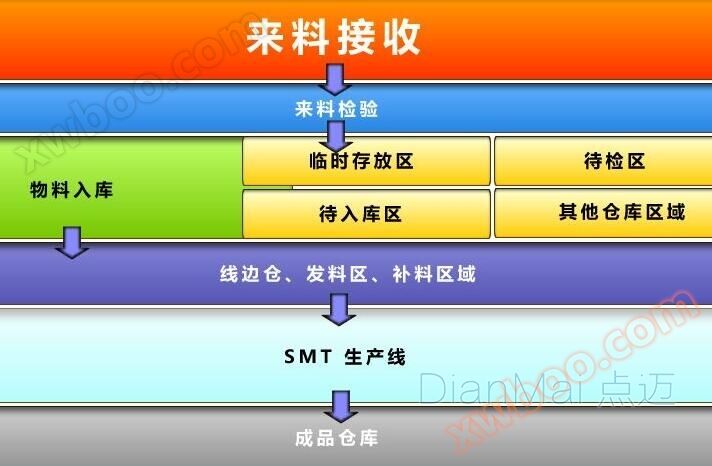
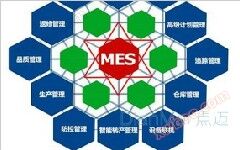
Figure 1: Main functions of the material management system
Main Features
*Introduce the control function of budget on material requirement planning;
*Integrate with the equipment management system to achieve process based management of materials (general materials);
*All kinds of material business processing are implemented on the public system business center platform;
*Suitable for group users, supporting third-party logistics models;
*Provide powerful query, analysis, reporting, and warning functions. Users can set query modes, analysis systems, reporting modes, and warning conditions/values according to their preferences, in order to better provide enterprise managers with various information that is helpful for management decisions. Application Solution for Error Prevention Material Management System
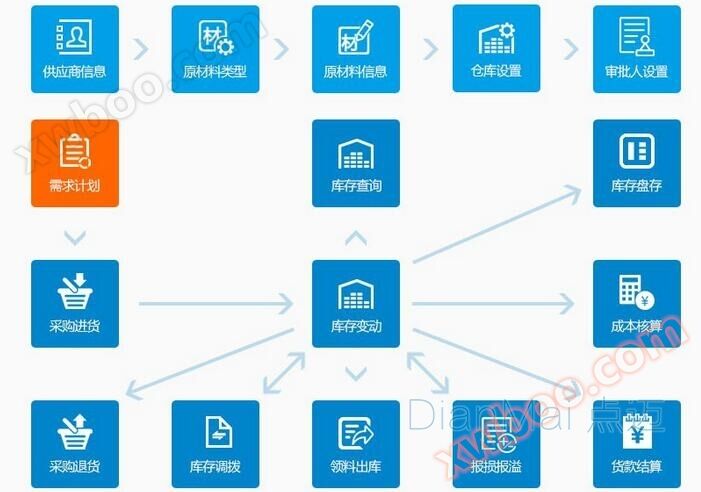
Figure 2: Main functional processes of the material management system
Module Introduction
1. Basic information management:The principle of providing one-time basic data entry and further automatic updates along this direction, as well as automatic data entry techniques such as document scanning.
2. Requirement planning management:The material management module and the Ilp ERP system can be tightly integrated, and procurement requirements from sales orders, cost centers, or MRP can be directly converted into purchase orders. The selection of suppliers is also automated. The material management module can also be applied separately, and manual procurement can be directly converted into purchase orders or manually intervened.
3. Procurement management/contract management:Automatically generated according to the procurement plan, the system automatically detects the supplier's supply capacity and authority, and updates progress information automatically.
4. Supplier management:Provide supplier file information maintenance and manage suppliers based on the supplier development and assessment system set by the user.
Highly integrated with other modules.
5. Bidding management:Provide the setting of bidding conditions, based on document management, monitor the entire bidding process, and leave complete records in the system for easy reference and verification at any time.
6. Procurement and warehouse management:When the goods are accepted, the relevant purchase order will be automatically checked. If the differences exceed the pre-set allowable limits (such as delivery date and quantity, etc.), the goods will be rejected. The receipt of goods enables timely modification of inventory data, while the amounts received and issued are updated accordingly in the financial system.
7. Inventory storage management:It has powerful customization functions, providing customized storage and retrieval types, warehouse locations, levels, and other aspects.
*Inventory management: supports multiple business models such as calculating arrival orders, purchase invoices, and direct purchase inventory based on procurement. Support various business formats such as arrival on delivery, arrival but not on delivery, and arrival but not on delivery. Application case of feeding error prevention system
*Outbound management:
*Inventory management:
*Transfer management:
*Management of reporting and scrapping:
*Alarm and warning management: supports alarms and warnings for shelf life, safety stock level, inventory procurement points, etc.
8. Statistical analysis: Provides powerful statistical analysis functions, supports customized summarization and multidimensional comparative analysis by customers, and intelligently processes reports.
Similar Product Recommend