-
Phone
18562616366
-
Address
Jiaodong Industrial Park, Jiaozhou City, Qingdao, Shandong Province
Product Categories
Qingdao Runze Electronic Purification Equipment Co., Ltd
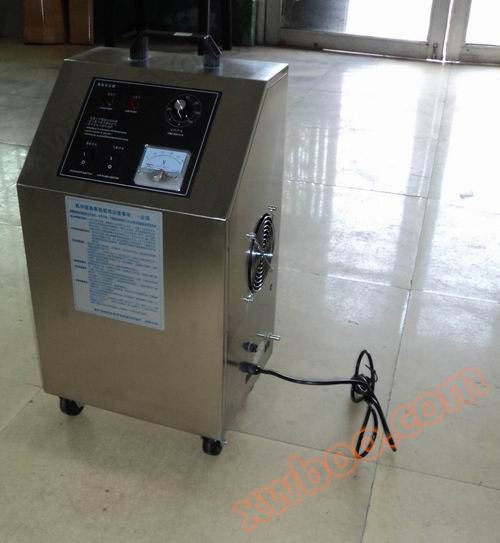
Medical ozone generator
NegotiableUpdate on 10/25
- Model
- Nature of the Manufacturer
- Producers
- Product Category
- Place of Origin
Overview
The oxidation ability of ozone is much better than that of general oxidants, and it is the strongest oxidant discovered so far. It can still maintain its strong oxidation reaction ability below room temperature
Product Details
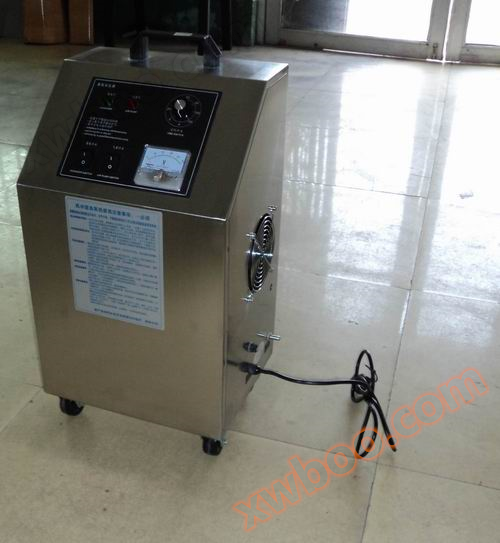
The oxidation ability of ozone is much better than that of general oxidants, making it the strongest oxidant discovered so far. It can still maintain its strong oxidation reaction ability below room temperature. It can oxidize organic compounds that are difficult to destroy, bacteria that are difficult to kill, and viruses that are difficult to inactivate. Its products do not contain carcinogenic or carcinogenic organic halides; The oxidation rate of ozone is very fast and the reaction is complete; The remaining ozone can be rapidly reduced to oxygen, and can only be reduced to oxygen. Ozone mainly relies on its powerful oxidizing effect to kill bacteria. It can oxidize and decompose glucose oxidase and dehydrogenase oxidase in bacteria, and can also directly interact with bacteria to disrupt the redox process of bacterial material metabolism, causing bacterial death. Therefore, ozone is a broad-spectrum fungicide that can kill bacterial reproductive bodies and spores, viruses, fungi, protozoan cysts, and can also destroy botulinum toxin.
The most ideal effect is to use ozone for sterilization and disinfection of drinking water; The best effect is to kill pathogenic bacteria; Secondly, viruses; After the cyst and spore forming bacteria. Moreover, ozone has a sterilization rate in water that is 600-3000 times faster than the commonly used chlorides. The bactericidal effect of chlorine is progressive; Ozone is rapid, and once its concentration reaches the required threshold, its killing effect occurs instantly. For example:
1.1 For Escherichia coli: Treatment with 0.1mg/L active chlorine requires 4 minutes; And the same dose of ozone only takes 5 seconds.
1.2 For poliovirus: Treatment with 0.5-1.0mg/L (residual chlorine) requires 1.5-3.0 hours; And using ozone only requires 0.045-0.45mg/L (residual ozone) to act for 2 minutes. There are also reports that 0.1-0.2mg/L ozone can kill 99% of poliovirus in water in one second.
Using ozone at a concentration of 0.5-1.0mg/L for 1-3 minutes can kill 99% of amoebic cysts in water.
1.4 Using ozone at a concentration of 59-728mg/L for 30-90 minutes can kill all Bacillus subtilis spores in water.
Using 50mg/L concentration of ozone for 10 minutes, the killing rate of various microorganisms can reach 99.99% to 100%.
The use of ozone to disinfect the air and contents in enclosed spaces is also effective. Due to the fact that disinfection is carried out through gas convection and contact, the disinfection is complete, without dead corners, and there are no residual toxins. It should be noted that this method can only sterilize the surface of objects; Helpless about the interior of objects. When using ozone fumigation for disinfection, a higher relative humidity results in better sterilization effect; Otherwise, the effect is poor and has almost no killing effect on dry bacterial cells.
Compared to ultraviolet disinfection, ozone disinfection is much better. Due to the fact that ultraviolet disinfection is mainly carried out through radiation sterilization, its irradiation intensity gradually decreases as the distance of ultraviolet propagation increases; In addition, ultraviolet lamps produce very little ozone; Therefore, the sterilization effect is not ideal in places where ultraviolet radiation cannot reach, and generally cannot meet the sterilization requirements.
The bactericidal effect of ozone on air:
1) For Streptococcus: Apply at a concentration of 1.0PPm for 5 minutes.
2) For Staphylococcus: Apply at a concentration of 1.0PPm for 30 minutes.
3) For viruses: Apply at a concentration of 10PPm for 5 minutes.
4) Fumigation and disinfection of contaminated surfaces: Apply at a concentration of 200-4000 PPm for more than 20 minutes.
Similar Product Recommend