-
E-mail
info@conasen.com
-
Phone
15810054208
-
Address
2-1702, New Era Building, No. 13 Beiyuan Road, Chaoyang District, Beijing
Product Categories
Beijing Kangansen Instrument Technology Co., Ltd
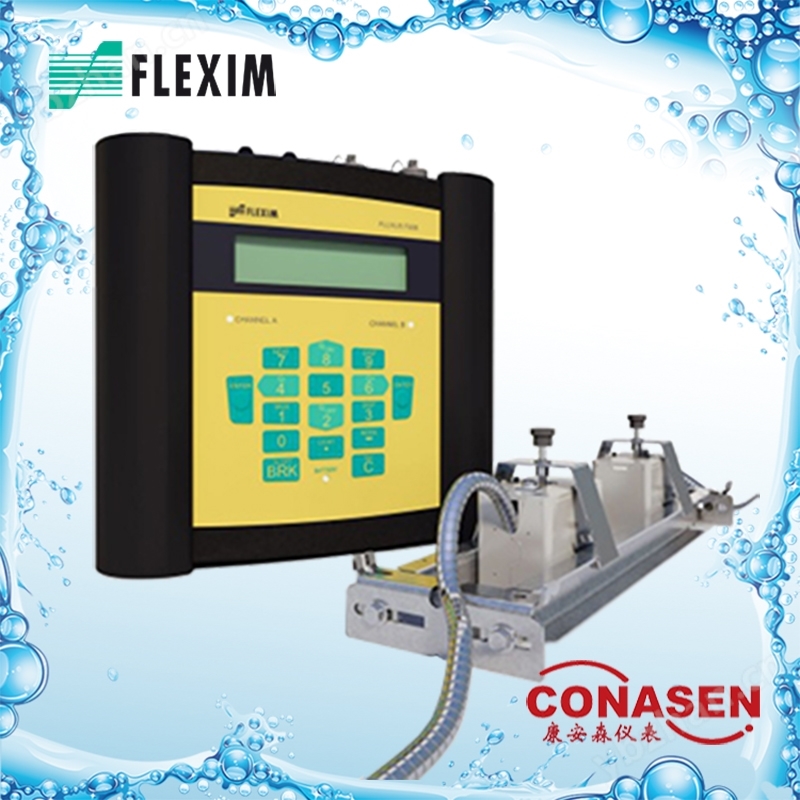
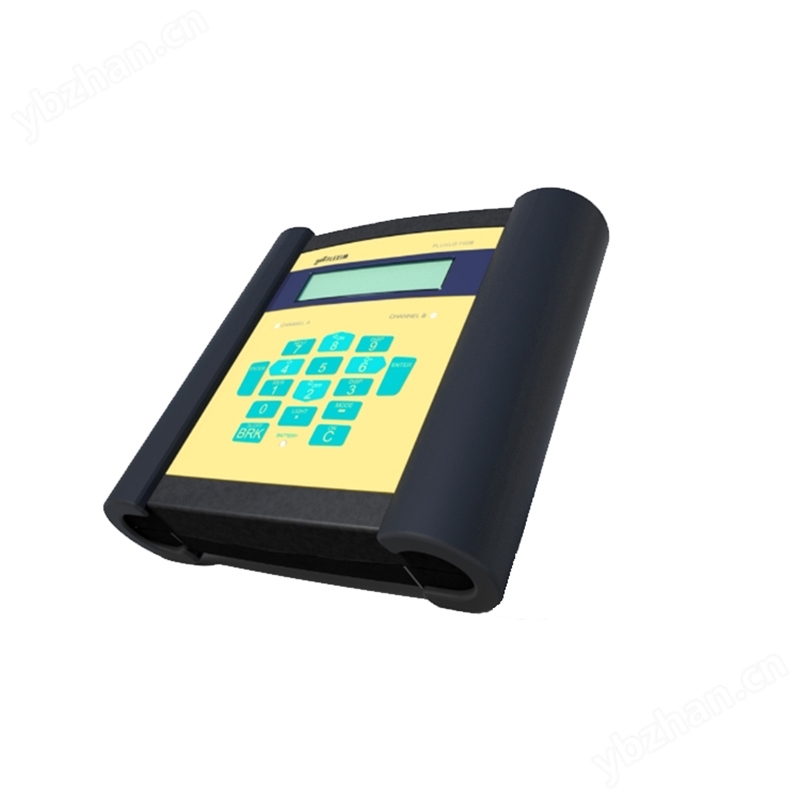
Micro flow flowmeter
NegotiableUpdate on 11/20
- Model
- Nature of the Manufacturer
- Producers
- Product Category
- Place of Origin
Overview
The micro flow measurement of F608 micro flow flowmeter is a special and challenging branch in the field of fluid measurement, which has a wide range of applications in biomedicine, semiconductor manufacturing, chemical experiments, precision spraying, chromatographic analysis, fuel cells, microfluidics and other fields. Due to the extremely low flow rate, high requirements have been put forward for measurement principles, sensor design, signal processing, and environmental interference.
Product Details
Micro flow measurement is a special and challenging branch in the field of fluid measurement, which has a wide range of applications in biomedicine, semiconductor manufacturing, chemical experiments, precision spraying, chromatographic analysis, fuel cells, microfluidics, and other fields. Due to the extremely low flow rate, high requirements have been put forward for measurement principles, sensor design, signal processing, and environmental interference.
Key performance indicators of small flow meters:
When choosing a small traffic timer, special attention should be paid to:
Range: Minimum and maximum measurable flow rates.
Accuracy: The degree to which a measured value is close to the true value (usually expressed as% of reading or% of full scale).
Repeatability: The consistency of multiple measurement results under the same conditions.
Resolution: The minimum detectable change in flow rate.
Response Time: The speed of responding to changes in traffic.
Pressure Drop: The pressure loss caused by the flow meter itself.
Media Compatibility: The chemical and biological compatibility with the fluid being tested.
Temperature/pressure range: Requirements for working environment.
Selection and application precautions for small flow meters:
Clear requirements: flow range, accuracy, fluid type (gas/liquid, viscosity, corrosiveness, presence of particles), operating temperature/pressure, installation space, whether mass flow is required, etc.
Prioritize thermal and differential pressure (LFE): In most industrial and scientific applications, these two are the mainstream choices for measuring small flow rates.
Pay attention to cleanliness: The channel of the micro flowmeter is small, so it is necessary to ensure the cleanliness of the fluid and install a filter if necessary.
Avoid bubbles: Bubbles in liquids can seriously affect measurements (especially thermal and differential pressure), and degassing or anti bubble design should be considered.
Installation and piping: Follow the manufacturer's requirements, pay attention to straight pipe sections, avoid vibration, correct grounding, etc.
Calibration and maintenance: Regular calibration is crucial. Maintain according to usage and fluid characteristics.