-
E-mail
lixin@yunjingtianhe.com
-
Phone
15666887396
-
Address
Room 206, Building 1, Weifang High tech Zone Optoelectronic Industry Accelerator (Phase I), No. 155 Optical Circuit, Weifang High tech Zone, Shandong Province
Product Categories
Shandong Tianhe Environmental Technology Co., Ltd
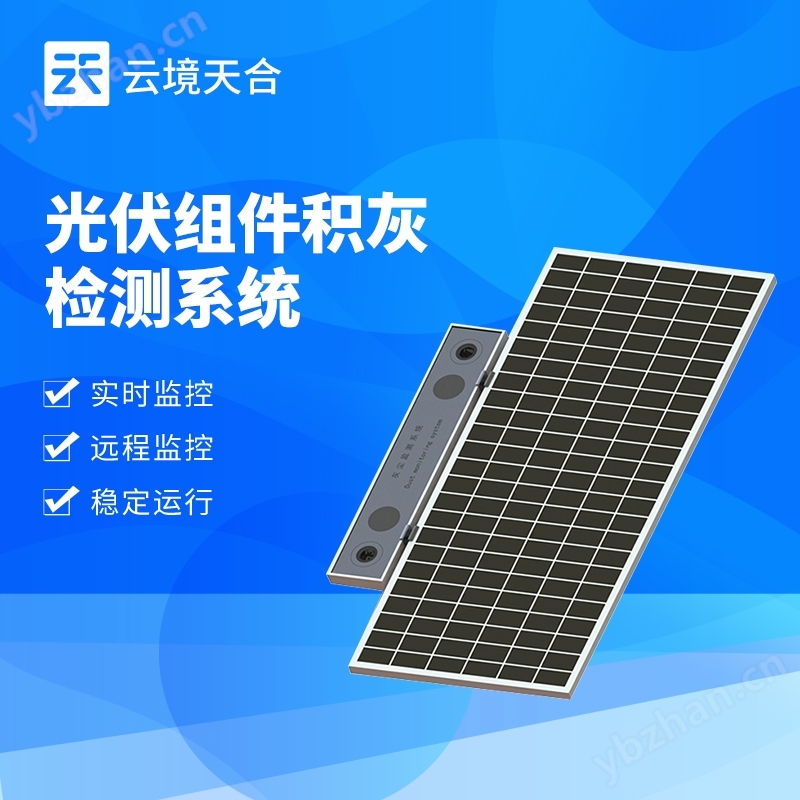
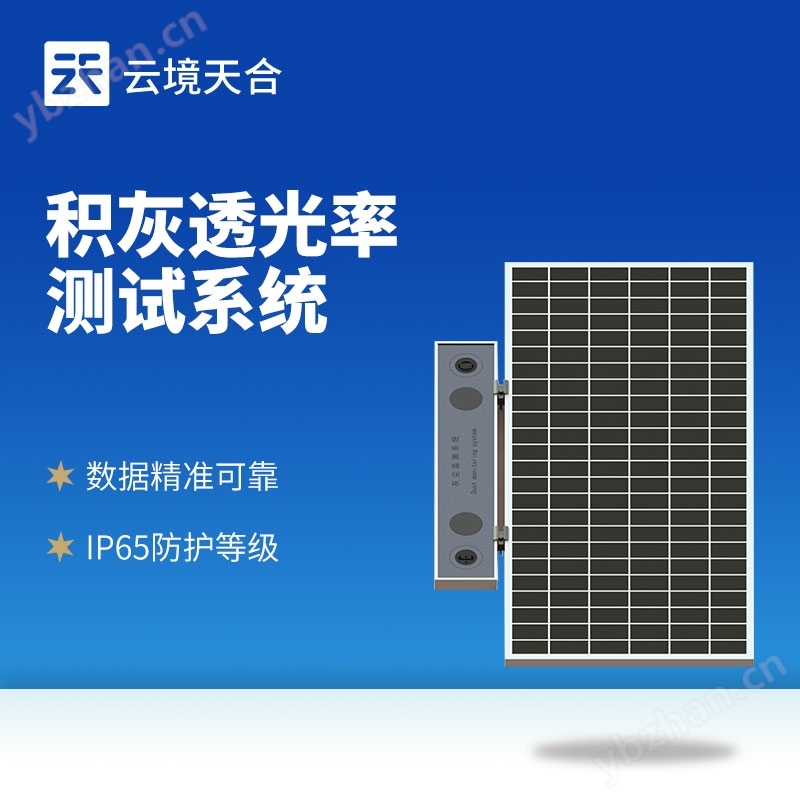
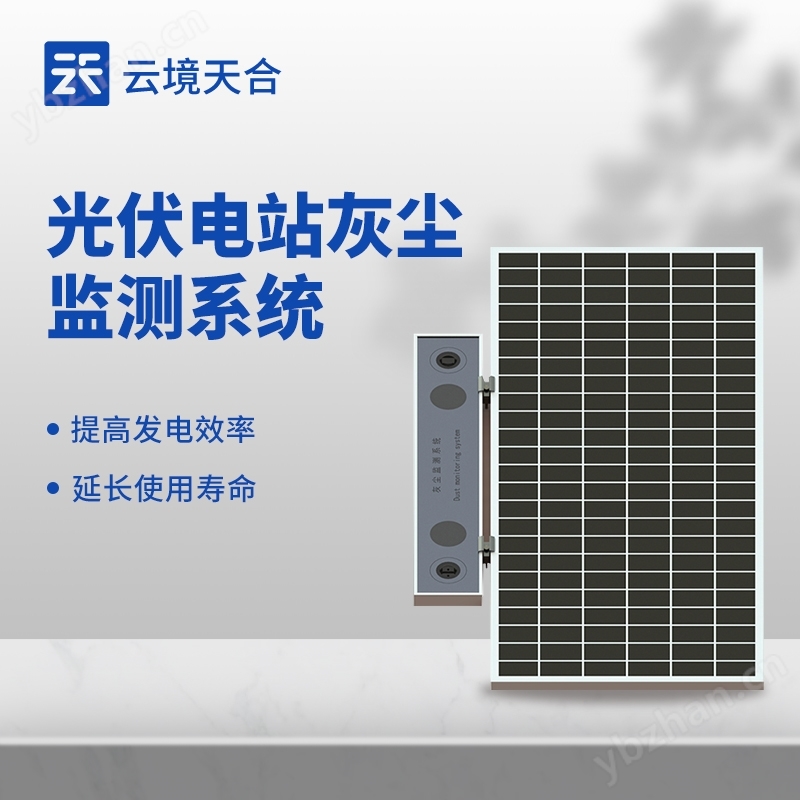

Photovoltaic power plant dust monitoring equipment
NegotiableUpdate on 11/20
- Model
- Nature of the Manufacturer
- Producers
- Product Category
- Place of Origin
Overview
The dust monitoring equipment of photovoltaic power plants improves power generation efficiency by timely cleaning the dust on the surface of photovoltaic panels, reducing the obstruction of sunlight by dust, and increasing the transmittance of photovoltaic panels, thereby improving power generation efficiency. Experimental data shows that when the transmittance decreases by 5%, the power loss of typical photovoltaic modules can reach 3% to 5%. In areas with frequent sandstorms, the monthly power loss can even exceed 12%. Reduce operation and maintenance costs by accurately monitoring dust accumulation and avoiding water and manpower waste caused by excessive cleaning. The system supports docking with intelligent cleaning robots to achieve automated cleaning operations, further reducing operation and maintenance costs. Extended Light
Product Details
Photovoltaic power plant dust monitoring equipmentImproving power generation efficiency by timely cleaning the dust on the surface of photovoltaic panels, reducing the obstruction of sunlight by dust, and increasing the transmittance of photovoltaic panels, thereby enhancing power generation efficiency. Experimental data shows that when the transmittance decreases by 5%, the power loss of typical photovoltaic modules can reach 3% to 5%. In areas with frequent sandstorms, the monthly power loss can even exceed 12%. Reduce operation and maintenance costs by accurately monitoring dust accumulation and avoiding water and manpower waste caused by excessive cleaning. The system supports docking with intelligent cleaning robots to achieve automated cleaning operations, further reducing operation and maintenance costs. Extending the service life of photovoltaic systems by timely cleaning the dust on the surface of photovoltaic panels can avoid serious problems such as "hot spot effect" caused by dust accumulation and prolong the service life of photovoltaic systems. In the long run, this will help power plants achieve higher power generation and more stable revenue.

1、 Product Overview
The pollutants on the glass of solar modules are one of the main issues that rapidly affect photovoltaic power plants, reducing power generation efficiency and cost-effectiveness. The use of blue light pollution closed loop measurement (OMBP) technology can easily be installed in new or existing photovoltaic arrays and integrated into power plant management systems. The device is installed on the frame of the photovoltaic panel. By continuously measuring the transmission loss caused by pollutants on the glass, the reduction in sunlight reaching the solar module can be calculated.
Photovoltaic power plant dust monitoring equipmentBy measuring the proportion of pollutants (SR), it is converted into real-time loss of power generation. This allows operation and maintenance personnel to know when pollutants reach the critical point and when it is necessary to start the cleaning process. This product does not require maintenance and only needs to be cleaned in the same way when cleaning surrounding components.
Due to the varying pollution rates of large photovoltaic power plants throughout the entire park, the IEC 61724-1 standard requires multi-point measurement. Compared to traditional systems, it has much lower procurement, installation, and maintenance costs, making it more economical, so cleaning can be planned at the time and place needed.
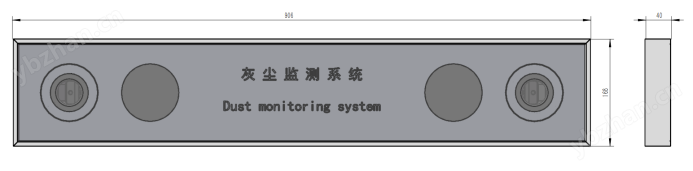
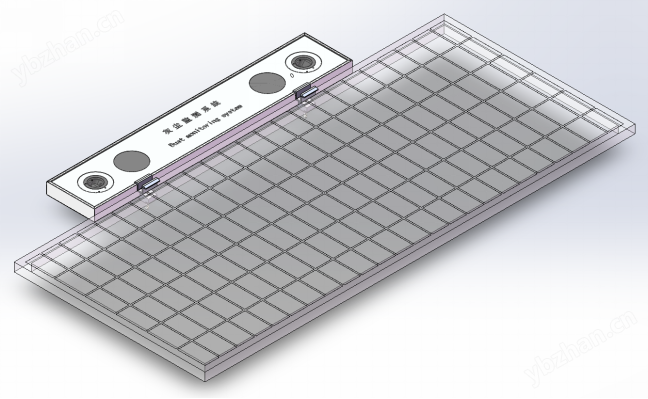
2、 Product appearance dimensions
3、 Main functions and features
Main function: Dust monitoring system, mainly used for dust monitoring of photovoltaic equipment, helping photovoltaic equipment achieve real-time and remote monitoring of dust. When the cleanliness of the photovoltaic panel surface is insufficient, it prompts users to clean it in a timely manner to reduce energy loss and improve power generation efficiency.
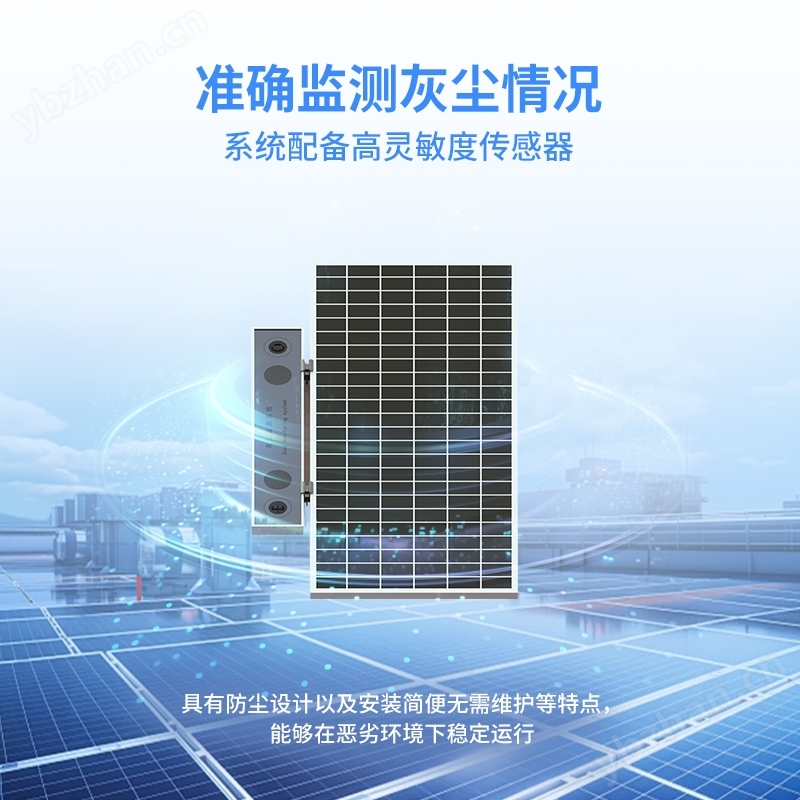
Product features: The photovoltaic dust monitoring system is equipped with high-sensitivity sensors, which can accurately monitor the dust situation on the surface of photovoltaic panels. It has dust-proof design and easy installation without maintenance, and can operate stably in harsh environments.
Equipment description: The photovoltaic dust monitoring system is a device used to monitor the dust coverage on the surface of photovoltaic panels. It is mainly used to improve the efficiency of photovoltaic power generation and maintain the photovoltaic system. Its main functions and product features make it an important auxiliary equipment in the photovoltaic power generation system, helping users clean the photovoltaic panels in a timely manner, improve power generation efficiency, and extend the service life of the photovoltaic system.
4、 Technical parameters
| Product model parameters | HS1 |
| power supply voltage | DC 12V |
| average power | 1W |
| Instantaneous maximum power | 2.5W |
| Range of smoothness measurement | 50%~100% |
| resolution | 0.5% |
| accuracy | 1% |
| Operating Temperature | -50℃~+80℃ |
| Operating Humidity | 30%-70% |
| Storage temperature | -20~65℃ |
| Protection level | IP65 |
| Product weight | 3.65KG |
| Product volume | 906*168*40mm |
| output method | RS485 |
| communication protocol | Modbus |
| Baud rate | Default 9600, adjustable |
| Shell material | aluminum profile |
| power cord length | 20m |
| Communication line length | 20m |
5、 Instructions for use
Connect the device according to the wiring instructions (except for the power input and 485 communication output ports, all other peripheral devices have been connected at the factory). After connecting the 12V power supply, the host or acquisition device can be used for communication.
6、 Equipment installation
Preparation before installation:
Dust monitoring system equipment, dust monitoring solar connector A * 4, dust monitoring solar connector B * 4, screw and nut M8 * 70 kit * 4.
Installation description:
This device needs to be installed in conjunction with the photovoltaic panel. After preparing for installation, the dust monitoring device should be placed parallel to the solar photovoltaic panel, with the glass surface facing the light receiving surface of the solar panel. The dust monitoring solar connector A should be placed in an inverted shape between the solar panel and the dust monitoring system device, and the dust monitoring solar connector B should be placed at the bottom of the device. Use M8 screws and nuts to penetrate and tighten, and repeat the steps to fix the installation at multiple points.
Similar Product Recommend