-
E-mail
181235891@qq.com
-
Phone
15522773951
-
Address
4th Floor, Building H4, Changyuan Road International Enterprise Community, Wuqing Development Zone, Tianjin City
Product Categories
Tianjin Zhongwei Electronic Technology Co., Ltd

Pipeline density meter
NegotiableUpdate on 11/20
- Model
- Nature of the Manufacturer
- Producers
- Product Category
- Place of Origin
Overview
Performance Characteristics: Accuracy Class: 0.002g/cm3 Density Range: 0-3g/cm3 Output: 4-20mA+Hart Power Supply: 16-36VDC Resolution: 0.001g/cm3 Environmental Temperature: -30~80 ℃ Medium Temperature: -40~150~400 ℃ Connection Method: DN50, DN80 (customizable) Membrane Material: 316L, HC, Tantalum, PTFE Application Fields: Dairy Industry Mining; Food processing; $r $n Pulp and Paper Industry; $r $n beverage processing; transform
Product Details
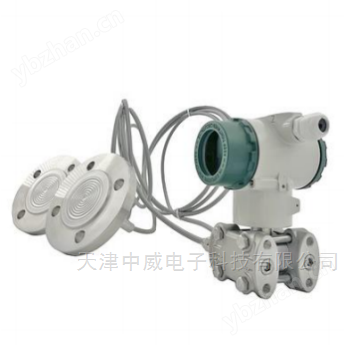
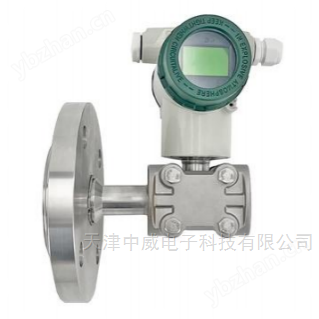
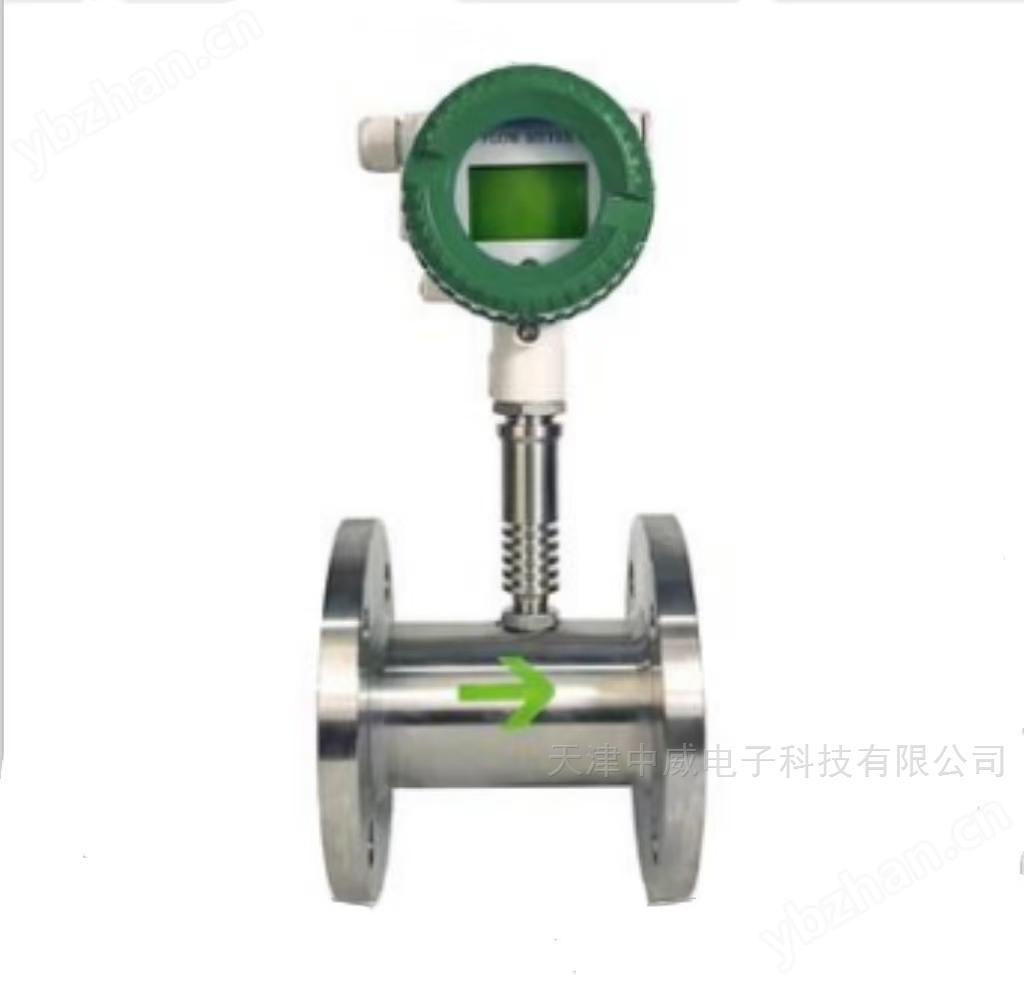
Pipeline density meterIt is an instrument used for online measurement of liquid density in pipelines, characterized by high precision and real-time monitoring. It can continuously and dynamically detect fluid density by directly installing it in the pipeline system without the need for additional storage tanks or containers. Choosing a suitable pipeline density meter requires comprehensive consideration of multiple factors to ensure the accuracy of measurement results and the reliability of the equipment. Firstly, clarifying the measurement requirements and operating conditions is the key to selecting a pipeline densitometer. Understanding the type, density range, temperature, pressure, viscosity, and impurities of the medium, as well as factors such as space size, temperature, humidity, vibration, and electromagnetic interference in the installation environment, can help select suitable instrument materials, structures, and models. Secondly, the screening of core performance indicators is also important. The measurement accuracy should be selected according to the process requirements, and the range should ensure coverage of the actual measured density values. The response time should be selected based on the frequency of medium density changes, and the protection level and explosion-proof level should be selected according to the requirements of the installation environment. The durability of materials and structural design is also a factor that needs to be considered. The material of key components should be selected based on factors such as the corrosiveness and temperature of the medium. The structural design should consider functions such as anti blocking, maintenance free, and temperature compensation to improve measurement accuracy and reduce maintenance costs. Economic and cost-effectiveness analysis cannot be ignored. The initial procurement cost should be based on the budget to select suitable brands and models, while the long-term usage cost should consider energy consumption, maintenance and calibration costs, as well as service life, in order to choose products with high cost-effectiveness.