-
E-mail
qiuriheng@163.com
-
Phone
13691762133
-
Address
3rd Floor, Building 1, No. 35 Guanlan Avenue, Longhua New District, Shenzhen
Product Categories
Shenzhen Xinchuangyi Technology Co., Ltd
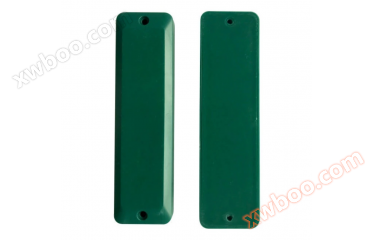
RFID anti metal tag manufacturer
NegotiableUpdate on 04/11
- Model
- Nature of the Manufacturer
- Producers
- Product Category
- Place of Origin
Overview
Product parameter advantages, characteristics, and application fields: Xinchuangyi is a professional manufacturer specializing in special RFID anti metal tags
Product Details
- Product parameters
- Advantages and Characteristics
- application area
Xinchuangyi is a professional manufacturer specializing in special RFID anti metal tags. It uses PC material to develop ABS industrial grade RFID tags, which mainly highlight long-distance reading and writing of 30M, anti metal performance, and high temperature resistance
|
Technical Parameter |
|
|
Operating Frequency |
(American Standard)902-928MHz,(european standard) 865-868MHz |
|
Protocol standards |
EPC Class1 Gen2, ISO18000-6C |
|
Scan Distance |
22.0m - (American Standard) 902-928MHz,Metal surface;11.0m - (American Standard) 865-868MHz,Non metallic surfaces 30.0m - (American Standard) 902-928MHz,Metal surface;16.0m - (American Standard) 865-868MHz,Non metallic surfaces |
|
chip type |
Alien H3 |
|
Chip capacity |
EPC:96bit(Encodeable) USERdistinguish:512bit(readable and written) |
|
rewrite cycle |
10one million time |
|
Data Storage |
50year |
|
Physical parameters |
|
|
Appearance color |
Green (red, black, green, white) |
|
Encapsulant |
304stainless steel+Industrial grade epoxy resin |
|
Product size |
118x22mm, (hole: 2individual) *10mm |
|
Product weight |
38g |
|
Installation method |
Screws and rivets |
|
protection grade |
IP68 |
|
Product packaging |
100pcs/box |
|
Environmental parameters |
|
|
operation temperature |
-30℃~+85℃ |
|
storage temperature |
-40℃~+230℃ |
|
Working humidity |
<95% |
1. Operating frequency of RF tag
The working frequency range of RF tags is 860 MHz -930 MHz. The tag chip contains an automatic tuning mechanism, which makes the electronic tag more stable in commonly used media environments and has excellent environmental adaptability.
2. Memory area of RF tag
The memory area of the RF tag should include a tag identification area (TID area), an item identification area (EPC area) of no less than 128 bits, a user data area (User area) of no less than 512 bits, and a reserved area (Reserved area) of 64 bits.
Unique identification of 3 RF tags
The working frequency range of RF tags is 860 MHz -930 MHz. The tag chip contains an automatic tuning mechanism, which makes the electronic tag more stable in commonly used media environments and has excellent environmental adaptability.
2. Memory area of RF tag
The memory area of the RF tag should include a tag identification area (TID area), an item identification area (EPC area) of no less than 128 bits, a user data area (User area) of no less than 512 bits, and a reserved area (Reserved area) of 64 bits.
Unique identification of 3 RF tags
The TID area of the RF tag should contain the unique identifier of the tag.
Basic functions of RF tags
Supports all mandatory and access commands of ISO/IEC 18000-6 Type C. Meet the multi label anti-collision requirements of ISO/IEC 18000-6 Type C. This electronic tag has high read and write efficiency, advanced data integrity and error detection capabilities. In addition, it contains anti-collision mechanisms and self suppression functions for read tags, which perform better than general electronic tags in multi tag recognition applications.
5 Data Security
Supports all mandatory and access commands of ISO/IEC 18000-6 Type C. Meet the multi label anti-collision requirements of ISO/IEC 18000-6 Type C. This electronic tag has high read and write efficiency, advanced data integrity and error detection capabilities. In addition, it contains anti-collision mechanisms and self suppression functions for read tags, which perform better than general electronic tags in multi tag recognition applications.
5 Data Security
Support locking, unlocking, and deactivation functions. The RF tag can be set with a 32-bit access password and a 32-bit kill password. The access password and deactivation password should support permanent locking, which means they are not readable or writable. The TID (96 bit) area should be permanently locked and cannot be unlocked. The UII and User areas support locking and unlocking functions and meet the corresponding requirements of ISO/IEC 18000-6 Type C.
6. Encoding and storage of RF tags
Print the corresponding Code39 barcode and related identification information on the front of the label. The data written into the RF tag should be consistent with the barcode encoded data printed on the front of the paper and the characters for human recognition.
The barcode number is the asset number of the electrical equipment, and the EPC of the electronic label is set as the asset number of the electrical equipment.
The unique identification information of the TID area of the tag can be associated with the asset number written in the EPC area and archived to increase anti-counterfeiting performance.
7. Material of RF tags
The label surface material is made of PET material.
8. RF tag read and write frequency
More than 100000 times
9. Storage time of RF tag data
More than 20 years
Print the corresponding Code39 barcode and related identification information on the front of the label. The data written into the RF tag should be consistent with the barcode encoded data printed on the front of the paper and the characters for human recognition.
The barcode number is the asset number of the electrical equipment, and the EPC of the electronic label is set as the asset number of the electrical equipment.
The unique identification information of the TID area of the tag can be associated with the asset number written in the EPC area and archived to increase anti-counterfeiting performance.
7. Material of RF tags
The label surface material is made of PET material.
8. RF tag read and write frequency
More than 100000 times
9. Storage time of RF tag data
More than 20 years


