-
E-mail
0317-8080802
-
Phone
15076474477
-
Address
Botou Chenxin Machinery Equipment Manufacturing Co., Ltd
Product Categories
Botou Chenxin Machinery Equipment Manufacturing Co., Ltd
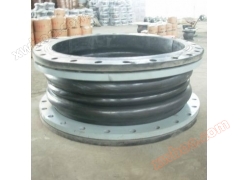
Rubber flexible joint, also known as rubber joint, rubber flexible joint, flexible joint, shock absorber, pipeline shock absorber ..
NegotiableUpdate on 03/14
- Model
- Nature of the Manufacturer
- Producers
- Product Category
- Place of Origin
Overview
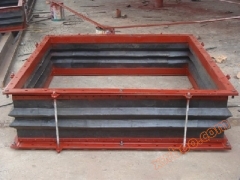
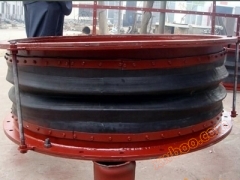
Rubber soft joint, also known as rubber joint, rubber flexible joint, soft joint, shock absorber, pipeline shock absorber, shock absorber throat, etc., is a type of pipeline joint with high elasticity, high airtightness, medium resistance, and weather resistance
Product Details
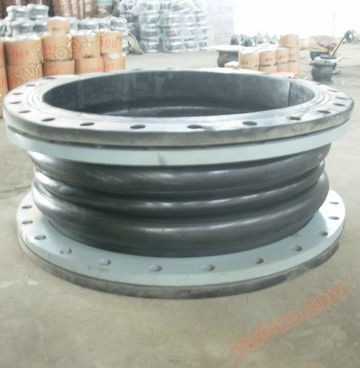
Rubber soft joint, also known as rubber joint, rubber flexible joint, soft joint, shock absorber, pipeline shock absorber, shock absorber throat, etc., is a type of pipeline joint with high elasticity, high airtightness, medium resistance, and weather resistance. This product utilizes the elasticity, high airtightness, medium resistance, weather resistance, and radiation resistance of rubber. It is made by compounding high-strength and thermally stable polyester curtain fabric diagonally, and then vulcanization through high-pressure and high-temperature molds. The rubber soft connection ball is composed of an inner rubber layer, a reinforcement layer with multiple layers of scraped nylon curtain fabric, and an outer rubber layer composite rubber tube. The rubber materials used vary depending on the medium, including natural rubber, styrene butadiene rubber, butyl rubber, nitrile rubber, EPDM rubber, chloroprene rubber, silicone rubber, fluororubber, and so on. They have functions such as heat resistance, acid resistance, alkali resistance, corrosion resistance, wear resistance, and oil resistance.
instructions:
When using rubber joints for high-rise water supply, the pipeline must have fixed supports or brackets, otherwise anti pull devices should be installed on the product. The force of the fixed support or bracket must be greater than the axial force, otherwise anti pull devices should also be installed.
Applicable medium:
According to different materials, it can be made into various varieties such as acid resistance, alkali resistance, corrosion resistance, oil resistance, high temperature resistance, low temperature resistance, wear resistance, etc., suitable for various media and environments
Installation method:
1. Rubber joints must not be installed beyond the displacement limit during installation.
2. The installation bolts should be symmetrical, gradually pressurized and tightened to prevent local leakage.
For working pressures above 3.1.6MPa, the installation bolts should have elastic pressure pads to prevent loosening during operation.
When installed vertically, there should be vertical force support at both ends of the joint pipeline, and anti pull devices can be used to prevent the work from being compressed and pulled off.
5. The installation location of rubber joints should be away from heat sources Ozone zone It is strictly prohibited to expose to strong radiation and use media that do not meet the requirements of this product
6. It is strictly prohibited for sharp tools to scratch the surface and sealing surface of rubber joints during transportation, loading and unloading.
Connection method:
Generally, there are threaded connections, flange connections, clamp connections, and so on.
explain:
1. This product can greatly reduce the vibration and noise of pipeline systems, and fundamentally solve problems such as interface displacement, axial expansion and contraction, and different concentricity of various pipelines.
2. According to different materials, various varieties such as acid resistant, alkali resistant, corrosion-resistant, oil resistant, heat-resistant, etc. can be made to adapt to various media and environments.
3. The material belongs to polar rubber, with good sealing, light weight, easy installation and maintenance, and long service life. However, it should avoid contact with sharp metal instruments to prevent puncturing the sphere.
4. If used overhead, elastic brackets can be equipped, and bolts should be tightened diagonally during installation.
When the pipeline pressure is too high, use limit bolts to connect the flanges at both ends together.
Similar Product Recommend