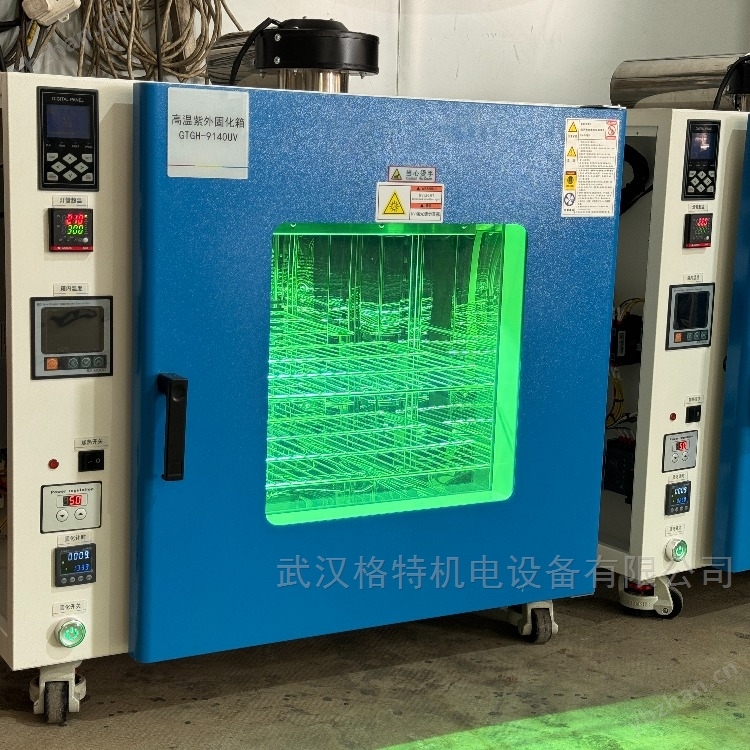
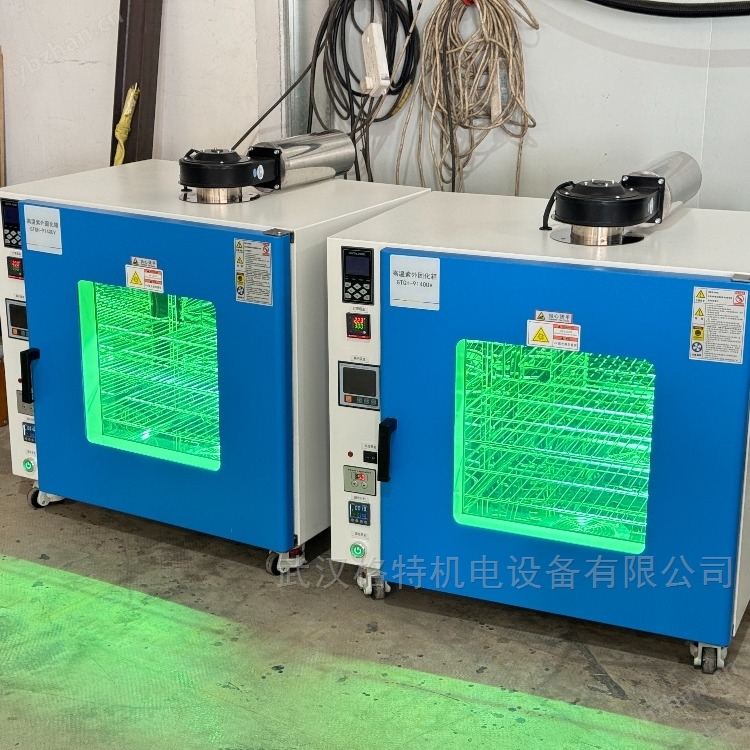
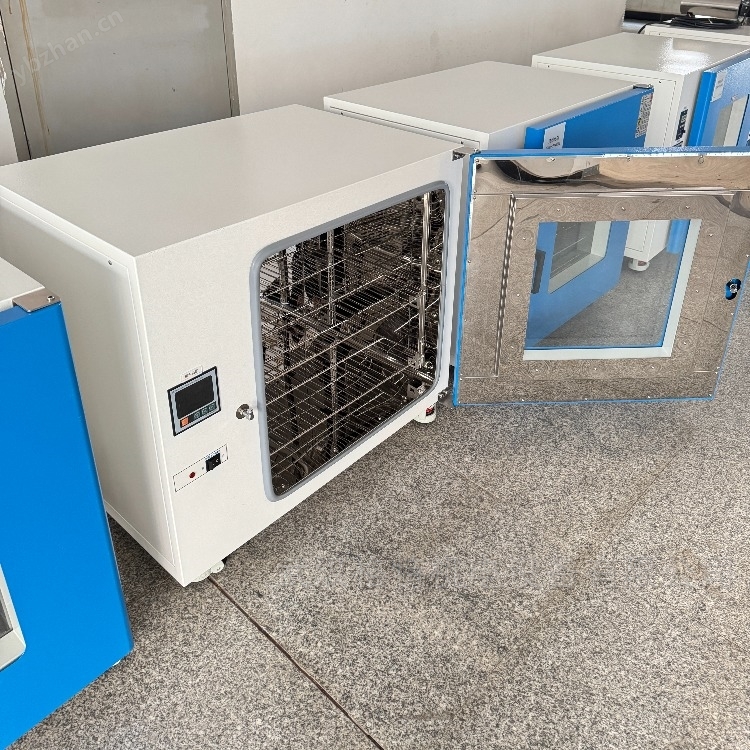
The curing of coatings significantly shortens the production cycle through the use of thermosetting box technology for coatings. The core principle is to accelerate the chemical reaction or physical drying process of coatings by optimizing temperature control, curing equipment, and process parameters.
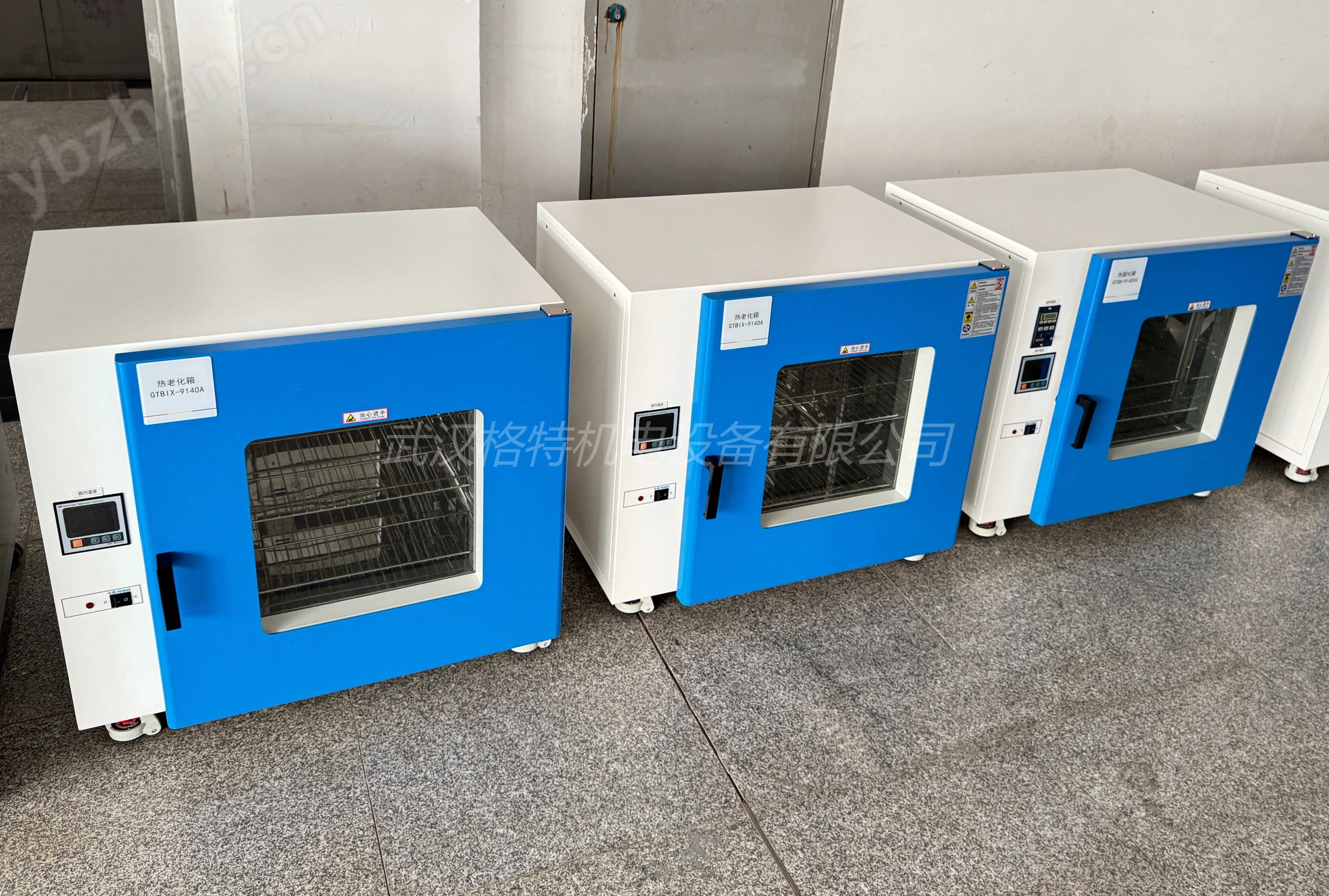
1. The core function of the thermosetting box
Accelerate chemical reactionsThe thermosetting box promotes the cross-linking reaction of resin or coating through a high-temperature environment (usually using PID temperature control algorithm with an accuracy of ± 1 ℃), which can shorten the time and improve efficiency compared to natural curing.
Physical drying strengtheningFor solvent based coatings, high temperature can accelerate solvent evaporation, but it is necessary to balance temperature and wind speed to avoid surface curing too quickly and causing paint film defects.
2. Key technologies for shortening production cycles
Temperature uniformity control:Special curing box for thermosetting coatingsAdopting a hot air circulation system to ensure temperature fluctuations of ≤± 2%, avoiding insufficient or excessive local curing.
Vacuum assisted technologySome models are equipped with vacuum function to reduce oxidation reactions, further shorten curing time, and improve coating density.
Curing agent optimizationCombined with efficient curing agents (such as epoxy resin hardeners), rapid crosslinking can be achieved through catalysis or addition reactions, directly affecting the curing speed and coating hardness.
3. Compare with other curing methods
UV curingDependent on UV induced photopolymerization, instant drying, but limited by substrate transparency; Heat curing is suitable for opaque or thick coating scenes.
Radiation curingThe solvent-free system reacts rapidly through a photoinitiator, but requires precise ratio of resin and diluent. Thermal curing is more suitable for uniform treatment of complex shaped workpieces.
4. Practical application cases
Motor stator insulation coatingCuring epoxy resin in a high-temperature oven, completing the traditional 48 hour process within 6 hours, while increasing the dielectric strength to over 30kV/mm.
Industrial bondingThermosetting single component adhesives are more efficient than two-component products, but require a balance between temperature and bonding strength.
5. Precautions
temperature limitExcessive temperature may cause coating cracking or performance degradation, and parameters need to be adjusted according to the type of coating (such as water-based UV resin).
Energy consumption and costHot curing requires continuous heating, which may increase energy consumption, but the overall efficiency improvement can offset some of the costs.
Special curing box for thermosetting coatingsThrough precise temperature control and equipment innovation, it has become a key tool for shortening the production cycle of coatings, especially suitable for industrial scenarios that require high efficiency and quality.