-
E-mail
0317-8080802
-
Phone
15076474477
-
Address
Botou Chenxin Machinery Equipment Manufacturing Co., Ltd
Product Categories
Botou Chenxin Machinery Equipment Manufacturing Co., Ltd

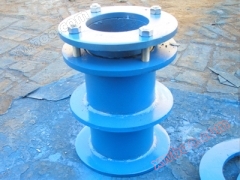
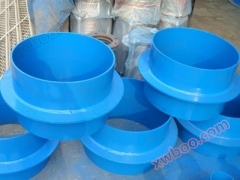
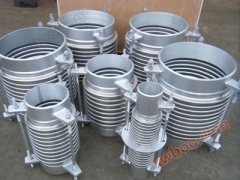
Stainless steel waterproof conduit, often made of welded pipes, with mechanical cutting at both ends (such as using a toothless saw...)
NegotiableUpdate on 03/14
- Model
- Nature of the Manufacturer
- Producers
- Product Category
- Place of Origin
Overview
Stainless steel waterproof sleeves are generally suitable for structures where pipelines pass through walls and are subject to vibration or have tight waterproof requirements; When encountering non concrete walls, concrete walls should be used instead, and flexible waterproof sleeves must be solidified inside the wall at once; Stainless steel waterproof conduit is used in construction, chemical, steel, tap water, sewage treatment and other units
Product Details

Stainless steel waterproof sleeves are generally suitable for structures where pipelines pass through walls and are subject to vibration or have tight waterproof requirements; When encountering non concrete walls, concrete walls should be used instead, and flexible waterproof sleeves must be solidified inside the wall at once; Stainless steel waterproof conduit is used in construction, chemical, steel, tap water, sewage treatment and other units. When pipelines pass through foundations, interior walls, floor slabs, etc., it is necessary to avoid disturbance to the building caused by the use of pipelines (pressurized pipelines, such as water supply, heating, etc.). At the same time, flexible waterproof sleeves facilitate the installation and maintenance of pipelines. Short pipes that are larger than the outer diameter of the installed pipeline and meet the requirements in terms of material and length should be installed at the locations where pipelines pass through foundations, interior walls, floor slabs, etc.
Stainless steel waterproof casing is often made of welded pipes, and both ends should be mechanically cut (such as using a toothless saw, etc.). The wall thickness requirements are not strict. Waterproof conduit "is a specially made conduit used when pipelines pass through buildings or structures with waterproof requirements, such as basements. Commonly used rigid waterproof conduit. Rigid waterproof casing requires welding of a waterproof ring wing outside the casing, with strict requirements for the wall thickness of the casing and the ring wing, and ensuring the quality of the weld seam. When pipelines pass through shear wall foundations, beams, and special-shaped columns constructed of concrete, they should be installed together with the civil engineering. The reason is that the secondary pouring between the casing and the concrete is difficult to handle after reserving the holes; Some cannot be handled, such as installing rigid waterproof sleeves on the concrete shear walls of basement foundations. When pipelines pass through concrete floor slabs or ordinary brick walls, holes are usually reserved in the concrete floor slabs, while ordinary brick walls can be drilled through the wall holes afterwards. At the floor slab, before installing pipelines, disconnect the wires and install sleeves. On the brick wall, draw lines, install brackets, find the slope, and install sleeves.
Similar Product Recommend