-
E-mail
328031918@qq.om
-
Phone
13356711513
-
Address
Room 104, 1st Floor, Workshop 3, Oulong Technology Park, No.1 Jinma Road, Yuqing Community, Xincheng Street, Weifang High tech Zone, Shandong Province
Product Categories
Shandong Boke Instrument Co., Ltd

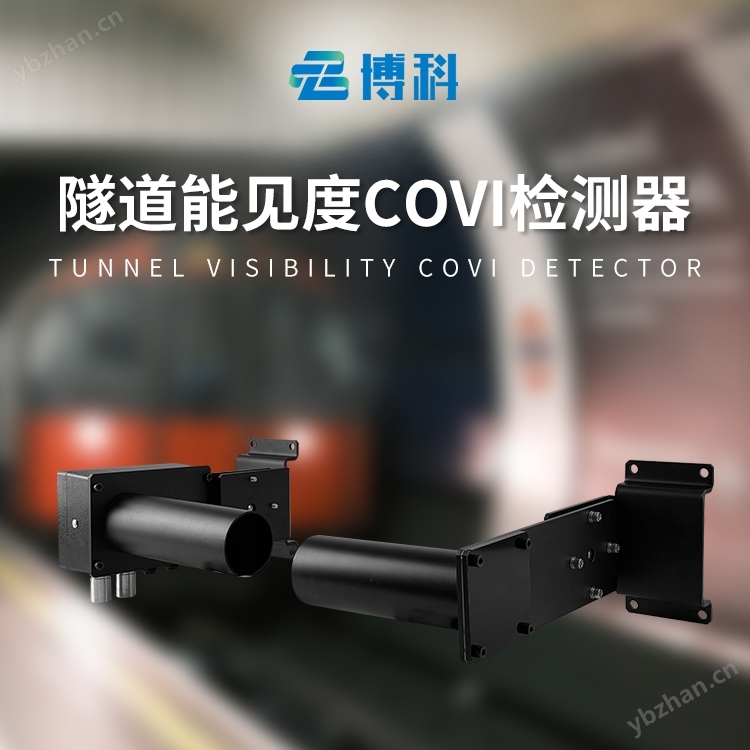
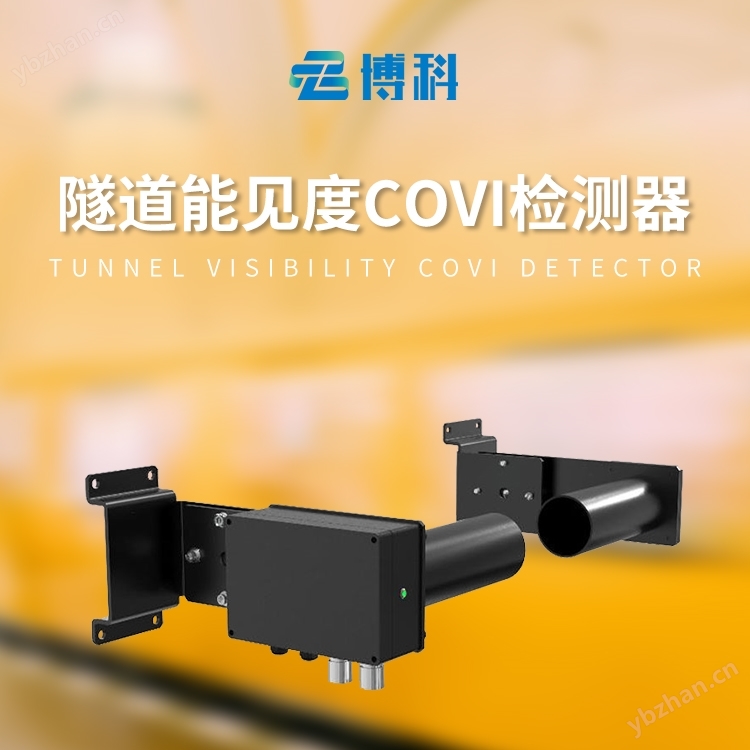
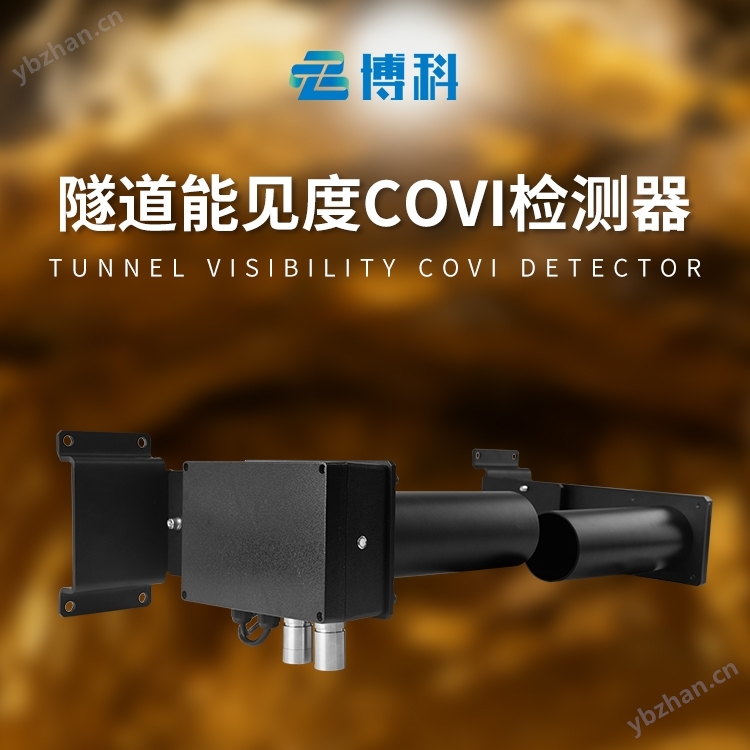

Tunnel visibility detector
NegotiableUpdate on 11/20
- Model
- Nature of the Manufacturer
- Producers
- Product Category
- Place of Origin
Overview
The tunnel visibility detector works based on the principle of transmission, with the transmitter/receiver and reflector installed relative to each other. After being fixed and aligned with a bracket, the highly focused beam emitted by the optical components becomes a detection beam. The installation distance is 3 meters apart (with a round-trip dual optical path and an actual detection path length of 6 meters). Due to the attenuation of dust, the receiver processes the signal into a measurement value. According to the requirements of China's "Design Code for Ventilation and Lighting of Highway Tunnels", it should be installed on the top or side walls of the tunnel.
Product Details
Product Introduction
Tunnel visibility detectorAccording to the principle of transmission, the transmitter/receiver and reflector are installed relative to each other. After being fixed and aligned by a bracket, the highly focused beam emitted by the optical components becomes a detection beam. The installation distance is 3 meters apart (with a round-trip dual optical path and an actual detection path length of 6 meters). Due to the attenuation of dust, the receiver processes the signal into a measurement value. According to the requirements of China's "Design Code for Ventilation and Lighting of Highway Tunnels", it should be installed on the top or side walls of the tunnel.
thatTunnel visibility detectorInternally equipped with compensation function, it can automatically perform gain compensation when the optical lens is contaminated, ensuring a longer maintenance cycle. Tunnels are a special type of tubular structure that, due to their small space and enclosed nature, can cause the accumulation of CO and suspended particulate matter in the exhaust gases emitted by vehicles passing through the tunnel if not discharged in a timely and reasonable manner. This directly affects the personal safety of the drivers, passengers, and maintenance personnel of vehicles passing through the tunnel.
The SDN1 series is designed to collect VI/CO data online and provide it to traffic supervision departments, providing decision-making basis for tunnel ventilation and road safety.
Product Features
1. Can measure visibility (VI) and carbon monoxide (CO) simultaneously or separately;
2. High resolution visibility measurement;
3. The measurement is not affected by other stray light sources;
4. Specially designed for harsh tunnel environments;
5. Effectively avoid the inability to measure caused by environmental and passing vehicle vibrations;
6. Low installation, startup, and maintenance costs;
7. The instrument comes with status display, fault alarm, and data storage functions, making it easy to debug and maintain the equipment;
8. Multiple output modes, convenient data collection;
9. Compensation function ensures a longer maintenance cycle;
10. Non contact and continuous monitoring of visibility;
11. Equipped with the latest microprocessor technology and running digitally
Technical Specifications
Installation method: Wall mounted installation
Power supply mode: AC 90-305V
Measurement value: VI value: 1/m,
CO concentration: PPM
Measurement principle: ray projection method
Measurement range: V I: 0-35 × 10-31/m,
CO:0--1000PPM
Measurement distance: 6-meter optical path (probe installation distance of 3 meters)
Accuracy: V I: ± 0.0001 1/m,
CO:±1PPM
Output interval: 10 seconds
Digital output: RS485
Analog signal output: 3-channel 0/4mA-20mA (internal impedance not exceeding 500 Ω)
Data update rate: 6/min
Reliability: Average time not less than 5000 hours
Automatic compensation function: VI has self calibration and automatic zero point function
Power consumption:<15W
Environmental temperature: -40~+75 ℃
Air humidity: 0~100% RH