-
E-mail
sales@kingfar.cn
-
Phone
13021282218
-
Address
4th Floor, Building 16, Guanghua Entrepreneurship Park, No. 18 Qinghe Anningzhuang East Road, Haidian District, Beijing
Product Categories
- Vision and Eye Tracking
- ErgoSIM Building Lighting and Light Environment Simulation Laboratory
- Industry Solutions
- BCI Brain Computer Interface and Brain Computer Interaction
- FNIRS near-infrared brain functional imaging
- Telemetry based eye tracking
- High speed eye tracking
- Wearable Eye Tracking
- ErgoAI Intelligent Product Human Computer Interaction Evaluation Laboratory
- Cognitive and Brain Function Testing
Beijing Jinfa Technology Co., Ltd


Visual ergonomics evaluation module
NegotiableUpdate on 11/19
- Model
- Nature of the Manufacturer
- Producers
- Product Category
- Place of Origin
Overview
The visual ergonomics evaluation module can conduct human-machine ergonomics analysis based on the visual environment, and can be used for industrial design of cockpit interior decoration, cockpit environment design, human factors approval and evaluation of cockpit, and architectural indoor light environment ergonomics design. It establishes a simulation platform that can simulate the color environment close to real human vision, and uses advanced simulation evaluation technology to achieve optical integrated virtual design for visual ergonomics analysis, further improving human-machine ergonomics analysis, so that the overall effect of products, cabins, systems, etc. can be foreseen in the conceptual design stage, and unnecessary optical safety hazards can be eliminated.
Product Details
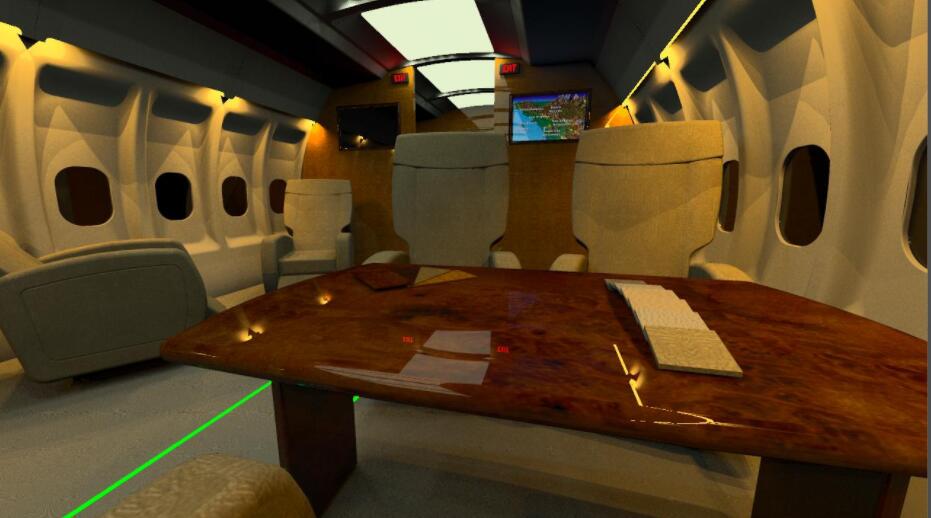
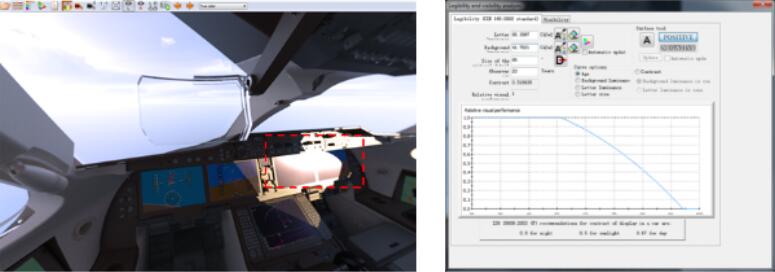
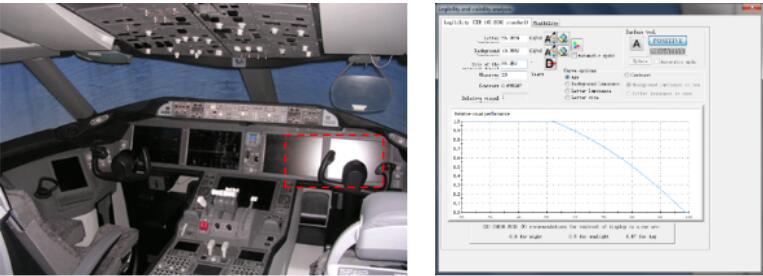
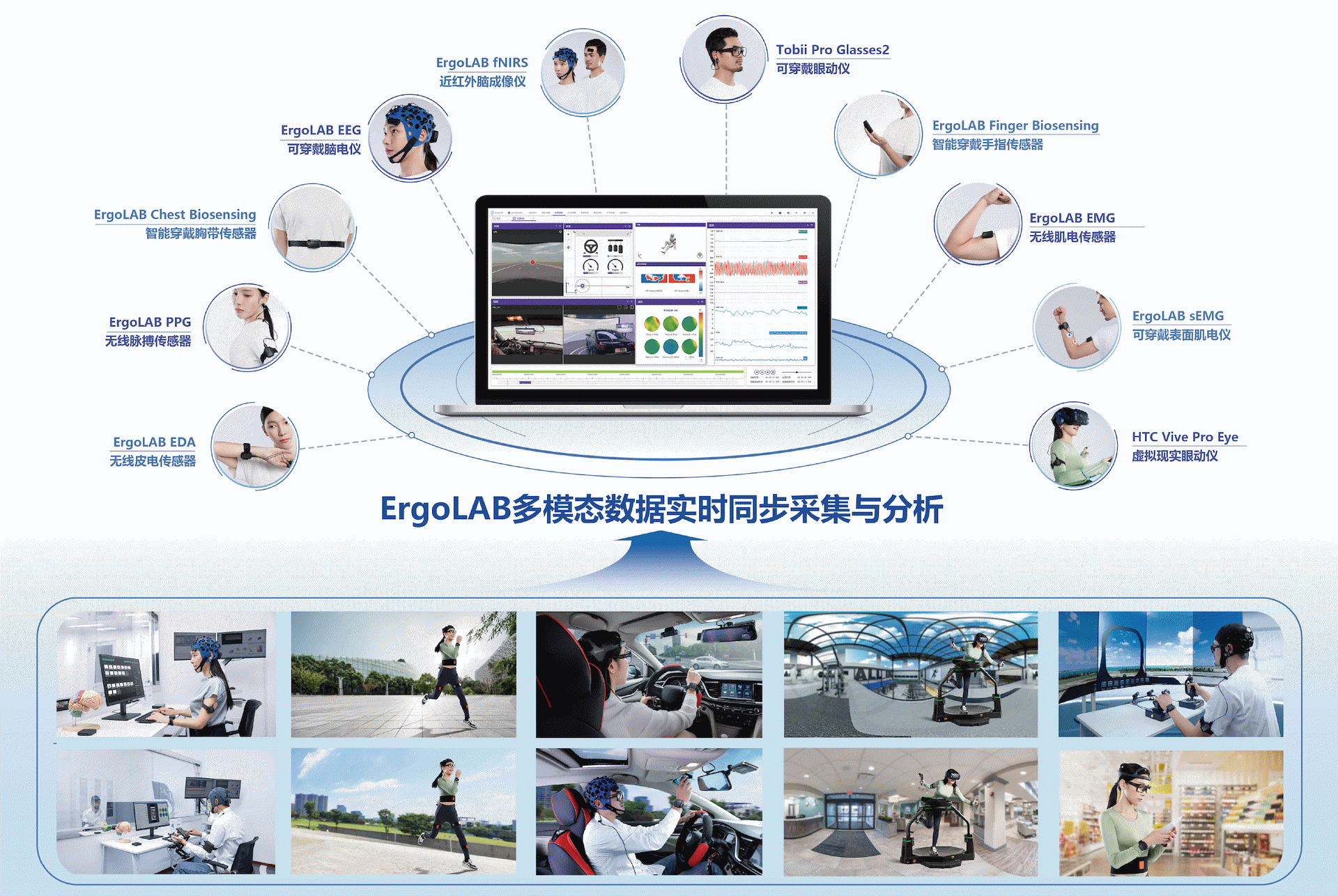
The ErgoLAB human-machine environment synchronization cloud platform can synchronously collect and comprehensively analyze multidimensional data from humans, machines, and environments, including eye tracking, physiological measurements, biomechanics, electroencephalography, brain imaging, behavior, human-computer interaction, action posture, facial expressions, subjective evaluation, spatiotemporal behavior, simulators, physical environments, etc., providing complete data indicators for scientific research and applications. The platform can complete a complete experimental and evaluation process, including project management - experimental design - synchronous acquisition - signal processing - data analysis - artificial intelligence application - visual reporting, supporting group testing based on cloud architecture technology and big data cloud management.
Similar Product Recommend