-
E-mail
827425668@qq.com
-
Phone
15155513400
-
Address
No. 20 Renhe South Road, Tianchang City, Anhui Province
Anhui Tiankang (Group) Co., Ltd
Control cables are the 'information highway' of the industrial nervous system
Date: 2025-07-27Read: 10
In the modern industrial system, from automated production lines to intelligent buildings, from energy transmission networks to rail transit systems, countless devices require precise collaborative operation. And the control cable is like an invisible "information highway", silently transmitting commands and signals behind the scenes, becoming the core link to ensure the stable operation of the system.
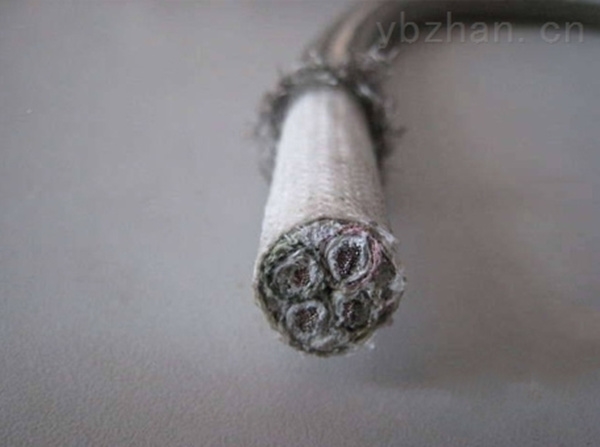
1、 Definition and core functions of control cables
Control cable is a special cable designed specifically for transmitting control signals. Its core task is to transmit low voltage (usually ≤ 50V), low current control commands or monitoring signals between equipment. Unlike the transmission of high-power electrical energy through power cables, it is like the "nervous system" of an industrial system, responsible for connecting devices such as PLCs, sensors, and actuators into an organic whole. For example, in automobile manufacturing plants, it can accurately transmit the operation instructions of welding robots from the control cabinet to the robotic arm, and provide real-time feedback on welding current, temperature and other parameters to ensure production quality.
2、 Structural characteristics: "protective armor" suitable for complex working conditions
1. Conductor design: Adopting a multi strand thin copper wire twisted structure, it not only ensures the stability of signal transmission, but also improves the flexibility of the cable, making it easy to lay in narrow spaces.
2. Insulation layer: made of materials such as polyvinyl chloride (PVC) and cross-linked polyethylene (XLPE), with a withstand voltage level of up to 300V/500V, effectively isolating signal interference.
3. Shielding layer: Key areas are equipped with aluminum foil and braided shielding structures, which can attenuate more than 90% of electromagnetic interference and ensure that signals are not distorted in strong electromagnetic environments such as frequency converters and high-voltage motors.
4. Sheath material: Choose PVC, low smoke halogen-free (LSZH) or rubber sheath according to the application scenario, which has characteristics such as oil resistance, acid and alkali resistance, and UV resistance, and can adapt to abnormal temperatures from -40 ℃ to+90 ℃.
3、 Typical application scenarios
1. Industrial automation: Connect PLC with sensors, frequency converters, and servo motors to achieve precise control of the production line.
2. Building intelligence: transmitting control signals for lighting, air conditioning, and security equipment in building automation systems.
3. Energy field: used for signal transmission of new energy equipment such as wind farm pitch systems and photovoltaic inverter monitoring.
4. Rail transit: Ensure reliable communication of key links such as train signal system and platform door control.
4、 Key selection points: The "golden rule" to avoid system failures
When selecting control cables, key considerations include transmission distance (shielded type for long distances), ambient temperature (silicone rubber sheath for high temperature scenarios), anti-interference requirements (double shielded cables near frequency converters), and certification standards (such as CE and UL certification). Proper selection can reduce the system failure rate by over 70%.
From intelligent manufacturing to smart cities, control cables are transmitting information billions of times per second, supporting the operation of modern industrial civilization. Only by understanding its characteristics and applying them scientifically can we build a solid foundation for industrial automation.