-
E-mail
2444789544@qq.com
-
Phone
18971683772
-
Address
Jinghe Road and Hechang Industrial Park, Dongxihu District, Wuhan City
Hubei Gaotian Experimental Equipment Co., Ltd
Constant temperature and humidity test chamber speed: differential analysis and selection guide
Date: 2025-11-25Read: 101
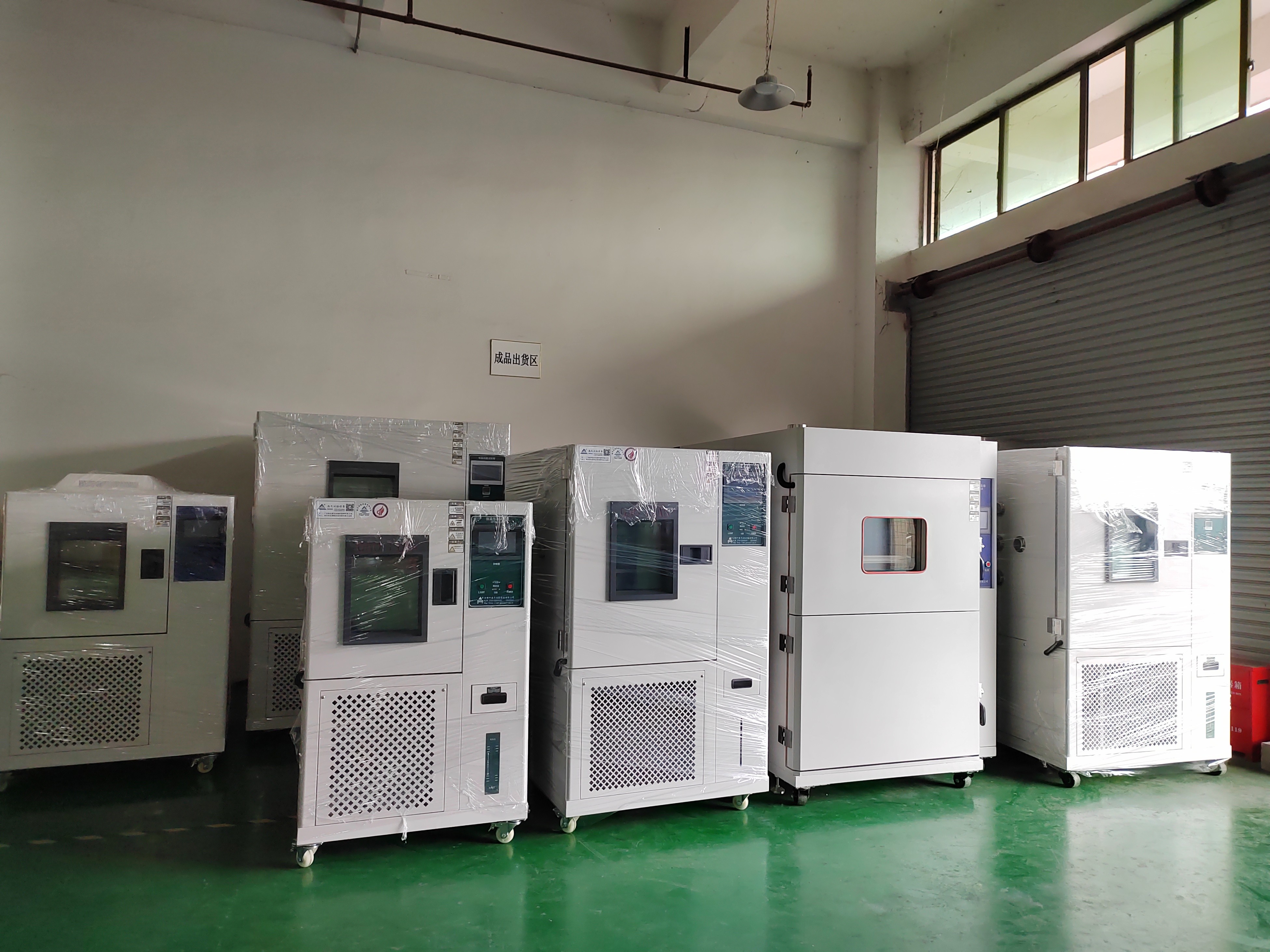
Humidity ChamberWidely used in various fields such as electronics, automotive, aerospace, etc., it is used to simulate different temperature and humidity environments and detect product performance. The rate related indicators play a key role in the experimental process, and different rates will have a significant impact on the experimental results. The following Hubei Gaotian test equipment will provide you with an in-depth analysis of the differences in speed and selection methods for constant temperature and humidity test chambers.

1、 Speed difference
1. Heating rate
Differences in different levels: The heating rate refers to the speed at which the test chamber rises from one temperature point to another, usually measured in ℃/min. The heating rate of a regular constant temperature and humidity test chamber is generally between 1-3 ℃/min. This type of test chamber is suitable for testing conventional products that do not require high heating rates, such as some ordinary plastic products, textiles, etc. The rapid heating test chamber can reach a heating rate of 5-10 ℃/min or even higher, and is mainly used for products that are sensitive to temperature changes, such as chips in electronic products. Rapid temperature changes can more effectively detect their thermal stability.
Principle difference: The ordinary heating rate test chamber relies on conventional heating wires or heating tubes for heating, and temperature rise is achieved by controlling the heating power. This method of heating is relatively slow, but the cost is low and the equipment stability is good. The rapid heating test chamber adopts a more efficient heating system, such as heating wires with increased power, advanced air duct design, and more precise temperature control system, which can provide a large amount of heat in a short period of time and achieve rapid heating. However, rapid heating requires higher equipment requirements and relatively higher costs.
2.降温速率
Different speed ranges: The cooling rate is also measured in ℃/min. The cooling rate of a regular constant temperature and humidity test chamber is generally between 1-2 ℃/min, which can meet the testing needs of most general products, such as some conventional mechanical components, simple electronic assemblies, etc. For products with special requirements, such as electronic components, aerospace materials, etc., a rapid cooling test chamber may be required, with a cooling rate of 3-5 ℃/min or even faster.
The influence of cooling method: Ordinary cooling rate test chambers usually use air-cooled cooling systems, which blow cold air into the chamber through fans to achieve cooling. This method has a relatively slow cooling rate, but good cooling uniformity, and is suitable for tests that require high temperature uniformity and not strict cooling rate requirements. Rapid cooling test chambers often use water-cooled refrigeration systems, which have higher heat dissipation efficiency and can quickly remove heat from the chamber, achieving rapid cooling. However, the water cooling system is relatively complex and requires specialized cooling water circulation devices, resulting in high equipment and maintenance costs.
3. Humidity regulation rate
Adjustment speed difference: The humidity adjustment rate reflects the speed at which the test chamber increases or decreases humidity, generally expressed in% RH/min. The test chamber with conventional humidity regulation rate may have a humidity change rate of 1-3% RH/min, which can meet the testing requirements of most products with relatively slow humidity changes, such as some ordinary daily necessities, building materials, etc. For certain products that are sensitive to humidity changes, such as optical lenses, precision instruments, etc., a high humidity adjustment rate test chamber may be required, with an adjustment rate of 5-10% RH/min or even higher.
The adjustment principle is different: the conventional humidity adjustment rate test chamber detects humidity through a dry wet bulb humidity sensor and uses humidifiers and dehumidifiers for humidity adjustment. Humidifiers generally use ultrasonic atomization or heating evaporation to increase humidity, while dehumidifiers use principles such as condensation dehumidification to reduce humidity. This adjustment method is relatively stable, but the speed is slow. The high humidity regulation rate test chamber adopts more advanced humidity regulation technology, such as using fast response humidity sensors and efficient humidification and dehumidification devices, which can regulate humidity more quickly and accurately, but the equipment price is relatively high.
2、 Selection method
1. Select based on product characteristics
Thermal sensitive products: If the product is sensitive to temperature changes, such as integrated circuits, sensors, etc. in electronic products, a test chamber with fast heating and cooling rates should be selected. Rapid temperature changes can more effectively detect the performance stability of products under sudden temperature changes and promptly identify potential issues. For example, for the testing of a new type of mobile phone chip, a rapid heating and cooling rate test chamber can simulate the temperature changes of the phone during rapid charging, long-term use, etc., to verify the reliability of the chip.
Humidity sensitive products: For products that are sensitive to humidity changes, such as paper, leather, etc., it is necessary to choose a test chamber with an appropriate humidity adjustment rate. If the product has strict requirements for humidity changes, such as photographic paper, a high humidity adjustment rate test chamber should be selected to more accurately control humidity changes and study the performance changes of the product in different humidity environments.
2. Select based on experimental standards
Industry standards stipulate that different industries have developed corresponding standards for temperature and humidity testing of products, such as the GB/T 2423 series standards for the electronics industry and the ISO 16750 standards for the automotive industry. When selecting the speed of the test chamber, it is necessary to ensure that the speed of the test chamber meets the industry standard requirements. For example, if the temperature and humidity cycling test of a product is conducted according to a certain electronic industry standard, and the standard stipulates that the heating rate should not be less than 3 ℃/min and the cooling rate should not be less than 2 ℃/min, then a test chamber that meets this rate requirement should be selected.
Special test requirements: Some tests may have special rate requirements, such as temperature shock tests, rapid humidity change tests, etc. For temperature shock testing, the test chamber needs to have rapid heating and cooling rates to simulate the situation where the product undergoes significant temperature changes in a short period of time; For rapid humidity change tests, it is required that the test chamber has a high humidity adjustment rate. When conducting such special experiments, it is necessary to select a suitable speed test chamber according to the test requirements.
3. Consider cost factors
Equipment procurement cost: Generally speaking, the higher the speed of the test chamber, the higher its technical content and manufacturing cost, and the more expensive its price. The equipment procurement cost for a test chamber with fast heating, cooling, and high humidity regulation rates may be 1.5-3 times that of a regular rate test chamber due to the use of more advanced heating, cooling, and humidity regulation technologies. Therefore, when choosing, the budget should be comprehensively considered. If the product does not have particularly high speed requirements and the testing standards allow, choosing a regular speed testing box can effectively reduce procurement costs.
Operation and maintenance costs: The fast speed test box not only has high equipment procurement costs, but also has relatively high operation and maintenance costs. Rapid heating and cooling require more energy consumption, and the operation of water-cooled refrigeration systems also requires additional cooling water circulation devices, increasing water and electricity consumption. At the same time, high-speed operation causes significant equipment wear and tear, requiring more frequent maintenance and replacement of parts, further increasing maintenance costs. When choosing, it is necessary to fully evaluate the long-term operation and maintenance costs to ensure that the selected test chamber is economically feasible.
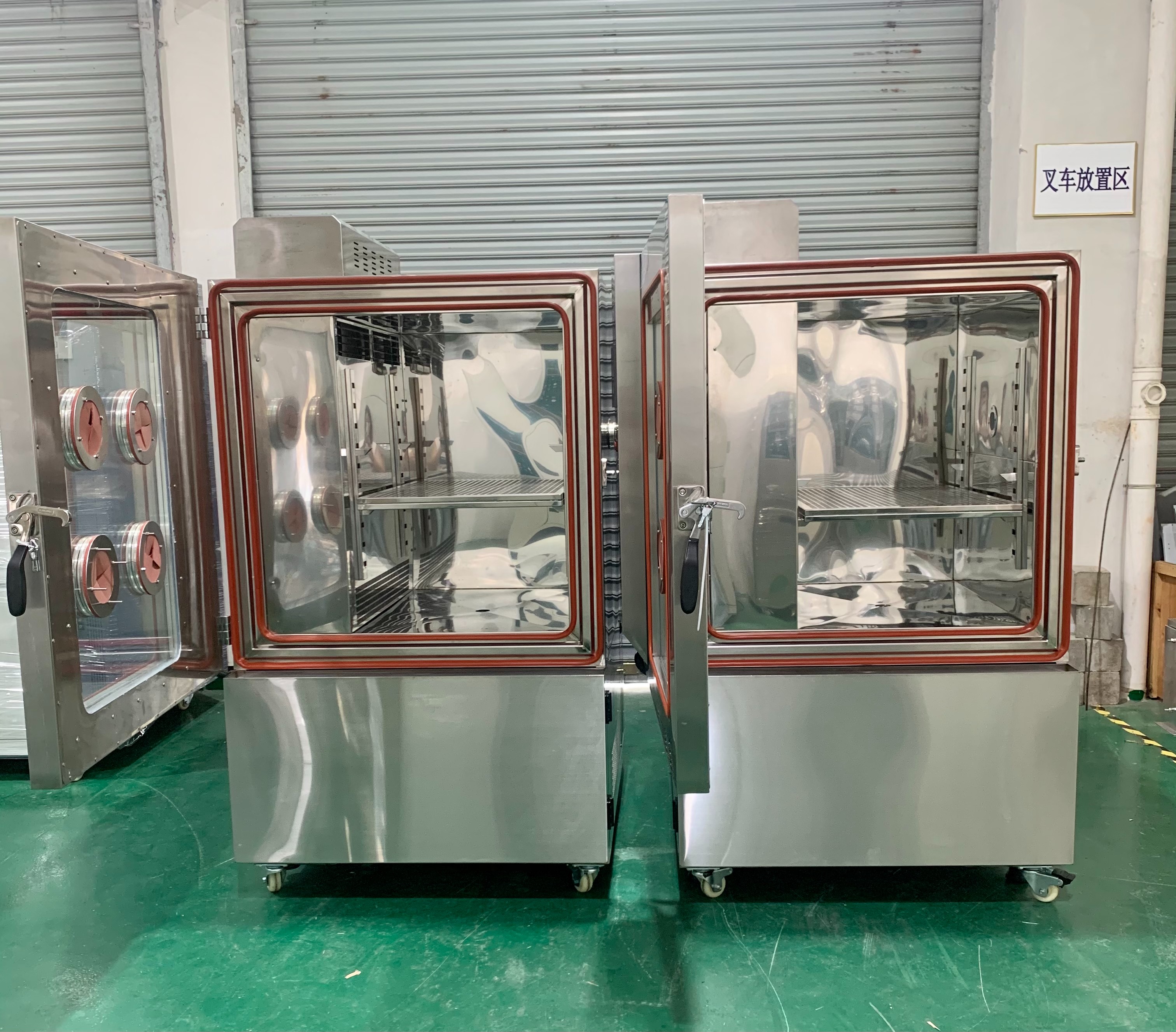
Humidity ChamberThe selection of speed requires comprehensive consideration of various factors such as product characteristics, testing standards, and costs. Only by selecting a suitable testing chamber with appropriate speed can the accuracy and reliability of the test results be ensured, and the optimization effect of economic benefits be achieved.